

How Many Seasons Are There in India
F
Discover verified facts, data, and insights about India’s states, culture, economy, education, and more — all in one place at FactBharat.
Search for a command to run...
Discover verified facts, data, and insights about India’s states, culture, economy, education, and more — all in one place at FactBharat.
No comments yet. Be the first to comment.
Moving to the USA from India is a dream for many. Whether you want to study, work, or live with family, the process can seem complex. But with the right information, you can plan your move confidently. I’ll guide you through the key steps and options...
Opening a college in India is a dream for many educators and entrepreneurs who want to contribute to the country’s education sector. If you are one of those who want to start a college, you need to understand the process clearly. It involves several ...
Opening a hospital in India is a significant and rewarding venture. If you’ve ever wondered how to start one, you’re in the right place. Whether you’re a healthcare professional, entrepreneur, or investor, understanding the process is crucial. You’ll...
Opening a medical store in India can be a rewarding business opportunity. You get to serve your community by providing essential medicines and healthcare products. If you are thinking about starting a medical store, you might wonder where to begin an...
Opening a restaurant in India can be an exciting and rewarding venture. Whether you dream of serving traditional Indian dishes or international cuisine, the process involves careful planning and understanding of local regulations. If you’re ready to ...
FactBharat | Insights About India
2558 posts
Discover verified facts, data, and insights about India’s states, culture, economy, education, and more — all in one place at FactBharat.
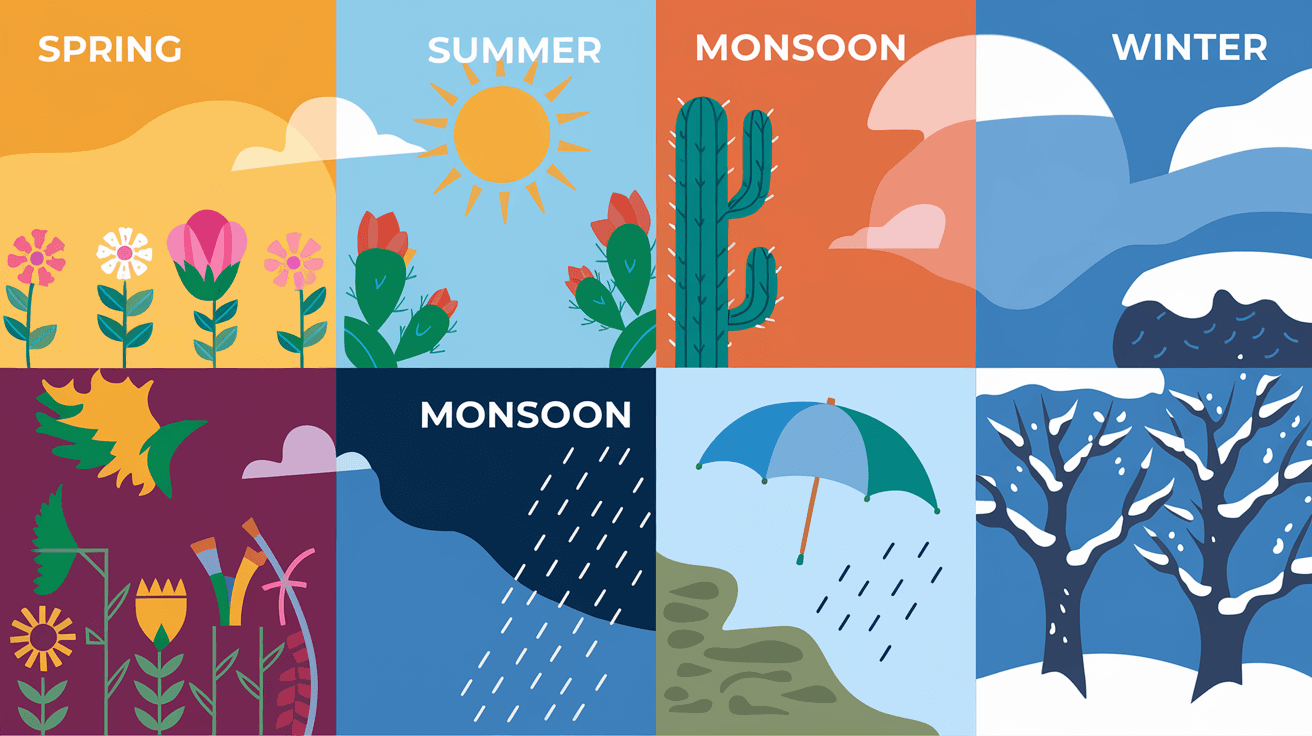
India is a vast country with diverse climates and landscapes. You might wonder, how many seasons are there in India? The answer is not as simple as you might think. Depending on where you live, the seasons can feel very different. But traditionally, India is known to have six distinct seasons.
In this article, I’ll take you through these six seasons, explaining what makes each one special. We’ll also explore how these seasons affect daily life, agriculture, and festivals across the country. By the end, you’ll have a clear understanding of India’s unique seasonal cycle.
India’s climate is traditionally divided into six seasons, known as "Ritus" in Sanskrit. These six seasons are based on ancient Indian texts and are still widely recognized today. Each season lasts about two months and has its own weather patterns and cultural significance.
Here are the six seasons:
Let’s explore each one in detail.
Spring in India usually falls between mid-February and mid-April. It is a time when nature wakes up after the cold winter months. The weather is pleasant, with moderate temperatures and blooming flowers everywhere.
Spring is often seen as a season of renewal and hope. You’ll notice birds returning and fresh fruits appearing in markets.
Summer lasts from mid-April to mid-June. It is the hottest season in most parts of India. Temperatures can soar above 40°C, especially in northern and central regions.
In some areas, the heat can be extreme, leading to water shortages and health issues. However, summer also signals the approach of the much-awaited monsoon.
Monsoon season runs from mid-June to mid-August or sometimes into September. It is marked by heavy rainfall brought by the southwest monsoon winds.
Monsoon transforms the landscape into lush green fields. It is a vital season for farmers and the economy. Many festivals and rituals are linked to the arrival of the monsoon.
Autumn spans from mid-September to mid-November. After the rains, the weather becomes clear and pleasant.
Autumn is a festive and productive time. The air feels fresh, and nature prepares for the coming winter.
Pre-winter occurs from mid-November to mid-January. It is a transition period between autumn and winter.
This season is important for harvesting certain crops like wheat. It also sets the stage for the cold winter months ahead.
Winter lasts from mid-January to mid-February. It is the coldest season in most parts of India, especially in the north.
Winter is a time for cozy clothes, warm foods, and many cultural festivals. It is also the season when many migratory birds visit India.
While the six-season model is traditional, India’s vast geography means seasons vary widely across regions. The climate in the Himalayas is very different from that in the Thar Desert or the coastal areas.
Here’s how seasons differ regionally:
| Region | Number of Seasons | Description |
| Northern Plains | 4 | Winter, Summer, Monsoon, Post-monsoon |
| Western Desert | 3 | Summer, Monsoon (light), Winter |
| Coastal Regions | 3-4 | Summer, Monsoon, Winter (mild) |
| Himalayan Region | 4-5 | Winter (long), Spring, Summer, Autumn, Monsoon |
| Northeast India | 4-6 | Similar to traditional six seasons, heavy rains |
In many parts of India, people commonly recognize four main seasons: summer, monsoon, autumn, and winter. This is often how weather forecasts and daily life are organized.
Agriculture in India is closely tied to the seasons. The timing of planting and harvesting depends on the arrival of rains and temperature changes.
Farmers rely heavily on the monsoon rains. A delayed or weak monsoon can impact food production and the economy.
Each season in India brings its own festivals and cultural events. These celebrations often mark changes in nature and agricultural cycles.
These festivals bring communities together and celebrate the bounty and beauty of each season.
Today, meteorologists and scientists often describe India’s climate in terms of four main seasons: summer, monsoon, post-monsoon (autumn), and winter. This simplification helps in weather forecasting and planning.
However, the traditional six-season calendar remains important culturally and agriculturally. Many people still follow it for farming and religious purposes.
So, how many seasons are there in India? Traditionally, there are six distinct seasons, each lasting about two months. These seasons—spring, summer, monsoon, autumn, pre-winter, and winter—shape the country’s climate, agriculture, and culture.
At the same time, regional differences mean that not everyone experiences all six seasons in the same way. Many people recognize four main seasons based on weather patterns. Understanding these seasons helps you appreciate India’s rich natural and cultural diversity.
Whether you live in the mountains, deserts, or coastal areas, the changing seasons play a big role in daily life. Now that you know about India’s seasons, you can better understand the rhythms of this incredible country.
India traditionally has six seasons: spring, summer, monsoon, autumn, pre-winter, and winter. However, many people also recognize four main seasons for practical purposes.
The monsoon season usually begins in mid-June and lasts until mid-September. It brings heavy rains essential for agriculture.
Summer, from mid-April to mid-June, is the hottest season in most parts of India, with temperatures often exceeding 40°C.
No, India’s vast geography causes seasonal variations. Some regions experience fewer or different seasons based on local climate.
Pre-winter is a transition period with cooler temperatures and dry weather. It is important for harvesting certain crops and preparing for winter.