

How Many Sanctuaries Are There in India
F
Discover verified facts, data, and insights about India’s states, culture, economy, education, and more — all in one place at FactBharat.
Search for a command to run...
Discover verified facts, data, and insights about India’s states, culture, economy, education, and more — all in one place at FactBharat.
No comments yet. Be the first to comment.
Moving to the USA from India is a dream for many. Whether you want to study, work, or live with family, the process can seem complex. But with the right information, you can plan your move confidently. I’ll guide you through the key steps and options...
Opening a college in India is a dream for many educators and entrepreneurs who want to contribute to the country’s education sector. If you are one of those who want to start a college, you need to understand the process clearly. It involves several ...
Opening a hospital in India is a significant and rewarding venture. If you’ve ever wondered how to start one, you’re in the right place. Whether you’re a healthcare professional, entrepreneur, or investor, understanding the process is crucial. You’ll...
Opening a medical store in India can be a rewarding business opportunity. You get to serve your community by providing essential medicines and healthcare products. If you are thinking about starting a medical store, you might wonder where to begin an...
Opening a restaurant in India can be an exciting and rewarding venture. Whether you dream of serving traditional Indian dishes or international cuisine, the process involves careful planning and understanding of local regulations. If you’re ready to ...
FactBharat | Insights About India
2558 posts
Discover verified facts, data, and insights about India’s states, culture, economy, education, and more — all in one place at FactBharat.
India is home to a rich variety of wildlife and natural habitats. If you love nature or want to learn about wildlife conservation, you might wonder: how many sanctuaries are there in India? These protected areas play a vital role in preserving the country's diverse flora and fauna. They offer safe spaces for animals and plants to thrive, away from human interference.
In this article, I will take you through the current number of wildlife sanctuaries in India, their significance, and how they contribute to conservation efforts. We will also explore some famous sanctuaries and what makes them unique. By the end, you’ll have a clear understanding of India’s sanctuary network and why it matters to all of us.
Wildlife sanctuaries are protected areas where animals and plants live safely. Unlike national parks, sanctuaries may allow limited human activities like grazing or tourism, but their main goal is to protect wildlife.
India’s sanctuaries cover forests, wetlands, grasslands, and mountains. Each sanctuary protects different species depending on its location and ecosystem.
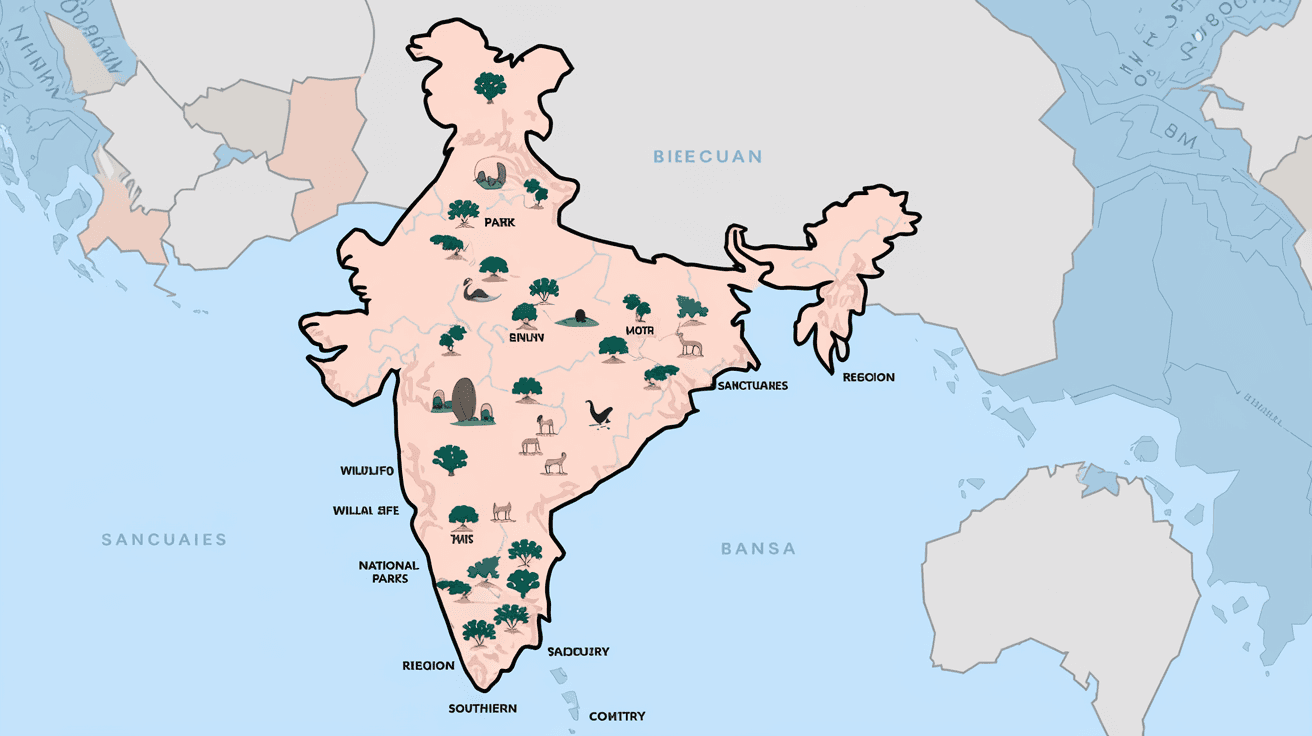
As of 2025, India has approximately 565 wildlife sanctuaries spread across its states and union territories. This number reflects the government’s ongoing efforts to expand protected areas to conserve biodiversity.
The Ministry of Environment, Forest and Climate Change (MoEFCC) regularly updates the list of protected areas. This ensures new sanctuaries are created where needed, and existing ones are managed effectively.
Sanctuaries are not evenly spread across India. Some states have more sanctuaries due to their rich biodiversity and forest cover.
Here’s a quick look at sanctuary distribution:
| State/UT | Approximate Number of Sanctuaries |
| Madhya Pradesh | 25+ |
| Maharashtra | 30+ |
| Rajasthan | 20+ |
| Karnataka | 25+ |
| Tamil Nadu | 20+ |
| Uttarakhand | 15+ |
| Assam | 15+ |
| Kerala | 15+ |
| Others | Remaining |
Sanctuaries serve many important roles in India’s environmental and social landscape.
By maintaining sanctuaries, India contributes to global biodiversity goals and combats climate change through forest conservation.
Some sanctuaries are well-known for their unique wildlife and visitor experiences. Here are a few you might want to know about:
These sanctuaries highlight India’s diverse wildlife and the different ecosystems protected across the country.
You might wonder how sanctuaries differ from national parks. Both protect wildlife, but there are key differences:
| Feature | Wildlife Sanctuary | National Park |
| Human Activities | Limited allowed (grazing, tourism) | Strictly regulated, minimal human interference |
| Legal Protection | Protected under Wildlife Protection Act | Higher level of protection |
| Size | Can be smaller or larger | Usually larger and more strictly managed |
| Conservation Focus | Protects specific species or habitats | Protects entire ecosystems |
Sanctuaries often act as buffer zones around national parks or tiger reserves, helping expand protected areas.
Despite their importance, sanctuaries face several challenges:
The government and NGOs work together to address these issues through better management, community involvement, and stricter laws.
You might want to help protect these natural treasures. Here are some ways you can contribute:
Every small action helps protect India’s wildlife for future generations.
India’s wildlife sanctuaries are crucial for protecting the country’s rich biodiversity. With around 565 sanctuaries, India offers safe homes to countless species and preserves vital ecosystems. These protected areas not only support wildlife but also benefit local communities and promote eco-tourism.
Understanding how many sanctuaries exist and their role helps us appreciate the efforts behind wildlife conservation. By visiting, supporting, or simply learning about these sanctuaries, you become part of a larger movement to protect nature. Together, we can ensure that India’s wildlife continues to thrive in its natural habitats.
India has about 565 wildlife sanctuaries spread across various states and union territories, protecting diverse species and habitats.
Sanctuaries allow limited human activities like grazing, while national parks have stricter protection with minimal human interference.
Madhya Pradesh and Maharashtra are among the states with the highest number of wildlife sanctuaries.
Yes, many sanctuaries welcome tourists with regulated activities like safaris and guided tours to promote eco-tourism.
They protect endangered species, preserve habitats, support research, and help maintain ecological balance in the environment.