

How Many Rivers in Punjab India
F
Discover verified facts, data, and insights about India’s states, culture, economy, education, and more — all in one place at FactBharat.
Search for a command to run...
Discover verified facts, data, and insights about India’s states, culture, economy, education, and more — all in one place at FactBharat.
No comments yet. Be the first to comment.
Moving to the USA from India is a dream for many. Whether you want to study, work, or live with family, the process can seem complex. But with the right information, you can plan your move confidently. I’ll guide you through the key steps and options...
Opening a college in India is a dream for many educators and entrepreneurs who want to contribute to the country’s education sector. If you are one of those who want to start a college, you need to understand the process clearly. It involves several ...
Opening a hospital in India is a significant and rewarding venture. If you’ve ever wondered how to start one, you’re in the right place. Whether you’re a healthcare professional, entrepreneur, or investor, understanding the process is crucial. You’ll...
Opening a medical store in India can be a rewarding business opportunity. You get to serve your community by providing essential medicines and healthcare products. If you are thinking about starting a medical store, you might wonder where to begin an...
Opening a restaurant in India can be an exciting and rewarding venture. Whether you dream of serving traditional Indian dishes or international cuisine, the process involves careful planning and understanding of local regulations. If you’re ready to ...
FactBharat | Insights About India
2558 posts
Discover verified facts, data, and insights about India’s states, culture, economy, education, and more — all in one place at FactBharat.
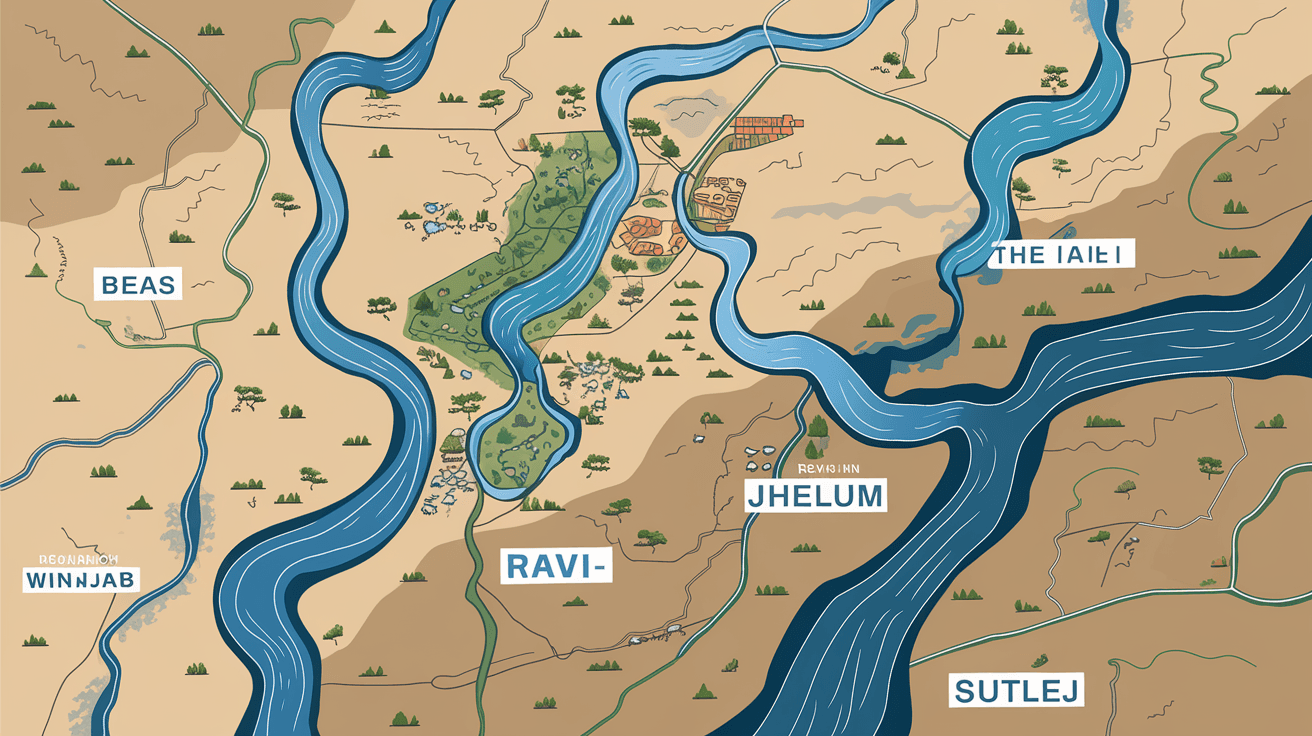
Punjab, India, is famously known as the "Land of Five Rivers." If you've ever wondered how many rivers flow through this vibrant state, you're in the right place. The rivers here are not just water bodies; they shape the culture, agriculture, and history of Punjab. Understanding these rivers helps you appreciate the region's natural beauty and its vital role in supporting millions of people.
In this article, I will guide you through the main rivers of Punjab, their origins, and their significance. You will also learn about the river systems, their impact on farming, and how they contribute to Punjab's identity. Let's dive into the fascinating world of Punjab's rivers and see why they are so important.
Punjab literally means "Land of Five Rivers." These five rivers are the backbone of the region's geography and economy. The five rivers are:
These rivers originate from the Himalayas and flow through Punjab before joining the Indus River system. Each river has its own unique path and significance.
The Sutlej is the longest of the five rivers. It starts from Lake Rakshastal in Tibet and enters Punjab from the north. The river flows through the southern part of Punjab and is crucial for irrigation.
The Beas River originates from the Himalayas in Himachal Pradesh and flows through central Punjab. It merges with the Sutlej near Harike.
The Ravi River also starts in the Himalayas and flows through the northern part of Punjab. It crosses into Pakistan after flowing through the Indian Punjab.
Chenab originates from the confluence of two rivers in Himachal Pradesh and flows through Jammu before entering Punjab. It is one of the major tributaries of the Indus.
The Jhelum River begins from a spring at Verinag in Kashmir and flows through the Kashmir Valley before entering Punjab.
Besides the five main rivers, Punjab has several smaller rivers and tributaries that contribute to the water system. These include:
These smaller rivers support local agriculture and help maintain the ecological balance.
Punjab is known as the "Granary of India" because of its rich agricultural output. The rivers play a vital role in this success. Here’s how:
Punjab’s canal system, built around these rivers, is one of the largest in the world. It ensures water reaches even the driest parts of the state.
The rivers of Punjab are not just physical features; they hold deep cultural and historical importance.
The rivers have inspired poets, artists, and musicians, making them an integral part of Punjab’s identity.
Despite their importance, Punjab’s rivers face several environmental challenges:
Efforts are underway to clean and conserve these rivers, but more awareness and action are needed.
Punjab’s landscape is largely shaped by its rivers. The alluvial plains formed by river deposits make the soil fertile. The rivers also create natural boundaries and influence settlement patterns.
Understanding this geography helps you see why Punjab developed as an agricultural powerhouse.
| River | Origin | Length (km) | Major Cities | Importance |
| Sutlej | Lake Rakshastal | 1,450 | Ludhiana, Ferozepur | Irrigation, Hydroelectricity |
| Beas | Himalayas | 470 | Amritsar, Kapurthala | Fertile lands, agriculture |
| Ravi | Himalayas | 720 | Pathankot, Gurdaspur | Irrigation, drinking water |
| Chenab | Himachal Pradesh | 960 | Jammu | Agriculture, hydroelectricity |
| Jhelum | Kashmir Valley | 725 | Kashmir Valley | Irrigation, power generation |
Now you know that Punjab, India, is home to five major rivers: Sutlej, Beas, Ravi, Chenab, and Jhelum. These rivers are the lifelines of the state, supporting its agriculture, culture, and economy. They have shaped Punjab’s identity as a fertile and vibrant land.
Understanding these rivers helps you appreciate Punjab’s natural resources and the challenges it faces. Protecting these rivers is essential for the future of the region and its people. So next time you hear about Punjab, remember the five rivers that make it truly special.
Punjab has five main rivers: Sutlej, Beas, Ravi, Chenab, and Jhelum. These rivers form the backbone of the state's water system.
The name Punjab means "Land of Five Rivers," referring to the five major rivers that flow through the region, shaping its geography and culture.
No, some rivers like Chenab and Jhelum flow through both India and Pakistan, while others mainly flow within Indian Punjab.
The rivers provide essential water for irrigation, supporting Punjab’s status as a major agricultural producer in India.
Yes, pollution, overuse of water, and climate change are significant challenges affecting the health of Punjab’s rivers.