

How Many Rice Varieties in India
F
Discover verified facts, data, and insights about India’s states, culture, economy, education, and more — all in one place at FactBharat.
Search for a command to run...
Discover verified facts, data, and insights about India’s states, culture, economy, education, and more — all in one place at FactBharat.
No comments yet. Be the first to comment.
Moving to the USA from India is a dream for many. Whether you want to study, work, or live with family, the process can seem complex. But with the right information, you can plan your move confidently. I’ll guide you through the key steps and options...
Opening a college in India is a dream for many educators and entrepreneurs who want to contribute to the country’s education sector. If you are one of those who want to start a college, you need to understand the process clearly. It involves several ...
Opening a hospital in India is a significant and rewarding venture. If you’ve ever wondered how to start one, you’re in the right place. Whether you’re a healthcare professional, entrepreneur, or investor, understanding the process is crucial. You’ll...
Opening a medical store in India can be a rewarding business opportunity. You get to serve your community by providing essential medicines and healthcare products. If you are thinking about starting a medical store, you might wonder where to begin an...
Opening a restaurant in India can be an exciting and rewarding venture. Whether you dream of serving traditional Indian dishes or international cuisine, the process involves careful planning and understanding of local regulations. If you’re ready to ...
FactBharat | Insights About India
2558 posts
Discover verified facts, data, and insights about India’s states, culture, economy, education, and more — all in one place at FactBharat.
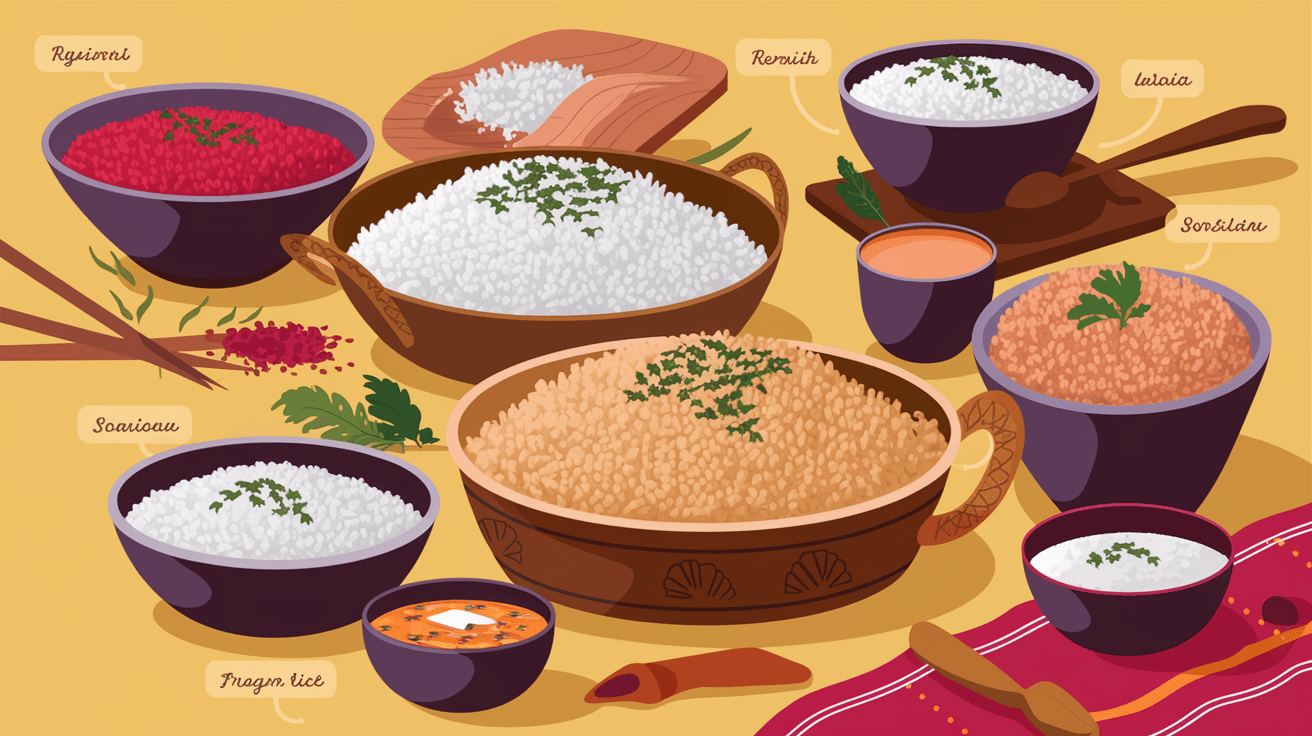
India is one of the largest producers and consumers of rice in the world. If you love rice, you might wonder just how many types of rice grow in this vast country. You’re not alone. India’s rice diversity is truly impressive, with thousands of varieties cultivated across different regions. This variety reflects the country’s rich agricultural heritage and the different climates and soils found here.
In this article, I’ll take you through the fascinating world of Indian rice varieties. We’ll explore how many types exist, what makes them unique, and why this diversity matters. Whether you’re a foodie, a farmer, or just curious, you’ll find plenty of interesting facts about rice in India.
India is home to over 100,000 rice varieties, according to the National Bureau of Plant Genetic Resources (NBPGR). This number includes both traditional landraces and modern improved varieties. The diversity is one of the highest in the world, making India a global hotspot for rice cultivation.
This vast number reflects the different agro-climatic zones in India, from the Himalayan foothills to the coastal plains. Each region has rice varieties suited to its environment.
Rice in India can be broadly classified based on grain size, aroma, and cooking qualities. Here are the main types:
Basmati is perhaps the most famous Indian rice variety globally. Known for its long grains and fragrant aroma, it is mainly grown in the northern states like Punjab, Haryana, and Uttarakhand.
This category includes many varieties grown across India, especially in eastern and southern states. Non-basmati rice grains are shorter and less aromatic but are staple food for millions.
Besides basmati, India has many other aromatic rice types. These are prized for their fragrance and taste.
Some regions grow sticky rice varieties used in special dishes and rituals.
India’s rice diversity is closely linked to its geography. Different states have their own unique varieties adapted to local conditions.
| Region | Notable Rice Varieties | Characteristics |
| Punjab & Haryana | Basmati | Long grain, aromatic |
| West Bengal | Gobindobhog, Kataribhog | Aromatic, short grain |
| Tamil Nadu | Ponni, Sona Masuri | Medium grain, non-aromatic |
| Assam & NE | Joha, Sticky rice varieties | Aromatic, sticky |
| Odisha | Kalajeera, Sona Masuri | Aromatic, medium grain |
| Maharashtra | Ambemohar | Aromatic, short grain |
Each region’s rice reflects local tastes, traditions, and farming practices. For example, the sticky rice varieties in the northeast are essential for cultural festivals.
The large number of rice varieties in India is not just a matter of taste or tradition. It has important implications for food security and agriculture.
With modernization, many traditional rice varieties face the risk of extinction. However, several initiatives aim to conserve and promote this diversity.
These efforts help maintain India’s rich rice heritage and support sustainable agriculture.
Here are some well-known rice varieties from different parts of India:
Each variety has unique cooking properties and flavors, making Indian cuisine diverse and rich.
If you want to try Indian rice varieties, consider these factors:
Trying different types can enhance your cooking and introduce you to new flavors.
India’s rice diversity is truly remarkable, with over 100,000 varieties grown across its many regions. This variety reflects the country’s diverse climates, cultures, and culinary traditions. From the fragrant basmati of the north to the sticky rice of the northeast, each type has its own story and use.
Understanding this diversity helps us appreciate the importance of preserving traditional varieties for future generations. Whether you’re cooking a special meal or interested in agriculture, India’s rice varieties offer a fascinating glimpse into the country’s rich heritage.
India grows over 100,000 rice varieties, including traditional landraces and improved types adapted to different regions and climates.
Basmati rice is the most famous Indian rice variety, known worldwide for its long grains and aromatic flavor.
Rice diversity helps farmers adapt to different climates, resist pests, and preserve cultural traditions, ensuring food security and sustainability.
Yes, India has many aromatic rice types like Gobindobhog, Jeerakasala, and Ambemohar, each with unique fragrances and flavors.
India preserves rice diversity through seed banks, research, geographical indications, and farmer awareness programs promoting traditional varieties.