

How Many Regulatory Bodies in India
F
Discover verified facts, data, and insights about India’s states, culture, economy, education, and more — all in one place at FactBharat.
Search for a command to run...
Discover verified facts, data, and insights about India’s states, culture, economy, education, and more — all in one place at FactBharat.
No comments yet. Be the first to comment.
Moving to the USA from India is a dream for many. Whether you want to study, work, or live with family, the process can seem complex. But with the right information, you can plan your move confidently. I’ll guide you through the key steps and options...
Opening a college in India is a dream for many educators and entrepreneurs who want to contribute to the country’s education sector. If you are one of those who want to start a college, you need to understand the process clearly. It involves several ...
Opening a hospital in India is a significant and rewarding venture. If you’ve ever wondered how to start one, you’re in the right place. Whether you’re a healthcare professional, entrepreneur, or investor, understanding the process is crucial. You’ll...
Opening a medical store in India can be a rewarding business opportunity. You get to serve your community by providing essential medicines and healthcare products. If you are thinking about starting a medical store, you might wonder where to begin an...
Opening a restaurant in India can be an exciting and rewarding venture. Whether you dream of serving traditional Indian dishes or international cuisine, the process involves careful planning and understanding of local regulations. If you’re ready to ...
FactBharat | Insights About India
2558 posts
Discover verified facts, data, and insights about India’s states, culture, economy, education, and more — all in one place at FactBharat.
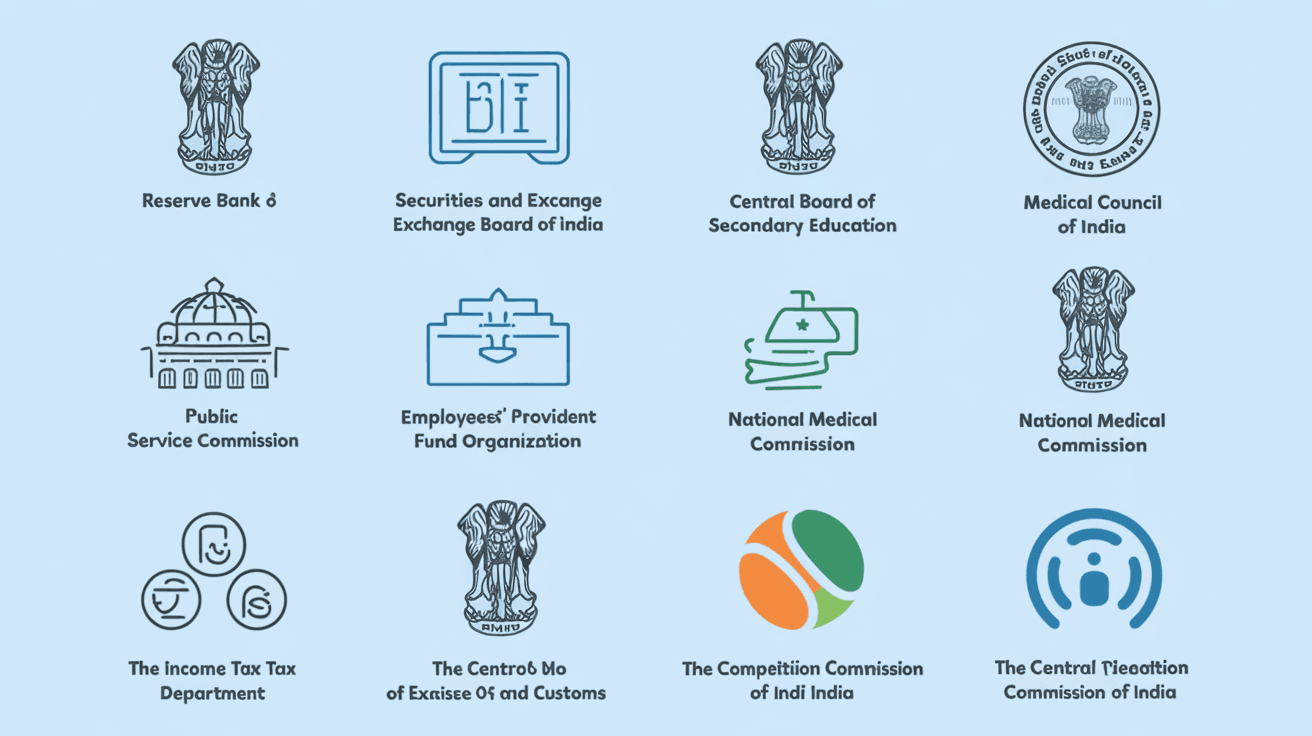
Understanding how many regulatory bodies exist in India can feel overwhelming. You might wonder why there are so many and what roles they play. India’s vast economy and diverse sectors require multiple regulators to ensure smooth functioning, protect consumers, and maintain fair practices. In this article, I’ll walk you through the key regulatory bodies in India, their functions, and why they matter to you.
Whether you are a business owner, investor, or just curious, knowing about these regulators helps you understand how India manages its complex markets. Let’s explore the major regulatory authorities and how they keep the country’s economy and society in balance.
Regulatory bodies are organizations set up by the government to oversee specific industries or sectors. Their main job is to enforce laws, set standards, and protect public interest. In India, these bodies cover everything from finance and telecommunications to food safety and environmental protection.
Here’s why regulatory bodies are important:
India’s regulatory framework is designed to support its growing economy and diverse population. The number of regulatory bodies reflects the complexity of managing different sectors effectively.
India has over 50 major regulatory bodies, each responsible for a specific sector or function. These include financial regulators, sector-specific authorities, and independent commissions. The exact number can vary as new bodies are created or merged, but the key ones are well-established.
Here’s a breakdown of some of the most important regulatory bodies in India:
| Sector | Regulatory Body | Role Summary |
| Finance | Reserve Bank of India (RBI) | Regulates banking and monetary policy |
| Securities | Securities and Exchange Board of India (SEBI) | Oversees stock markets and investor protection |
| Insurance | Insurance Regulatory and Development Authority (IRDAI) | Regulates insurance companies and policies |
| Telecom | Telecom Regulatory Authority of India (TRAI) | Regulates telecom services and tariffs |
| Food Safety | Food Safety and Standards Authority of India (FSSAI) | Ensures food quality and safety standards |
| Environment | Central Pollution Control Board (CPCB) | Monitors pollution and environmental laws |
| Competition | Competition Commission of India (CCI) | Prevents anti-competitive practices |
| Electricity | Central Electricity Regulatory Commission (CERC) | Regulates electricity tariffs and distribution |
| Pharmaceuticals | Central Drugs Standard Control Organization (CDSCO) | Regulates drugs and medical devices |
This list is not exhaustive but highlights the diversity of regulatory bodies in India.
The financial sector has some of the most influential regulators. They ensure the stability of the economy and protect investors and consumers.
The RBI is India’s central bank. It controls monetary policy, issues currency, and regulates banks. It also manages inflation and foreign exchange reserves. The RBI plays a crucial role in maintaining economic stability.
SEBI regulates the securities market. It protects investors by enforcing transparency and preventing fraud. SEBI also oversees stock exchanges, mutual funds, and brokers.
IRDAI supervises the insurance industry. It ensures that insurance companies follow rules and provide fair services to policyholders. IRDAI promotes growth and protects consumer interests.
Apart from finance, India has regulators for many other sectors. These bodies ensure sector-specific rules are followed and public interests are safeguarded.
TRAI regulates telecom services, including pricing and quality. It promotes competition and protects consumer rights in the telecom sector.
FSSAI sets standards for food products and monitors food safety. It ensures that food sold in India is safe and hygienic.
CPCB monitors pollution levels and enforces environmental laws. It works to reduce air, water, and soil pollution across the country.
CCI prevents monopolies and promotes fair competition. It investigates anti-competitive practices and enforces competition laws.
CERC regulates electricity tariffs and distribution. It ensures fair pricing and promotes efficient electricity markets.
CDSCO regulates pharmaceuticals and medical devices. It approves new drugs and monitors their safety and efficacy.
India’s economy is large and diverse, with many sectors requiring specialized oversight. Different industries have unique challenges and risks, so a one-size-fits-all regulator would not work effectively.
Here are some reasons for multiple regulatory bodies:
Having multiple regulators helps India manage its growth while ensuring fairness and safety.
You might not interact with regulatory bodies directly, but their work affects your daily life in many ways:
Understanding these regulators helps you appreciate the systems that protect your interests.
Despite their importance, regulatory bodies in India face several challenges:
Addressing these challenges is key to improving India’s regulatory environment.
India continues to evolve its regulatory framework to keep pace with economic growth and innovation.
These changes show India’s commitment to a robust and modern regulatory system.
If you want to keep track of regulatory updates, here are some tips:
Staying informed helps you adapt to new rules and protect your interests.
India has a large and diverse set of regulatory bodies, numbering over 50 major authorities. These regulators cover sectors like finance, telecom, food safety, environment, and more. Each body plays a vital role in maintaining order, protecting consumers, and promoting fair business practices.
Understanding how many regulatory bodies exist and what they do helps you appreciate the complex system that supports India’s economy and society. While challenges remain, ongoing reforms and modernization efforts aim to make regulation more effective. Whether you are a consumer, investor, or business owner, knowing about these regulators empowers you to navigate India’s markets confidently.
India has over 50 major regulatory bodies, each overseeing different sectors such as finance, telecom, food safety, and environment.
The RBI manages monetary policy, regulates banks, controls inflation, and ensures financial stability in India.
The Securities and Exchange Board of India (SEBI) regulates the stock market and protects investors.
India’s diverse economy and sectors require specialized regulators to address unique challenges and protect consumers effectively.
You can follow official regulator websites, subscribe to newsletters, use news apps, and join industry forums to stay informed.