

How Many Regional Parties Are There in India
F
Discover verified facts, data, and insights about India’s states, culture, economy, education, and more — all in one place at FactBharat.
Search for a command to run...
Discover verified facts, data, and insights about India’s states, culture, economy, education, and more — all in one place at FactBharat.
No comments yet. Be the first to comment.
Moving to the USA from India is a dream for many. Whether you want to study, work, or live with family, the process can seem complex. But with the right information, you can plan your move confidently. I’ll guide you through the key steps and options...
Opening a college in India is a dream for many educators and entrepreneurs who want to contribute to the country’s education sector. If you are one of those who want to start a college, you need to understand the process clearly. It involves several ...
Opening a hospital in India is a significant and rewarding venture. If you’ve ever wondered how to start one, you’re in the right place. Whether you’re a healthcare professional, entrepreneur, or investor, understanding the process is crucial. You’ll...
Opening a medical store in India can be a rewarding business opportunity. You get to serve your community by providing essential medicines and healthcare products. If you are thinking about starting a medical store, you might wonder where to begin an...
Opening a restaurant in India can be an exciting and rewarding venture. Whether you dream of serving traditional Indian dishes or international cuisine, the process involves careful planning and understanding of local regulations. If you’re ready to ...
FactBharat | Insights About India
2558 posts
Discover verified facts, data, and insights about India’s states, culture, economy, education, and more — all in one place at FactBharat.
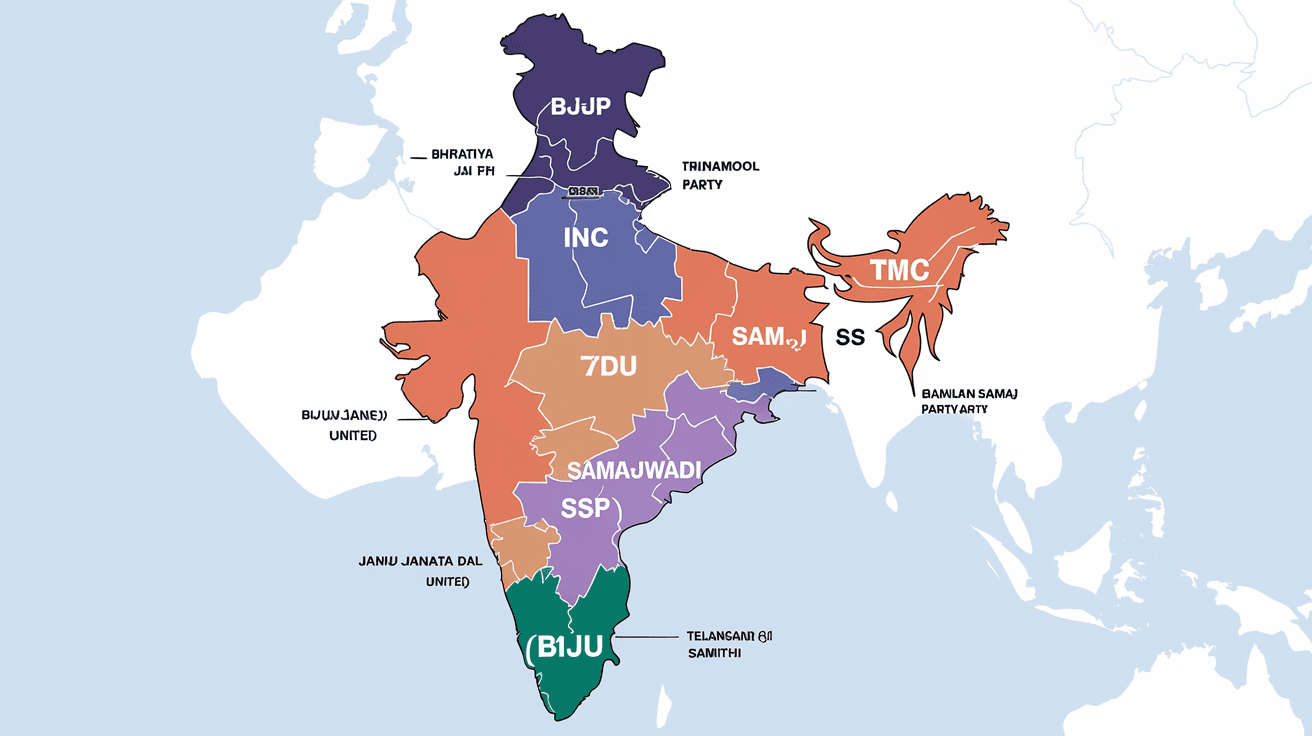
India's political landscape is vast and diverse, with a mix of national and regional parties shaping the country's governance. If you've ever wondered how many regional parties are there in India, you're not alone. Understanding these parties is key to grasping the dynamics of Indian democracy.
In this article, we'll explore the number of regional parties, their significance, and how they influence both state and national politics. You'll get a clear picture of why regional parties matter and how they differ from national parties in India.
Regional parties are political parties that operate primarily within one or a few states rather than across the entire country. They focus on local issues, culture, language, and regional identity, often representing specific communities or interests.
Unlike national parties, which have a presence in multiple states and address nationwide concerns, regional parties concentrate on state-level governance and policies. Their influence can be strong in their home states, sometimes even forming the government.
As of 2025, India has over 50 recognized regional parties. The Election Commission of India classifies political parties into national and state parties based on their electoral performance and presence.
| Party Type | Criteria | Approximate Number |
| National Parties | Recognized in multiple states with vote share | 8 |
| State Parties | Recognized in one or more states | 50+ |
Among these, more than 50 are state-recognized parties, commonly referred to as regional parties. These parties have official recognition in their respective states and contest elections primarily there.
These parties have significant influence in their states and sometimes impact national politics through alliances.
Regional parties play a vital role in India's democracy. They bring local issues to the forefront and ensure that diverse voices are heard in the political process.
Regional parties have shaped many coalition governments at the center. For example, the United Progressive Alliance (UPA) and the National Democratic Alliance (NDA) have included several regional parties to form stable governments.
The main difference lies in their scope and reach. National parties have a pan-India presence, while regional parties focus on specific states or regions.
| Aspect | National Parties | Regional Parties |
| Geographic Reach | Multiple states across India | One or few states |
| Issues Focus | National and international | State and local issues |
| Voter Base | Diverse across the country | Concentrated in specific regions |
| Election Symbol | Recognized nationally | Recognized within states |
| Influence | Form governments at center | Form governments in states |
National parties like the BJP and Congress aim for broader appeal, while regional parties cater to localized aspirations.
While regional parties have strong local support, they face several challenges:
Despite these challenges, many regional parties have thrived by staying connected to their voter base.
The trend suggests that regional parties will continue to play a crucial role in Indian politics. With increasing regional aspirations and identity politics, their importance is growing.
Understanding how many regional parties are there in India helps you appreciate the country's political diversity. With over 50 recognized regional parties, these groups play a vital role in representing local interests and shaping governance.
Regional parties bring balance to Indian democracy by focusing on state-specific issues and influencing national politics through coalitions. As India continues to evolve, regional parties will remain key players in its vibrant political landscape.
There are over 50 regional parties officially recognized by the Election Commission of India, each primarily active in one or more states.
National parties have a presence across multiple states, while regional parties focus on specific states or regions and local issues.
Regional parties rarely form the central government alone but often play a crucial role in coalition governments.
They emerge to represent local identities, languages, and issues that national parties may overlook.
Yes, regional parties are gaining influence due to increasing regional aspirations and the need for coalition politics at the national level.