

How Many Railway Stations Are There in India
F
Discover verified facts, data, and insights about India’s states, culture, economy, education, and more — all in one place at FactBharat.
Search for a command to run...
Discover verified facts, data, and insights about India’s states, culture, economy, education, and more — all in one place at FactBharat.
No comments yet. Be the first to comment.
Moving to the USA from India is a dream for many. Whether you want to study, work, or live with family, the process can seem complex. But with the right information, you can plan your move confidently. I’ll guide you through the key steps and options...
Opening a college in India is a dream for many educators and entrepreneurs who want to contribute to the country’s education sector. If you are one of those who want to start a college, you need to understand the process clearly. It involves several ...
Opening a hospital in India is a significant and rewarding venture. If you’ve ever wondered how to start one, you’re in the right place. Whether you’re a healthcare professional, entrepreneur, or investor, understanding the process is crucial. You’ll...
Opening a medical store in India can be a rewarding business opportunity. You get to serve your community by providing essential medicines and healthcare products. If you are thinking about starting a medical store, you might wonder where to begin an...
Opening a restaurant in India can be an exciting and rewarding venture. Whether you dream of serving traditional Indian dishes or international cuisine, the process involves careful planning and understanding of local regulations. If you’re ready to ...
FactBharat | Insights About India
2558 posts
Discover verified facts, data, and insights about India’s states, culture, economy, education, and more — all in one place at FactBharat.
India's railway network is one of the largest and busiest in the world. If you've ever wondered how many railway stations there are in India, you're not alone. The vastness of the network reflects the country's size and diversity, connecting millions of people every day. Understanding the number of stations helps you appreciate how railways serve as a lifeline for the nation.
In this article, I will walk you through the current count of railway stations in India, their types, and how they are spread across the country. You'll also learn about the role these stations play in daily life and the ongoing developments in Indian Railways. Let's dive into the fascinating world of India's railway stations.
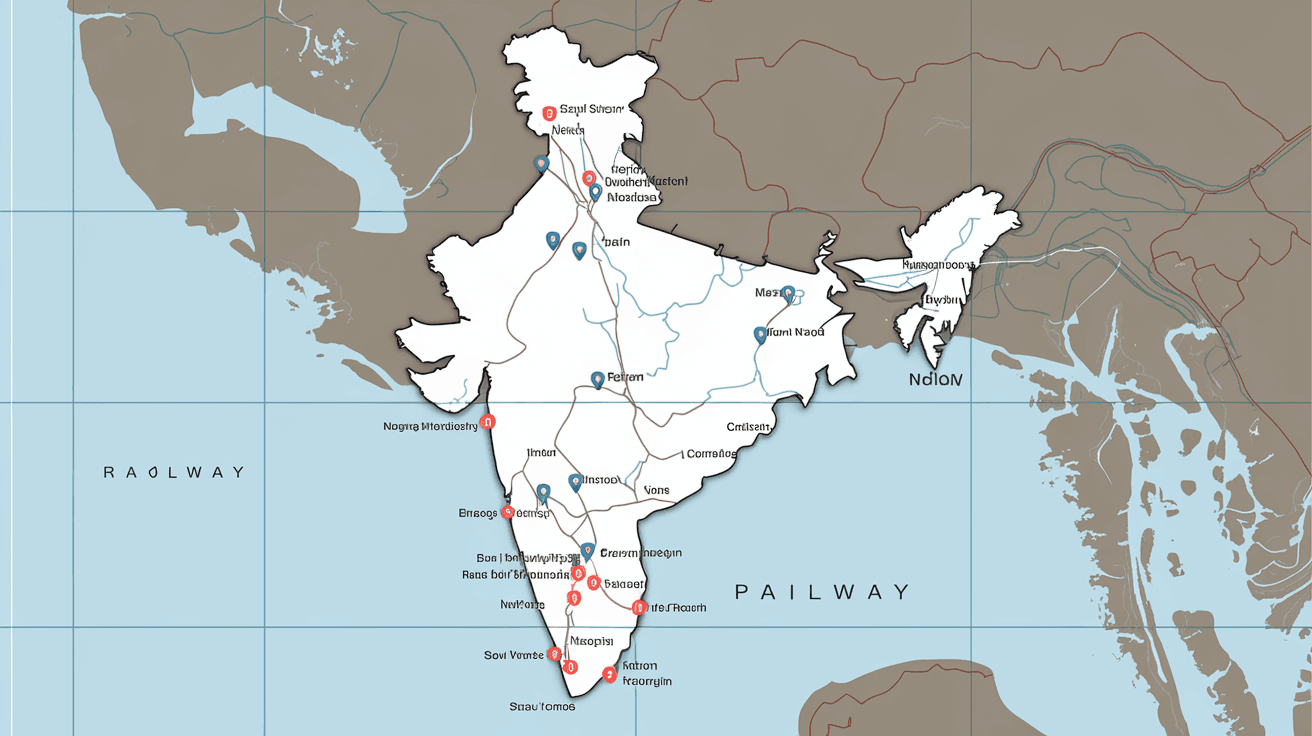
India boasts one of the largest railway networks globally, and the number of railway stations is a testament to this scale. As of 2025, there are approximately 8,300 railway stations across the country. This number includes all types of stations, from major junctions to small halts in rural areas.
These stations are spread over 68,000 kilometers of track, making Indian Railways the fourth-largest railway network in the world. The stations vary widely in size and facilities, catering to different passenger needs.
Railway stations in India are categorized based on their size, passenger earnings, and strategic importance. Here are the main types:
Each category has different levels of amenities and services, reflecting the volume of passengers and revenue generated.
The distribution of railway stations is uneven, reflecting India's geography and population density. Some states have a dense network of stations, while others have fewer due to terrain or lower population.
This distribution highlights how railways adapt to local conditions while aiming to connect as many people as possible.
Railway stations are more than just transit points. They are hubs of economic activity and social interaction. Here’s why they matter:
For many Indians, the railway station is a gateway to opportunity and a symbol of progress.
Indian Railways has been modernizing its stations to improve passenger experience. Some key initiatives include:
These efforts aim to make railway travel safer, more comfortable, and efficient.
India’s railway stations are unique in their scale and diversity. Compared to other countries:
India’s stations serve a massive population with varying needs, making them complex and vital infrastructure.
Despite progress, Indian railway stations face several challenges:
Addressing these challenges is crucial for sustaining the network’s growth.
The future looks promising for Indian railway stations. Plans include:
These developments will transform how Indians experience rail travel.
You now know that India has around 8,300 railway stations, making it one of the largest networks worldwide. These stations vary from bustling urban hubs to small rural stops, reflecting the country's diversity. They play a crucial role in connecting people, driving economic growth, and fostering cultural exchange.
Indian Railways continues to invest in upgrading and modernizing stations to meet future demands. While challenges remain, the ongoing efforts promise a more efficient, comfortable, and sustainable railway system. Whether you travel daily or occasionally, these stations are the backbone of India’s transport landscape.
India has approximately 8,300 railway stations spread across its vast network.
Uttar Pradesh has the highest number of railway stations, with over 1,200 stations.
Stations are categorized as A1, A, B, C, D, E, and F based on passenger earnings and importance.
Yes, many stations are undergoing redevelopment with improved facilities, digital services, and better accessibility.
India has more stations than many countries, serving a larger population, but faces unique challenges due to scale and diversity.