

How Many Railway Divisions in India
F
Discover verified facts, data, and insights about India’s states, culture, economy, education, and more — all in one place at FactBharat.
Search for a command to run...
Discover verified facts, data, and insights about India’s states, culture, economy, education, and more — all in one place at FactBharat.
No comments yet. Be the first to comment.
Moving to the USA from India is a dream for many. Whether you want to study, work, or live with family, the process can seem complex. But with the right information, you can plan your move confidently. I’ll guide you through the key steps and options...
Opening a college in India is a dream for many educators and entrepreneurs who want to contribute to the country’s education sector. If you are one of those who want to start a college, you need to understand the process clearly. It involves several ...
Opening a hospital in India is a significant and rewarding venture. If you’ve ever wondered how to start one, you’re in the right place. Whether you’re a healthcare professional, entrepreneur, or investor, understanding the process is crucial. You’ll...
Opening a medical store in India can be a rewarding business opportunity. You get to serve your community by providing essential medicines and healthcare products. If you are thinking about starting a medical store, you might wonder where to begin an...
Opening a restaurant in India can be an exciting and rewarding venture. Whether you dream of serving traditional Indian dishes or international cuisine, the process involves careful planning and understanding of local regulations. If you’re ready to ...
FactBharat | Insights About India
2558 posts
Discover verified facts, data, and insights about India’s states, culture, economy, education, and more — all in one place at FactBharat.
India's railway system is one of the largest and busiest in the world. If you've ever wondered how such a vast network is managed, the answer lies in its division into smaller administrative units called railway divisions. Understanding how many railway divisions India has and how they operate can give you a clearer picture of the country's rail infrastructure.
In this article, we'll explore the total number of railway divisions in India, their roles, and how they fit into the bigger picture of Indian Railways. Whether you're a railway enthusiast or just curious, this guide will help you grasp the essentials of India's railway divisions.
Railway divisions are administrative units within Indian Railways. Each division manages the railway operations, maintenance, and administration within its geographical area. These divisions help organize the vast rail network into manageable sections.
Divisions are crucial because they ensure local issues are addressed quickly and efficiently. Without divisions, managing millions of passengers and thousands of trains daily would be chaotic.
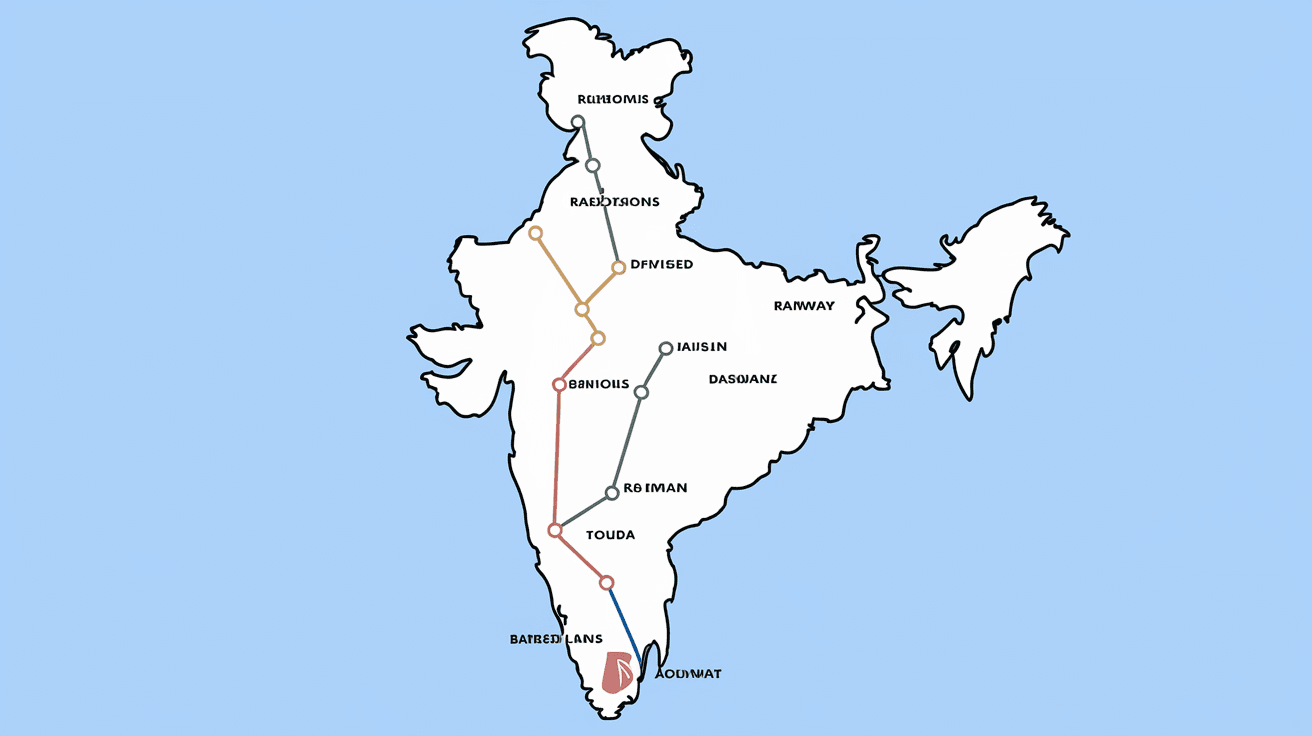
India has a total of 71 railway divisions spread across its railway zones. These divisions are part of 18 railway zones, each zone overseeing multiple divisions.
This structure allows Indian Railways to operate efficiently across the country's vast and diverse landscape.
Indian Railways is divided into zones, and each zone contains several divisions. Here’s a quick look at some zones and their divisions:
| Railway Zone | Number of Divisions | Example Divisions |
| Northern Railway | 5 | Delhi, Ambala, Firozpur |
| Southern Railway | 6 | Chennai, Madurai, Salem |
| Eastern Railway | 4 | Howrah, Sealdah, Malda |
| Western Railway | 7 | Mumbai, Vadodara, Ahmedabad |
| South Central Railway | 6 | Secunderabad, Hyderabad, Vijayawada |
Each division manages the railway network within its jurisdiction, ensuring trains run on time and infrastructure is maintained.
Railway divisions play a vital role in the daily operations of Indian Railways. Their responsibilities include:
Divisions work closely with zonal offices to implement policies and improve services.
The Indian Railways structure is hierarchical:
This structure helps decentralize operations, making management more efficient and responsive.
Some railway divisions are particularly significant due to their size, traffic, or strategic location:
These divisions showcase the diversity and scale of Indian Railways.
Indian Railways is constantly evolving, and divisions play a key role in implementing new projects:
These developments improve efficiency and passenger experience across divisions.
Despite their importance, railway divisions face several challenges:
Addressing these challenges is crucial for the continued success of Indian Railways.
If you want to explore more about railway divisions, here are some ways:
Understanding divisions helps appreciate the complexity behind running one of the world's largest rail networks.
India's railway divisions are the backbone of its vast rail network. With 71 divisions spread across 18 zones, they manage everything from train operations to infrastructure maintenance. These divisions ensure that millions of passengers and tons of freight move smoothly every day.
By breaking down the massive railway system into divisions, Indian Railways can operate efficiently and respond quickly to local needs. Whether it's upgrading tracks or improving passenger services, railway divisions play a crucial role in keeping India's trains running on time.
India has a total of 71 railway divisions spread across 18 railway zones.
A railway division manages train operations, infrastructure maintenance, safety, revenue, and customer service within its area.
Each railway division is headed by a Divisional Railway Manager (DRM).
Railway divisions are grouped under 18 zones, each zone overseeing multiple divisions.
Yes, Indian Railways can create or reorganize divisions based on operational needs and infrastructure growth.