

How Many Poisonous Snakes Are There in India?
F
Discover verified facts, data, and insights about India’s states, culture, economy, education, and more — all in one place at FactBharat.
Search for a command to run...
Discover verified facts, data, and insights about India’s states, culture, economy, education, and more — all in one place at FactBharat.
No comments yet. Be the first to comment.
Moving to the USA from India is a dream for many. Whether you want to study, work, or live with family, the process can seem complex. But with the right information, you can plan your move confidently. I’ll guide you through the key steps and options...
Opening a college in India is a dream for many educators and entrepreneurs who want to contribute to the country’s education sector. If you are one of those who want to start a college, you need to understand the process clearly. It involves several ...
Opening a hospital in India is a significant and rewarding venture. If you’ve ever wondered how to start one, you’re in the right place. Whether you’re a healthcare professional, entrepreneur, or investor, understanding the process is crucial. You’ll...
Opening a medical store in India can be a rewarding business opportunity. You get to serve your community by providing essential medicines and healthcare products. If you are thinking about starting a medical store, you might wonder where to begin an...
Opening a restaurant in India can be an exciting and rewarding venture. Whether you dream of serving traditional Indian dishes or international cuisine, the process involves careful planning and understanding of local regulations. If you’re ready to ...
FactBharat | Insights About India
2558 posts
Discover verified facts, data, and insights about India’s states, culture, economy, education, and more — all in one place at FactBharat.
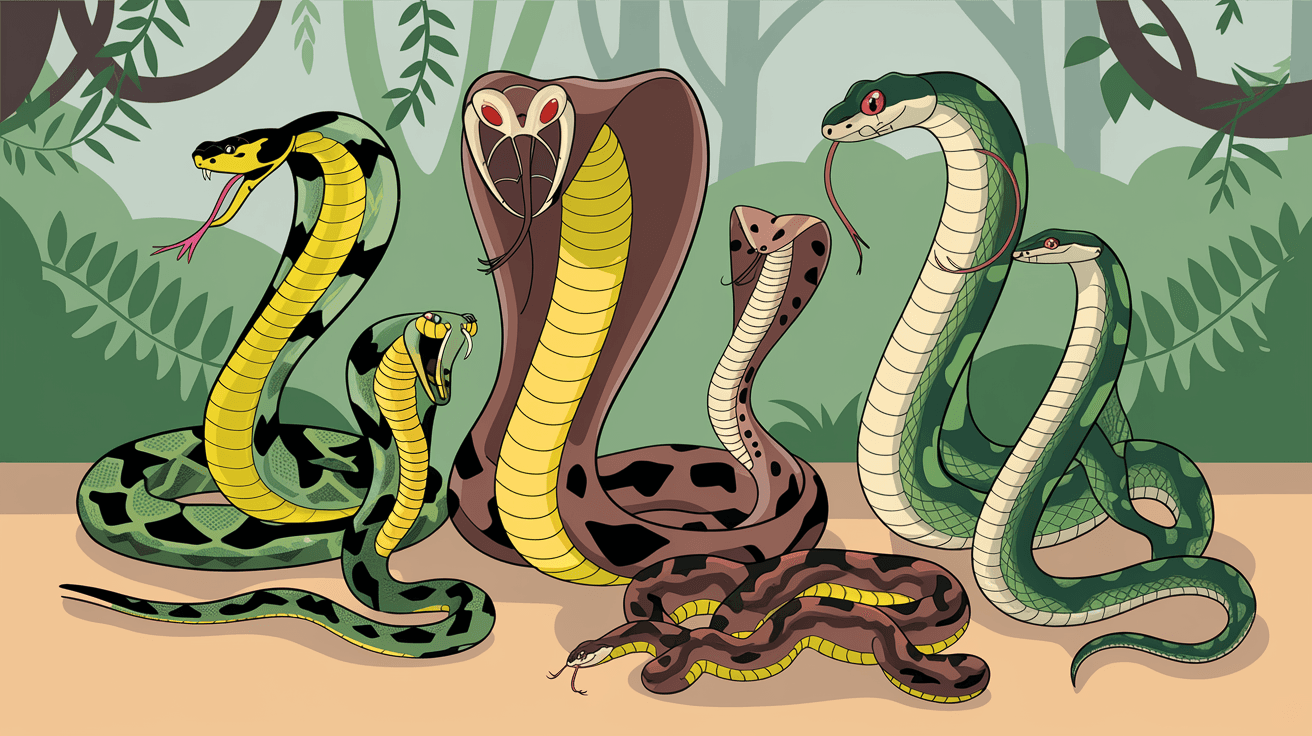
India is home to a rich variety of snakes, many of which are venomous and pose risks to humans. If you’ve ever wondered how many poisonous snakes live in India, you’re not alone. Understanding these snakes is important for safety and awareness, especially if you spend time outdoors or in rural areas. In this article, I’ll guide you through the types of poisonous snakes found in India and what makes them dangerous.
We’ll explore the most common venomous snakes, their habitats, and how to identify them. Plus, I’ll share tips on what to do if you encounter one or get bitten. By the end, you’ll have a clear picture of India’s poisonous snakes and how to stay safe around them.
India has around 60 species of venomous snakes. These snakes are spread across different regions and climates, from forests to urban areas. The exact number can vary slightly due to new discoveries and classifications, but experts agree that about 15 to 20 species are considered highly dangerous to humans.
Among these, the "Big Four" snakes are responsible for the majority of snakebite deaths in India. They are:
These four are the most well-known and medically significant venomous snakes in India. They are found in many parts of the country and are responsible for thousands of bites annually.
Besides the Big Four, India has several other venomous species, including:
These snakes are less common but still pose risks, especially in their natural habitats.
The term "poisonous" is often used interchangeably with "venomous," but there’s a difference. Poisonous animals release toxins when touched or eaten, while venomous animals inject venom through bites or stings. Indian snakes are venomous, meaning they inject venom through their fangs.
Venom composition varies among species and affects the body differently:
Understanding venom types helps doctors treat snakebites effectively.
Venomous snakes are found throughout India, but their distribution depends on climate and habitat.
Knowing where these snakes live can help you avoid dangerous encounters.
Identifying venomous snakes can be tricky, but some features help:
| Snake Name | Key Features | Color Pattern | Habitat |
| Indian Cobra | Hood with spectacle pattern | Brown or black with hood mark | Urban, forests |
| Common Krait | Smooth, shiny scales, slender body | Black with white bands | Fields, villages |
| Russell’s Viper | Oval-shaped spots with dark edges | Brown with chain-like pattern | Fields, scrublands |
| Saw-scaled Viper | Rough scales, small size | Brown or gray with zigzag marks | Dry areas, fields |
| King Cobra | Large size, hood, smooth scales | Olive green or brown | Forests, hills |
If you see a snake with these features, keep a safe distance and avoid disturbing it.
If you come across a venomous snake, your safety is the priority. Here’s what you should do:
Remember, snakes usually avoid humans and bite only when threatened.
Snakebite treatment is critical and time-sensitive. If bitten, follow these steps immediately:
Hospitals use antivenom specific to the snake species to treat bites effectively.
India faces a high number of snakebite cases every year, but efforts are underway to reduce deaths and injuries.
These efforts are helping save lives and reduce fear around snakes.
You can reduce your risk of snakebite by taking simple precautions:
Being aware and prepared is the best way to stay safe.
India has around 60 venomous snake species, with the Big Four being the most dangerous. These snakes live in diverse habitats across the country, and understanding their behavior helps you avoid risky encounters. If you see a venomous snake, stay calm and keep your distance. In case of a bite, quick medical treatment is essential.
With ongoing awareness and medical advances, snakebite deaths in India are gradually decreasing. By learning about these snakes and following safety tips, you can protect yourself and your loved ones. Remember, snakes play an important role in the ecosystem, so respect them and stay safe.
India has about 60 venomous snake species, with 15 to 20 considered highly dangerous to humans.
The Big Four are Indian cobra, common krait, Russell’s viper, and saw-scaled viper.
No, many snakes in India are non-venomous and harmless to humans.
Seek immediate medical help, keep the limb still, and avoid home remedies or tourniquets.
Wear protective clothing, keep surroundings clean, use a flashlight at night, and avoid disturbing snakes.