

How Many Plant Species Are Found in India
F
Discover verified facts, data, and insights about India’s states, culture, economy, education, and more — all in one place at FactBharat.
Search for a command to run...
Discover verified facts, data, and insights about India’s states, culture, economy, education, and more — all in one place at FactBharat.
No comments yet. Be the first to comment.
Moving to the USA from India is a dream for many. Whether you want to study, work, or live with family, the process can seem complex. But with the right information, you can plan your move confidently. I’ll guide you through the key steps and options...
Opening a college in India is a dream for many educators and entrepreneurs who want to contribute to the country’s education sector. If you are one of those who want to start a college, you need to understand the process clearly. It involves several ...
Opening a hospital in India is a significant and rewarding venture. If you’ve ever wondered how to start one, you’re in the right place. Whether you’re a healthcare professional, entrepreneur, or investor, understanding the process is crucial. You’ll...
Opening a medical store in India can be a rewarding business opportunity. You get to serve your community by providing essential medicines and healthcare products. If you are thinking about starting a medical store, you might wonder where to begin an...
Opening a restaurant in India can be an exciting and rewarding venture. Whether you dream of serving traditional Indian dishes or international cuisine, the process involves careful planning and understanding of local regulations. If you’re ready to ...
FactBharat | Insights About India
2558 posts
Discover verified facts, data, and insights about India’s states, culture, economy, education, and more — all in one place at FactBharat.
India is one of the most botanically rich countries in the world. If you love nature or are curious about plants, you’ll be amazed by the variety of plant species found here. From towering trees to tiny herbs, India’s plant life is incredibly diverse. You might wonder exactly how many plant species grow in this vast country and what makes India so special in terms of plant biodiversity.
In this article, I’ll take you through the fascinating world of India’s plants. We’ll explore the number of species, the different types of plants, and the regions where they thrive. You’ll also learn about the importance of conserving these plants for future generations. Let’s dive into the green treasure trove that India offers.
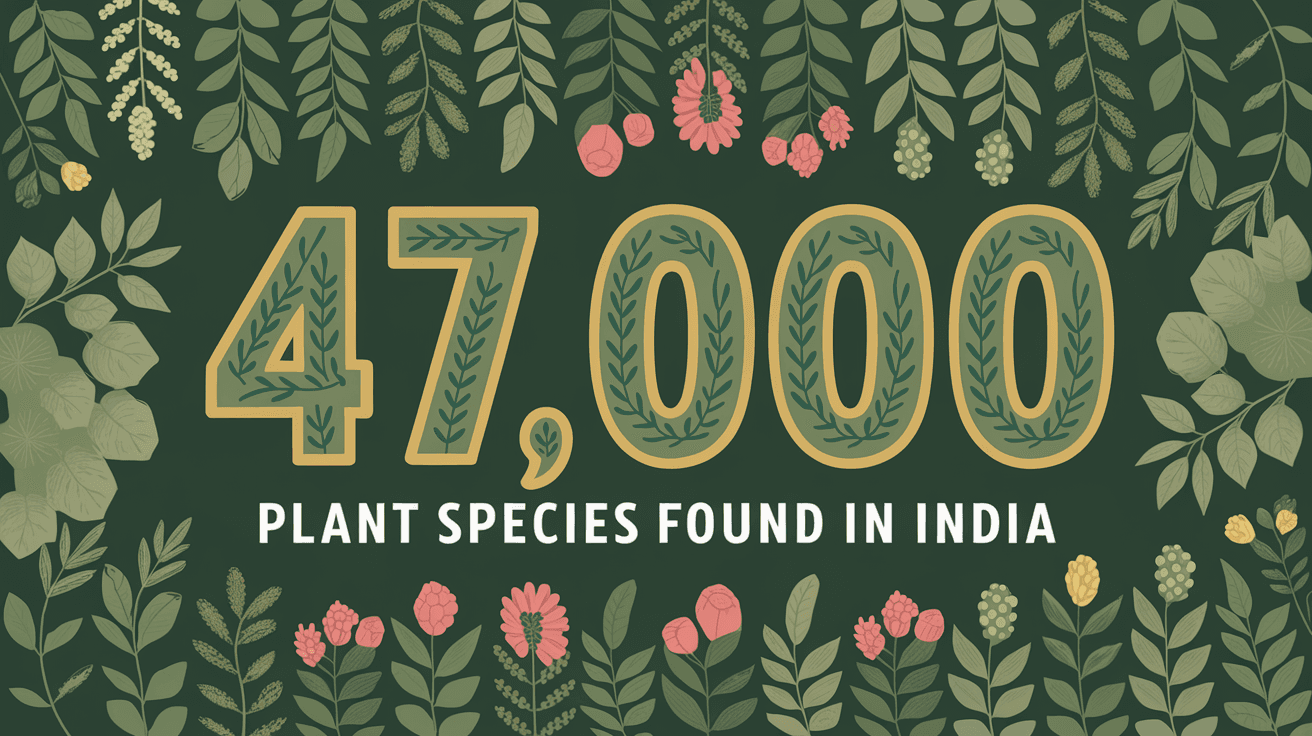
India is home to a huge variety of plant species. Scientists estimate that India has around 47,000 to 50,000 species of plants. This includes flowering plants, trees, shrubs, herbs, ferns, and mosses. To put this in perspective, India holds about 7-8% of the world’s total plant species, even though it covers only 2.4% of the Earth’s land area.
This rich diversity is due to India’s varied climate and geography. From the cold Himalayas in the north to the tropical rainforests in the south, each region supports different types of plants. The Western Ghats, the Eastern Himalayas, and the Indo-Burma region are some of the biodiversity hotspots in India.
India’s plant species can be broadly categorized into:
Each group plays a vital role in the ecosystem, supporting wildlife and human life.
Certain regions in India are especially rich in plant species. These areas are often called biodiversity hotspots because they have many unique plants found nowhere else.
The Western Ghats stretch along the western coast of India. This mountain range is a UNESCO World Heritage Site and one of the world’s eight "hottest hotspots" of biological diversity. It hosts over 7,400 plant species, with about 1,800 species found only here.
The Eastern Himalayas cover parts of northeastern India, including Arunachal Pradesh, Sikkim, and parts of Assam. This region is known for its unique alpine and sub-alpine flora.
This area includes northeastern states like Nagaland, Manipur, and Mizoram. It is one of the richest areas for plant diversity in India.
Plants are not just beautiful; they are essential for life. In India, plants provide food, medicine, shelter, and raw materials for millions of people. Here’s why India’s plant diversity matters:
Despite its richness, India’s plant diversity faces many threats. Human activities and environmental changes are putting many species at risk.
India has taken several steps to protect its plant diversity. These efforts involve government policies, protected areas, and community participation.
India has established many national parks, wildlife sanctuaries, and biosphere reserves to conserve plant and animal life. Some important ones include:
These areas protect natural habitats and endangered plant species.
Botanical gardens across India play a key role in conserving rare plants. They grow endangered species and educate the public about plant conservation. Seed banks store seeds of various plants to preserve genetic diversity.
India’s Forest Conservation Act and Wildlife Protection Act help regulate the use of forest resources. The National Biodiversity Act promotes sustainable use and conservation of biodiversity.
Local communities, especially indigenous groups, have traditional knowledge about plants. Involving them in conservation helps protect plants and their habitats effectively.
You don’t have to be a scientist to contribute to plant conservation. Here are some simple ways you can help:
India’s plant diversity is truly remarkable, with tens of thousands of species thriving across its varied landscapes. From the lush Western Ghats to the icy Himalayas, each region adds unique plants to the country’s natural heritage. These plants are vital for the environment, economy, and culture.
However, this rich biodiversity faces serious threats from human activities and climate change. Protecting India’s plant species requires combined efforts from the government, communities, and individuals like you. By understanding and valuing this green wealth, we can ensure that India’s plants continue to flourish for generations to come.
India has approximately 47,000 to 50,000 plant species, making it one of the most botanically diverse countries in the world.
The Eastern Himalayas and the Western Ghats are two of the richest regions in India for plant diversity, each hosting thousands of unique species.
Endangered plants include the Himalayan yew, red sandalwood, and certain orchids, mainly threatened by habitat loss and overharvesting.
Plant conservation protects biodiversity, supports ecosystems, provides medicinal resources, and sustains livelihoods for millions of people.
You can help by planting native species, avoiding products from endangered plants, supporting conservation groups, and spreading awareness about the importance of plants.