

How Many People in India Speak Hindi
F
Discover verified facts, data, and insights about India’s states, culture, economy, education, and more — all in one place at FactBharat.
Search for a command to run...
Discover verified facts, data, and insights about India’s states, culture, economy, education, and more — all in one place at FactBharat.
No comments yet. Be the first to comment.
Moving to the USA from India is a dream for many. Whether you want to study, work, or live with family, the process can seem complex. But with the right information, you can plan your move confidently. I’ll guide you through the key steps and options...
Opening a college in India is a dream for many educators and entrepreneurs who want to contribute to the country’s education sector. If you are one of those who want to start a college, you need to understand the process clearly. It involves several ...
Opening a hospital in India is a significant and rewarding venture. If you’ve ever wondered how to start one, you’re in the right place. Whether you’re a healthcare professional, entrepreneur, or investor, understanding the process is crucial. You’ll...
Opening a medical store in India can be a rewarding business opportunity. You get to serve your community by providing essential medicines and healthcare products. If you are thinking about starting a medical store, you might wonder where to begin an...
Opening a restaurant in India can be an exciting and rewarding venture. Whether you dream of serving traditional Indian dishes or international cuisine, the process involves careful planning and understanding of local regulations. If you’re ready to ...
FactBharat | Insights About India
2558 posts
Discover verified facts, data, and insights about India’s states, culture, economy, education, and more — all in one place at FactBharat.
If you’ve ever wondered how many people in India speak Hindi, you’re not alone. Hindi is one of the most widely spoken languages in the world, and India is its largest home. Understanding the number of Hindi speakers in India helps you appreciate the country’s rich linguistic diversity and cultural heritage.
In this article, I’ll walk you through the current facts about Hindi speakers in India. We’ll explore how many people speak Hindi, where it’s spoken, and why it matters. Whether you’re curious about language trends or planning to visit India, this guide will give you clear and useful insights.
Hindi is the most spoken language in India by a large margin. According to the latest census data and linguistic surveys, over 40% of India’s population speaks Hindi as their first language. This means roughly 500 million people in India are native Hindi speakers.
When you include those who speak Hindi as a second language, the number rises significantly. Estimates suggest that more than 600 million people in India can communicate in Hindi. This makes Hindi the most widely understood language across the country.
These figures highlight Hindi’s dominant role in India’s linguistic landscape.
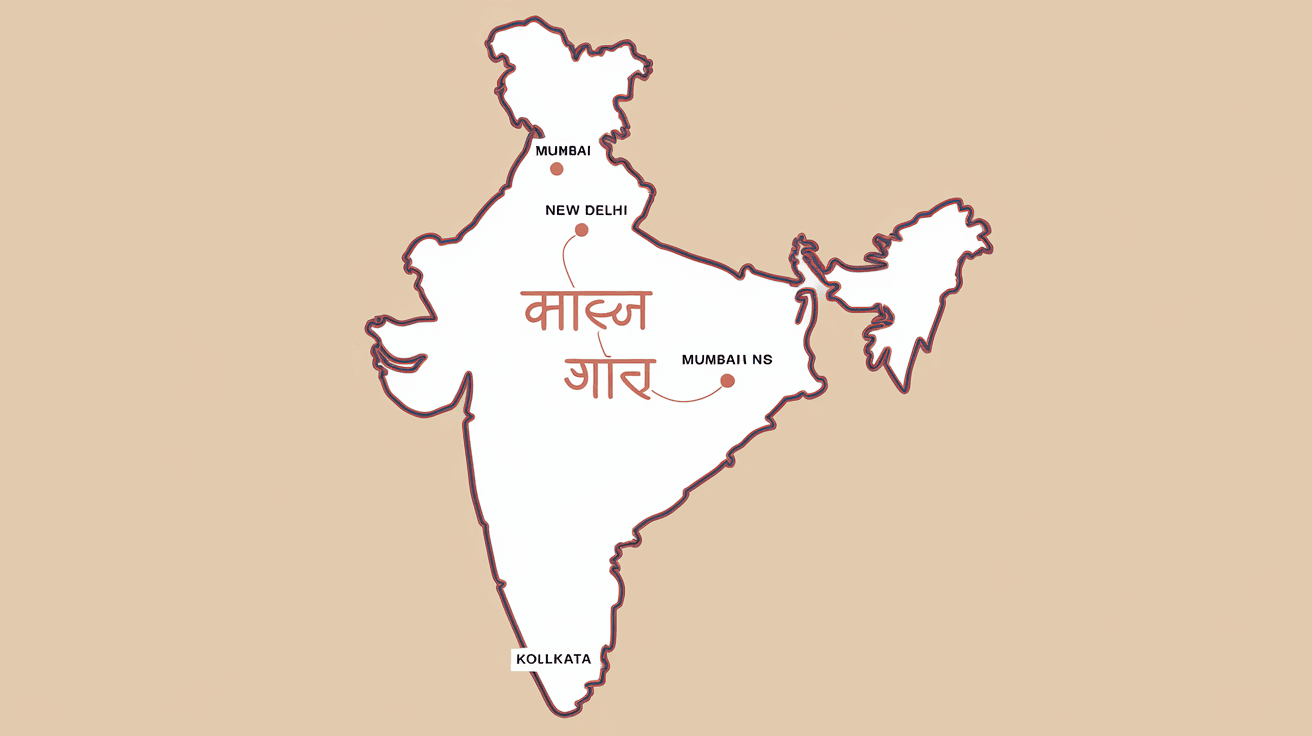
Hindi is primarily spoken in the northern and central parts of India. The states where Hindi is the official or most commonly spoken language include:
Besides these, Hindi is widely understood and spoken in many other states, especially in urban areas. Cities like Delhi, Jaipur, Lucknow, and Patna have large Hindi-speaking populations.
Hindi holds a special place in India’s constitution. It is one of the two official languages of the central government, alongside English. This means Hindi is used in government communication, official documents, and education in many parts of the country.
However, India recognizes 22 scheduled languages, reflecting its linguistic diversity. While Hindi is dominant, many people speak other regional languages as their mother tongue.
Hindi is more than just a language; it’s a key part of India’s culture. It’s the language of Bollywood, India’s massive film industry, which reaches millions across the globe. Hindi literature, music, and television also play a huge role in shaping cultural identity.
This cultural presence helps Hindi remain relevant and widely spoken.
Hindi is not a single uniform language. It has many dialects and regional variations. Some of the major dialects include:
These dialects differ in pronunciation, vocabulary, and grammar but are generally understood by Hindi speakers. This diversity adds richness to the language.
Hindi is a major medium of instruction in schools across northern India. Many students learn Hindi from an early age, either as their first language or as a second language. The government promotes Hindi education to increase literacy and communication.
This educational focus ensures Hindi continues to thrive among younger generations.
Hindi has influenced many other Indian languages, especially those spoken in northern and central India. Words from Hindi have entered languages like Punjabi, Marathi, and Bengali. This cross-pollination happens through trade, migration, and media.
This influence shows how Hindi connects different linguistic communities.
Despite its popularity, Hindi faces some challenges. India’s linguistic diversity means many people prefer their regional languages. In southern and eastern India, languages like Tamil, Telugu, and Bengali are dominant.
These factors mean Hindi’s growth is steady but not uniform across India.
Looking ahead, Hindi is expected to remain India’s most spoken language. Its role in media, education, and government supports this trend. However, India’s multilingual nature means Hindi will coexist with many other languages.
Hindi’s future is bright but will reflect India’s complex linguistic fabric.
Now you know that over 500 million people in India speak Hindi as their first language, with many more using it as a second language. Hindi’s reach extends across northern and central India, making it the most spoken language in the country. It plays a vital role in government, culture, and education.
While Hindi faces challenges from India’s diverse languages, it remains a powerful tool for communication and cultural expression. Whether you’re learning Hindi or just curious about India’s languages, understanding Hindi’s place helps you appreciate the country’s rich heritage and vibrant society.
About 500 million people in India speak Hindi as their first language, making it the most spoken native language in the country.
Hindi is one of the two official languages of the Indian central government, alongside English. It is widely used in administration and education.
Hindi is most commonly spoken in northern and central states like Uttar Pradesh, Madhya Pradesh, Rajasthan, Bihar, and Haryana.
No, not everyone speaks Hindi. India has many regional languages, and in some states, Hindi is less common or spoken mainly as a second language.
Hindi influences Indian culture through Bollywood films, music, literature, and festivals, making it a key part of everyday life for millions.