

How Many People in India Invest in Mutual Funds
F
Discover verified facts, data, and insights about India’s states, culture, economy, education, and more — all in one place at FactBharat.
Search for a command to run...
Discover verified facts, data, and insights about India’s states, culture, economy, education, and more — all in one place at FactBharat.
No comments yet. Be the first to comment.
Moving to the USA from India is a dream for many. Whether you want to study, work, or live with family, the process can seem complex. But with the right information, you can plan your move confidently. I’ll guide you through the key steps and options...
Opening a college in India is a dream for many educators and entrepreneurs who want to contribute to the country’s education sector. If you are one of those who want to start a college, you need to understand the process clearly. It involves several ...
Opening a hospital in India is a significant and rewarding venture. If you’ve ever wondered how to start one, you’re in the right place. Whether you’re a healthcare professional, entrepreneur, or investor, understanding the process is crucial. You’ll...
Opening a medical store in India can be a rewarding business opportunity. You get to serve your community by providing essential medicines and healthcare products. If you are thinking about starting a medical store, you might wonder where to begin an...
Opening a restaurant in India can be an exciting and rewarding venture. Whether you dream of serving traditional Indian dishes or international cuisine, the process involves careful planning and understanding of local regulations. If you’re ready to ...
FactBharat | Insights About India
2558 posts
Discover verified facts, data, and insights about India’s states, culture, economy, education, and more — all in one place at FactBharat.
Investing in mutual funds has become a popular way for many Indians to grow their savings. You might wonder, how many people in India actually invest in mutual funds? Understanding this can help you see the bigger picture of India's financial landscape and how mutual funds fit into it.
In this article, I’ll walk you through the current number of mutual fund investors in India, the reasons behind this growth, and what it means for you. Whether you’re thinking about investing or just curious, this guide will give you clear insights into mutual fund investments in India.
Mutual funds have seen a steady rise in popularity over the past decade. More people are choosing mutual funds because they offer a simple way to invest in the stock market without needing expert knowledge.
Here’s why mutual funds are gaining traction:
This growing interest is reflected in the increasing number of investors.
As of 2025, India has over 12 crore (120 million) mutual fund investors. This number has grown significantly from just a few million a decade ago.
To put this in perspective:
This growth is driven by several factors:
Mutual fund investors in India come from diverse backgrounds, but some trends stand out:
These trends show that mutual funds are becoming a mainstream investment option across different sections of society.
You might ask, why are mutual funds so attractive to Indian investors? Here are some reasons:
These factors combine to make mutual funds a preferred choice for many Indians.
Different types of mutual funds attract different investors. Here are some popular categories:
Each type serves different financial goals and risk appetites, making mutual funds flexible for investors.
Technology has played a huge role in increasing mutual fund investors in India. Here’s how:
These tech advances have made mutual funds accessible to a wider audience, including younger and rural investors.
Despite growth, some challenges remain:
Addressing these issues will help mutual funds grow further and benefit more people.
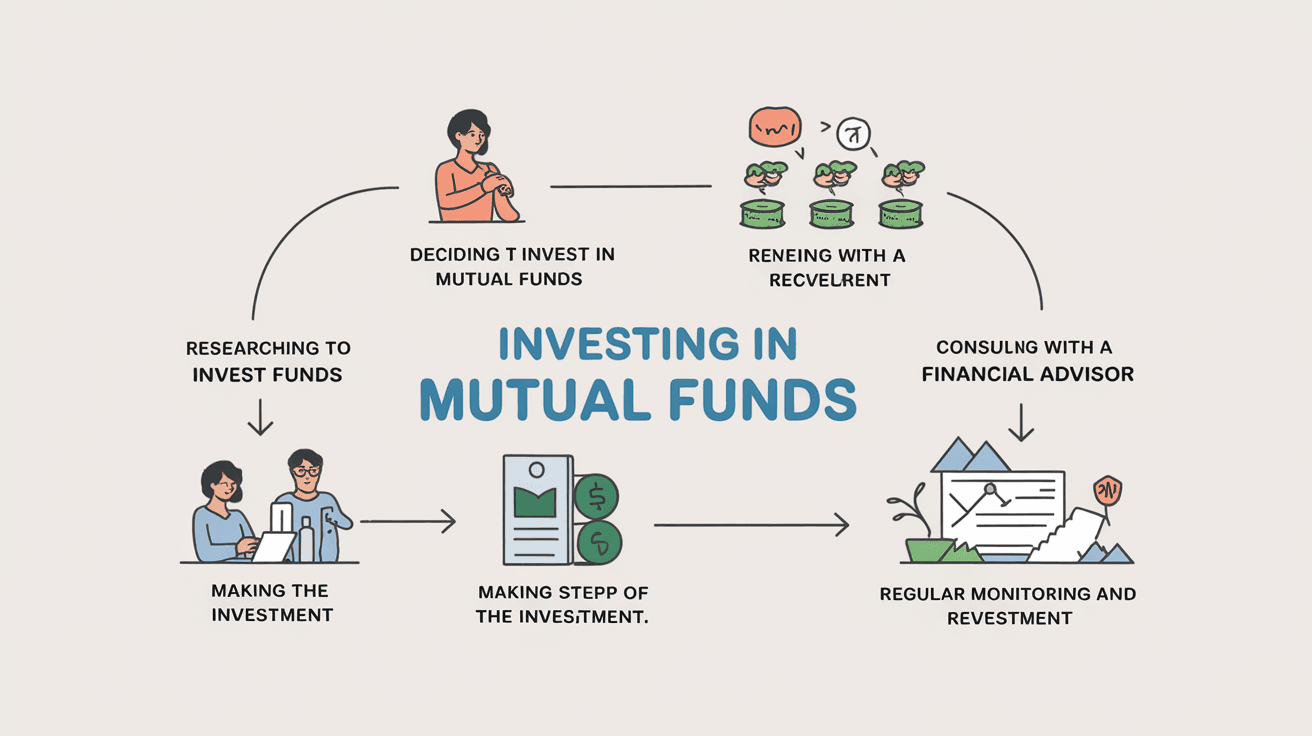
If you’re thinking about investing, here’s a simple step-by-step guide:
Starting small and staying consistent can help you build wealth over time.
Looking ahead, mutual fund investments in India are expected to keep growing. Here’s why:
This growth means more Indians will benefit from mutual funds as part of their financial planning.
You’ve seen how mutual funds have become a popular investment choice in India, with over 12 crore investors today. This growth reflects rising financial awareness, easy access through technology, and the desire for better returns.
If you’re considering investing, mutual funds offer a flexible and convenient way to grow your money. By understanding the types of funds and how to start, you can join millions of Indians building wealth through mutual funds.
Over 12 crore (120 million) people in India invest in mutual funds, showing a steady rise in popularity across different age groups and regions.
The main reasons include increased financial awareness, easy online access, government campaigns, and rising disposable incomes.
Yes, mutual funds are beginner-friendly because they offer professional management and allow small investments.
Most mutual fund investors in India are between 25 and 45 years old, as they seek long-term wealth creation.
Yes, Equity Linked Savings Schemes (ELSS) offer tax benefits under Section 80C, making them popular for tax-saving investments.