

How Many People Have HIV in India
F
Discover verified facts, data, and insights about India’s states, culture, economy, education, and more — all in one place at FactBharat.
Search for a command to run...
Discover verified facts, data, and insights about India’s states, culture, economy, education, and more — all in one place at FactBharat.
No comments yet. Be the first to comment.
Moving to the USA from India is a dream for many. Whether you want to study, work, or live with family, the process can seem complex. But with the right information, you can plan your move confidently. I’ll guide you through the key steps and options...
Opening a college in India is a dream for many educators and entrepreneurs who want to contribute to the country’s education sector. If you are one of those who want to start a college, you need to understand the process clearly. It involves several ...
Opening a hospital in India is a significant and rewarding venture. If you’ve ever wondered how to start one, you’re in the right place. Whether you’re a healthcare professional, entrepreneur, or investor, understanding the process is crucial. You’ll...
Opening a medical store in India can be a rewarding business opportunity. You get to serve your community by providing essential medicines and healthcare products. If you are thinking about starting a medical store, you might wonder where to begin an...
Opening a restaurant in India can be an exciting and rewarding venture. Whether you dream of serving traditional Indian dishes or international cuisine, the process involves careful planning and understanding of local regulations. If you’re ready to ...
FactBharat | Insights About India
2558 posts
Discover verified facts, data, and insights about India’s states, culture, economy, education, and more — all in one place at FactBharat.
Understanding how many people have HIV in India is important for grasping the scale of the epidemic and the efforts needed to control it. You might be curious about the latest numbers, how the situation has changed over time, and what the government and health organizations are doing to help. In this article, I’ll walk you through the current facts and figures about HIV in India, explain the trends, and share what this means for the future.
India has made significant progress in fighting HIV, but the virus still affects millions. Knowing the numbers helps us understand the challenges and the successes. Whether you’re a student, a health worker, or just someone interested, this article will give you a clear picture of HIV in India today.
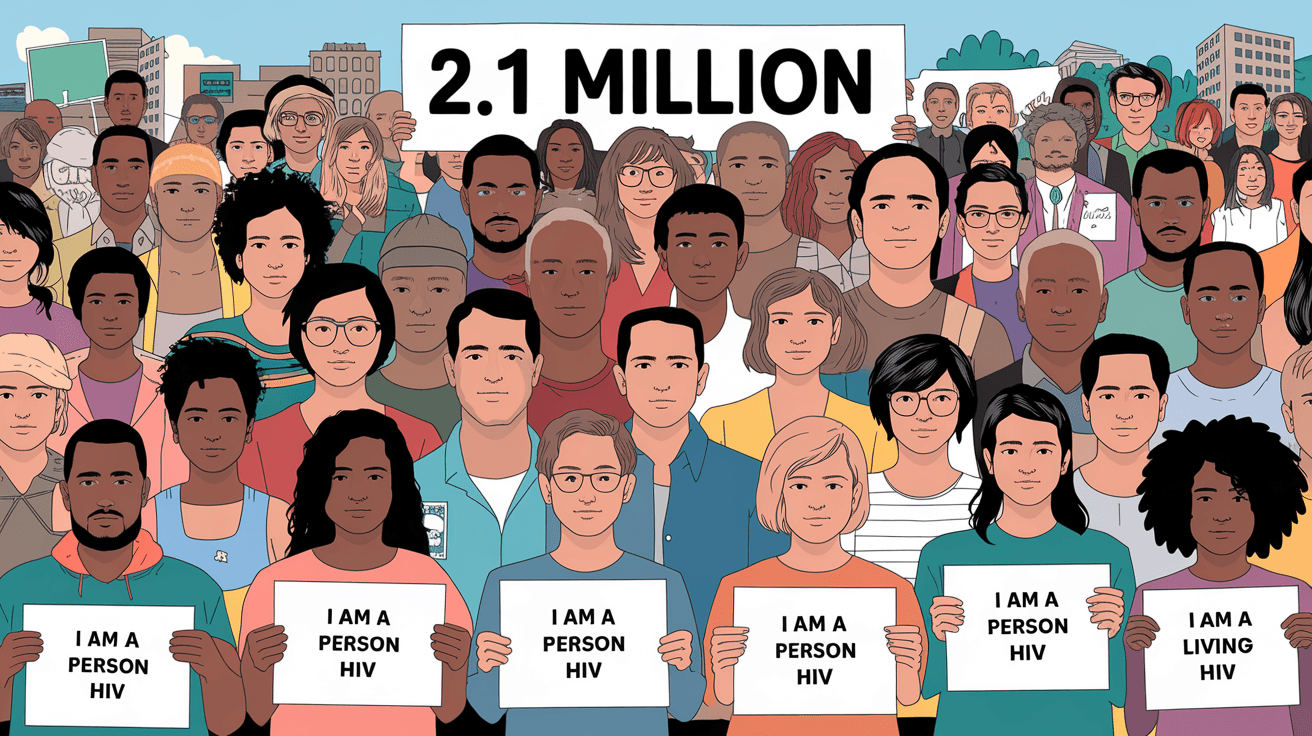
India has one of the largest populations affected by HIV in the world. According to the latest data, approximately 2.4 million people are living with HIV in India. This figure places India among the countries with the highest number of HIV cases globally, but it’s important to note that the prevalence rate (the percentage of people living with HIV) is relatively low compared to some other countries.
This means that while the total number is high due to India’s large population, the spread of HIV is under better control than before.
HIV prevalence in India is not uniform. Some states have higher rates than others, reflecting differences in social, economic, and behavioral factors.
Understanding these regional differences helps target prevention and treatment programs more effectively.
Certain groups in India are more vulnerable to HIV infection. These key populations include:
Focusing on these groups is crucial for reducing new infections and providing support.
India has seen a positive trend in reducing new HIV infections and AIDS-related deaths over the past two decades.
These trends show that prevention, testing, and treatment efforts are working, but continued vigilance is necessary.
India’s response to HIV involves multiple strategies aimed at prevention, testing, treatment, and awareness.
These efforts have helped stabilize the epidemic and improve the quality of life for those living with HIV.
Despite progress, India faces several challenges in fully controlling HIV.
Addressing these challenges will require continued effort from government, NGOs, and communities.
Everyone can play a role in supporting HIV prevention and care in India.
By working together, we can help reduce the impact of HIV in India.
The number of people living with HIV in India is significant, with around 2.4 million affected. However, thanks to strong national programs and international support, new infections and AIDS-related deaths have declined. The epidemic is concentrated in certain regions and key populations, which helps focus prevention efforts.
While challenges like stigma and access to care remain, India’s progress shows that with continued commitment, the HIV epidemic can be controlled. Understanding these facts empowers you to contribute to awareness and support for those affected. Together, we can help build a healthier future for India.
Approximately 2.4 million people in India are living with HIV, making it one of the countries with the highest total number of cases globally.
States like Maharashtra, Andhra Pradesh, Karnataka, Tamil Nadu, and some northeastern states such as Manipur have higher HIV prevalence rates compared to others.
Key populations include sex workers, men who have sex with men, people who inject drugs, transgender individuals, and migrants.
India has reduced new infections by nearly 50% through national programs focusing on prevention, testing, treatment, and awareness campaigns.
Stigma, discrimination, limited healthcare access in rural areas, and reaching marginalized groups remain major challenges in HIV control.