

How Many Patents Does India Have
F
Discover verified facts, data, and insights about India’s states, culture, economy, education, and more — all in one place at FactBharat.
Search for a command to run...
Discover verified facts, data, and insights about India’s states, culture, economy, education, and more — all in one place at FactBharat.
No comments yet. Be the first to comment.
Moving to the USA from India is a dream for many. Whether you want to study, work, or live with family, the process can seem complex. But with the right information, you can plan your move confidently. I’ll guide you through the key steps and options...
Opening a college in India is a dream for many educators and entrepreneurs who want to contribute to the country’s education sector. If you are one of those who want to start a college, you need to understand the process clearly. It involves several ...
Opening a hospital in India is a significant and rewarding venture. If you’ve ever wondered how to start one, you’re in the right place. Whether you’re a healthcare professional, entrepreneur, or investor, understanding the process is crucial. You’ll...
Opening a medical store in India can be a rewarding business opportunity. You get to serve your community by providing essential medicines and healthcare products. If you are thinking about starting a medical store, you might wonder where to begin an...
Opening a restaurant in India can be an exciting and rewarding venture. Whether you dream of serving traditional Indian dishes or international cuisine, the process involves careful planning and understanding of local regulations. If you’re ready to ...
FactBharat | Insights About India
2558 posts
Discover verified facts, data, and insights about India’s states, culture, economy, education, and more — all in one place at FactBharat.
If you’ve ever wondered how many patents India holds, you’re not alone. Patents are a key measure of a country’s innovation and technological progress. They protect inventions and encourage creativity by giving inventors exclusive rights to their work.
In this article, I’ll walk you through the current patent landscape in India. We’ll explore how many patents India has, what types of patents are most common, and what this means for the country’s future in innovation and technology.
Patents are legal rights granted to inventors to protect their inventions for a specific period, usually 20 years. In India, the patent system is governed by the Patents Act, 1970, which has been amended several times to keep up with global standards.
Patents encourage innovation by:
India’s patent system is managed by the Office of the Controller General of Patents, Designs, and Trade Marks (CGPDTM). This office processes patent applications and maintains patent records.
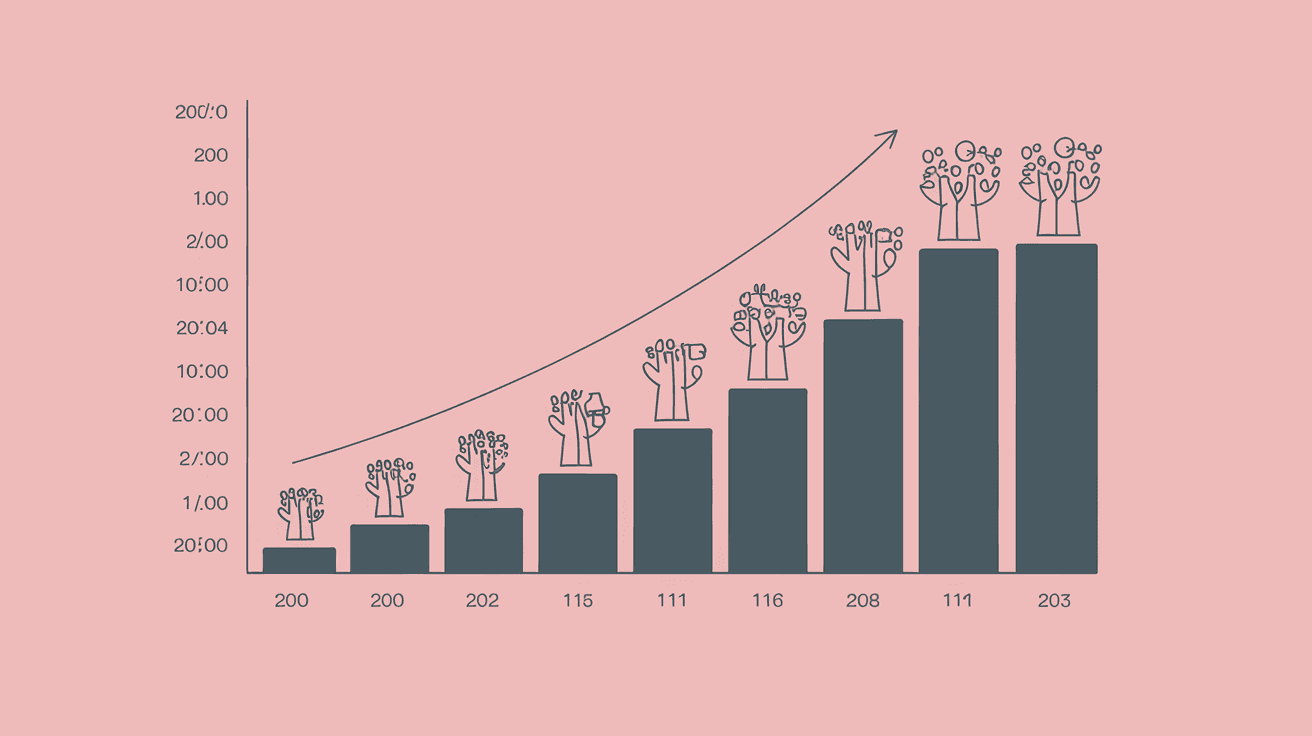
As of 2025, India has approximately 60,000 to 70,000 active patents granted. This number includes patents granted to Indian inventors and foreign companies operating in India.
Here are some key points about India’s patent numbers:
India’s patent filings have grown due to:
The rise in patent filings shows India’s growing role in global innovation.
India grants different types of patents, including:
Here’s how patents are distributed across sectors in India:
| Sector | Percentage of Patents |
| Pharmaceuticals | 30% |
| Information Technology | 25% |
| Biotechnology | 15% |
| Mechanical & Engineering | 10% |
| Chemicals | 8% |
| Others | 12% |
Pharmaceuticals and IT dominate patent filings due to India’s strong presence in these industries.
India ranks among the top 10 countries in terms of patent filings. While it trails behind patent giants like the USA, China, and Japan, India’s patent activity is growing rapidly.
This growth reflects India’s expanding innovation ecosystem and increasing investments in technology.
The Indian government has launched several programs to encourage patent filings and innovation:
These initiatives aim to make patent filing easier and more affordable, especially for small businesses and individual inventors.
Despite progress, India faces some challenges in its patent ecosystem:
Addressing these challenges is crucial for India to fully leverage its patent potential.
Patents play a vital role in India’s economic growth by:
For example, India’s pharmaceutical patents have helped local companies develop generic drugs and export them worldwide. Similarly, IT patents have boosted software exports and tech startups.
If you want to explore patent data yourself, India’s patent office provides online tools:
These resources help inventors, researchers, and businesses track patent trends and find existing patents.
India currently holds around 60,000 to 70,000 active patents, with numbers growing steadily each year. This growth reflects the country’s rising innovation and technological development, especially in pharmaceuticals and IT. Government programs and increased R&D investments are driving more patent filings.
However, challenges like long processing times and cost barriers remain. By addressing these, India can further boost its patent ecosystem and strengthen its position as a global innovation hub. Whether you’re an inventor, entrepreneur, or simply curious, understanding India’s patent landscape helps you appreciate the country’s progress in science and technology.
India grants around 15,000 to 20,000 patents each year, with filings exceeding 60,000 annually due to pending applications and rejections.
Pharmaceuticals, information technology, and biotechnology are the top sectors for patent filings in India.
Yes, startups can avail fee waivers and fast-track patent examination under the Startup India initiative.
The patent approval process in India typically takes 3 to 5 years, depending on the complexity and examination backlog.
You can use the Indian Patent Advanced Search System (InPASS) or WIPO PATENTSCOPE to search for Indian patents.