

How Many Passports Are There in India?
F
Discover verified facts, data, and insights about India’s states, culture, economy, education, and more — all in one place at FactBharat.
Search for a command to run...
Discover verified facts, data, and insights about India’s states, culture, economy, education, and more — all in one place at FactBharat.
No comments yet. Be the first to comment.
Moving to the USA from India is a dream for many. Whether you want to study, work, or live with family, the process can seem complex. But with the right information, you can plan your move confidently. I’ll guide you through the key steps and options...
Opening a college in India is a dream for many educators and entrepreneurs who want to contribute to the country’s education sector. If you are one of those who want to start a college, you need to understand the process clearly. It involves several ...
Opening a hospital in India is a significant and rewarding venture. If you’ve ever wondered how to start one, you’re in the right place. Whether you’re a healthcare professional, entrepreneur, or investor, understanding the process is crucial. You’ll...
Opening a medical store in India can be a rewarding business opportunity. You get to serve your community by providing essential medicines and healthcare products. If you are thinking about starting a medical store, you might wonder where to begin an...
Opening a restaurant in India can be an exciting and rewarding venture. Whether you dream of serving traditional Indian dishes or international cuisine, the process involves careful planning and understanding of local regulations. If you’re ready to ...
FactBharat | Insights About India
2558 posts
Discover verified facts, data, and insights about India’s states, culture, economy, education, and more — all in one place at FactBharat.
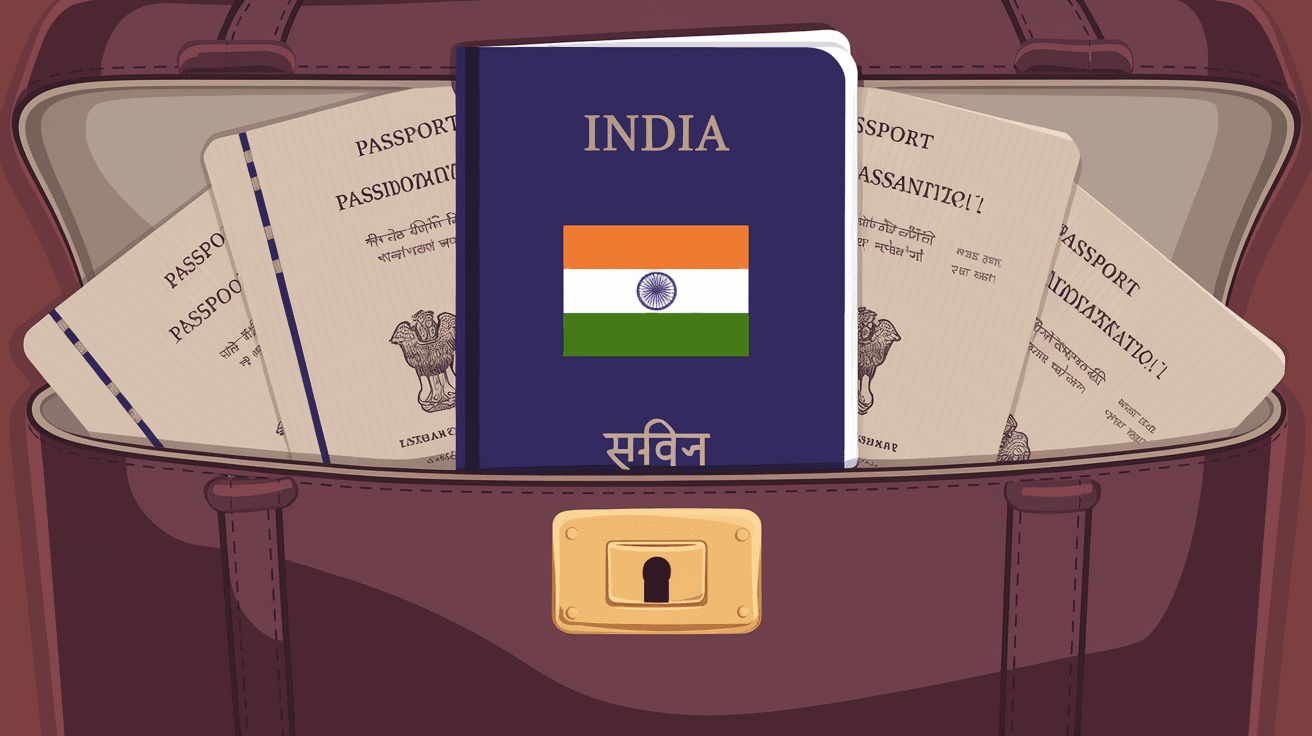
When you think about passports in India, you might wonder how many types exist and how many people actually hold one. If you’re planning to travel abroad or just curious about the system, understanding the different passports and their availability is important. You’ll find that India offers several passport types, each serving a specific purpose.
In this article, I’ll walk you through the various passports issued in India, the number of passports currently active, and some interesting facts about the passport system. Whether you want to apply for a passport or just want to know more, this guide will give you clear and simple answers.
India issues different types of passports based on the purpose of travel and the applicant’s status. Knowing these types helps you choose the right one for your needs.
This is the most common passport type. It is issued to Indian citizens for regular travel like tourism, business, or education abroad. The ordinary passport is valid for 10 years for adults and 5 years for minors.
Official passports are given to government employees who travel abroad for official duties. This passport type helps them get special privileges during their travel.
Diplomatic passports are reserved for Indian diplomats and top government officials. These passports provide diplomatic immunity and other privileges.
India also issues other special passports like the Emergency Certificate and the Identity Certificate for specific cases such as lost passports or stateless persons.
India has one of the largest passport-issuing systems in the world. With a population of over 1.4 billion, the number of passports issued is growing rapidly.
As of recent government data, over 70 crore (700 million) Indian citizens are eligible to apply for passports. However, the actual number of passport holders is around 1.5 crore (15 million). This means only about 10% of the population currently holds a valid passport.
The number of passports issued in India has increased significantly over the past decade. This growth is due to:
For example, in 2022 alone, India issued over 2 crore (20 million) passports, showing a steady rise from previous years.
Passport issuance varies by region. Urban areas like Delhi, Mumbai, and Bangalore have higher passport holders due to more international travel. Rural areas have lower passport penetration but are catching up as awareness grows.
Indian passports have evolved with technology and security in mind. Here are some key features:
India has introduced e-passports with embedded microchips containing biometric data like fingerprints and photographs. This enhances security and speeds up immigration processes.
The standard Indian passport booklet contains 36 pages for visas and stamps. There is also a jumbo passport with 60 pages for frequent travelers.
Ordinary passports are valid for 10 years for adults and 5 years for minors. Renewal is possible before expiry, and the process is mostly online now.
Applying for a passport in India has become easier with digital services. Here’s a quick overview of the process:
You start by filling out the application form on the official Passport Seva website. You’ll need to provide personal details and upload documents.
Documents like proof of identity, address, and date of birth are required. You can upload scanned copies online or submit them at the Passport Seva Kendra (PSK).
You book an appointment at the nearest PSK or Regional Passport Office for document verification and biometric data collection.
After your appointment, local police verify your address and background. This step is mandatory for most applicants.
Once verification is complete, your passport is printed and sent to your address. The entire process usually takes 7-14 days.
Despite the large population, only a small percentage of Indians have passports. Here are some reasons:
However, with globalization and more Indians working or studying abroad, passport demand is expected to rise.
Here are some quick facts you might find interesting:
Now you know that India issues several types of passports, mainly ordinary, official, and diplomatic. While over 700 million people are eligible, only about 15 million currently hold passports. The government is working hard to increase this number by making the application process easier and more accessible.
If you’re planning to travel abroad, understanding the passport types and application steps will help you get your passport smoothly. With growing international travel, more Indians are expected to join the list of passport holders in the coming years.
India issues three main types: ordinary, official, and diplomatic passports. There are also special documents like Emergency Certificates and Identity Certificates for specific cases.
Ordinary passports are valid for 10 years for adults and 5 years for minors. Official and diplomatic passports have varying validity based on the holder’s role.
Approximately 15 million Indians hold valid passports, which is about 10% of the eligible population.
Yes, the entire application process, including form filling and appointment booking, can be done online through the Passport Seva website.
An ordinary passport is for regular citizens traveling abroad, while a diplomatic passport is for diplomats and high-ranking officials, offering diplomatic immunity and special privileges.