

How Many Panthers Are in India
F
Discover verified facts, data, and insights about India’s states, culture, economy, education, and more — all in one place at FactBharat.
Search for a command to run...
Discover verified facts, data, and insights about India’s states, culture, economy, education, and more — all in one place at FactBharat.
No comments yet. Be the first to comment.
Moving to the USA from India is a dream for many. Whether you want to study, work, or live with family, the process can seem complex. But with the right information, you can plan your move confidently. I’ll guide you through the key steps and options...
Opening a college in India is a dream for many educators and entrepreneurs who want to contribute to the country’s education sector. If you are one of those who want to start a college, you need to understand the process clearly. It involves several ...
Opening a hospital in India is a significant and rewarding venture. If you’ve ever wondered how to start one, you’re in the right place. Whether you’re a healthcare professional, entrepreneur, or investor, understanding the process is crucial. You’ll...
Opening a medical store in India can be a rewarding business opportunity. You get to serve your community by providing essential medicines and healthcare products. If you are thinking about starting a medical store, you might wonder where to begin an...
Opening a restaurant in India can be an exciting and rewarding venture. Whether you dream of serving traditional Indian dishes or international cuisine, the process involves careful planning and understanding of local regulations. If you’re ready to ...
FactBharat | Insights About India
2558 posts
Discover verified facts, data, and insights about India’s states, culture, economy, education, and more — all in one place at FactBharat.
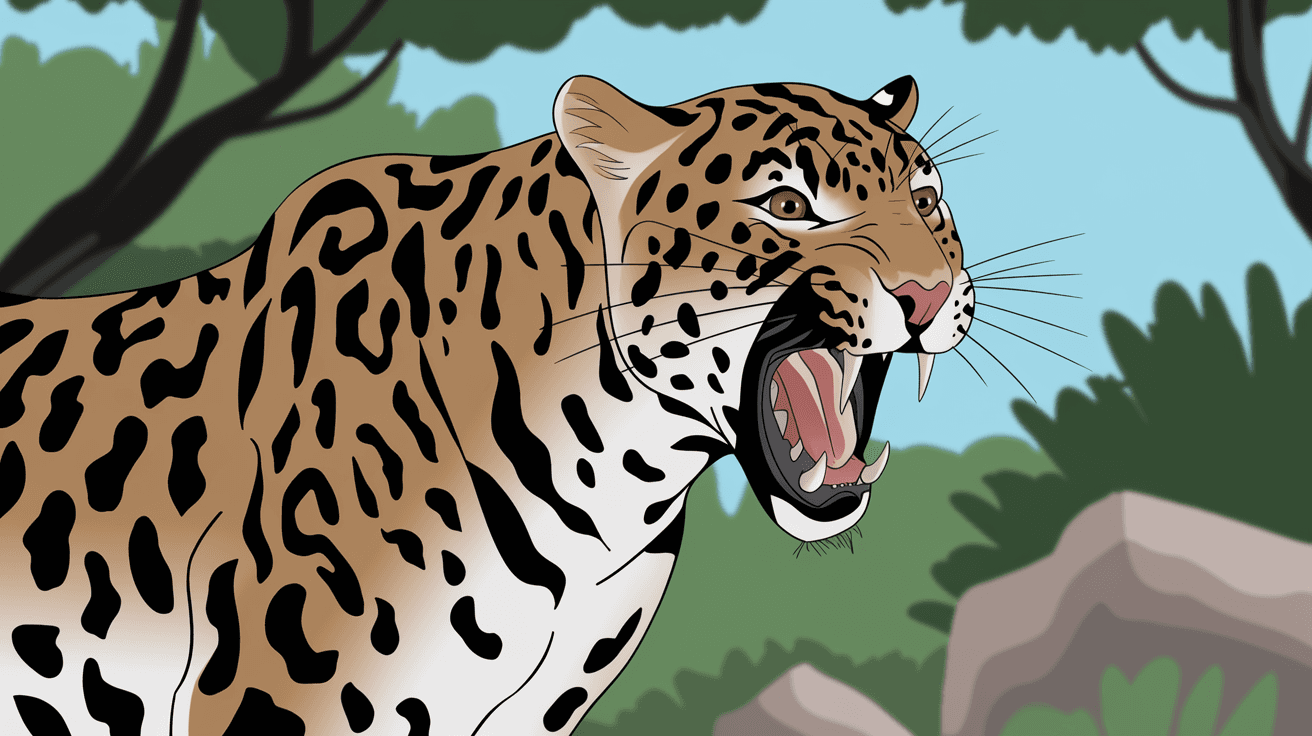
If you’ve ever wondered how many panthers live in India, you’re not alone. Panthers, often called black leopards, are mysterious and beautiful creatures that capture the imagination of many wildlife lovers. India is home to a significant population of these elusive cats, but their numbers can be hard to pin down.
In this article, I’ll take you through the current estimates of panther populations in India, where they live, and what’s being done to protect them. You’ll also learn about the difference between panthers and other big cats in the country. Let’s dive in and explore the world of panthers in India.
Before we talk about numbers, it’s important to understand what a panther actually is. The term "panther" can be confusing because it is used in different ways around the world.
So, when we talk about panthers in India, we are mostly discussing black leopards, a rare and striking form of the leopard species.
Estimating the exact number of panthers in India is challenging because these animals are elusive and mostly nocturnal. However, recent wildlife surveys and camera trap studies give us a good idea.
These numbers are estimates based on field research, sightings, and camera trap data collected by wildlife organizations and the Indian government.
Panthers prefer dense forest habitats where they can hide easily. In India, they are found in several key regions:
These habitats are crucial for the survival of panthers because they offer prey and shelter.
Panthers are rare compared to regular leopards for several reasons:
Because of these factors, panther populations are vulnerable and need protection.
India has taken several steps to protect panthers and their habitats. Here’s what is being done:
These efforts help maintain and possibly increase panther numbers in the wild.
India is home to several big cats, and it’s easy to confuse them. Here’s how panthers stand out:
| Big Cat | Coat Color | Size | Habitat | Panther Status in India |
| Panther | Black (melanistic) | Medium (leopard size) | Dense forests | Rare color variant of leopard |
| Leopard | Spotted (rosettes) | Medium | Forests, grasslands | Common, widespread |
| Tiger | Orange with stripes | Large | Forests, grasslands | Endangered, larger than panthers |
| Asiatic Lion | Tawny yellow | Large | Gir Forest (Gujarat) | Limited to Gir Forest, not melanistic |
Panthers are essentially black leopards, so they share many traits with regular leopards but have a unique look.
Seeing a panther in the wild is a rare and exciting experience. Here are some tips if you want to try:
Remember, panthers are wild animals, so always respect their space and follow park rules.
Panthers have a special place in Indian culture and folklore:
This cultural respect helps in conservation efforts by encouraging local people to protect panthers.
Despite efforts, panthers face ongoing challenges:
Addressing these challenges requires coordinated action from governments, NGOs, and local communities.
You don’t have to be a wildlife expert to support panthers. Here are some ways you can help:
Every small action counts in protecting these beautiful creatures.
Now you know that panthers in India are actually black leopards, a rare and fascinating color variant of the common leopard. Their population is estimated to be between 600 and 1,400, mostly living in dense forests like the Western Ghats and Central India. These elusive cats face threats from habitat loss, poaching, and human conflict, but conservation efforts are helping to protect them.
If you love wildlife, understanding panthers and their role in India’s ecosystems is a great way to connect with nature. By supporting conservation and spreading awareness, you can help ensure that these mysterious black cats continue to roam India’s forests for generations to come.
There are approximately 600 to 1,400 panthers in India. Panthers are black leopards, a rare color variant of the common leopard, and make up about 5-10% of the total leopard population.
Panthers are mostly found in dense forests such as the Western Ghats, Central India, Sundarbans, and parts of Northeast India. These habitats provide the cover they need to survive.
No, panthers are not a separate species. They are leopards with a genetic mutation called melanism, which gives them their black coat.
Panthers face threats like habitat loss, poaching, human-wildlife conflict, and prey depletion. These challenges make their conservation important.
You can help by supporting conservation groups, spreading awareness, avoiding wildlife products, volunteering, and promoting eco-friendly tourism that respects wildlife habitats.