

How Many Oxygen Plants Are There in India?
F
Discover verified facts, data, and insights about India’s states, culture, economy, education, and more — all in one place at FactBharat.
Search for a command to run...
Discover verified facts, data, and insights about India’s states, culture, economy, education, and more — all in one place at FactBharat.
No comments yet. Be the first to comment.
Moving to the USA from India is a dream for many. Whether you want to study, work, or live with family, the process can seem complex. But with the right information, you can plan your move confidently. I’ll guide you through the key steps and options...
Opening a college in India is a dream for many educators and entrepreneurs who want to contribute to the country’s education sector. If you are one of those who want to start a college, you need to understand the process clearly. It involves several ...
Opening a hospital in India is a significant and rewarding venture. If you’ve ever wondered how to start one, you’re in the right place. Whether you’re a healthcare professional, entrepreneur, or investor, understanding the process is crucial. You’ll...
Opening a medical store in India can be a rewarding business opportunity. You get to serve your community by providing essential medicines and healthcare products. If you are thinking about starting a medical store, you might wonder where to begin an...
Opening a restaurant in India can be an exciting and rewarding venture. Whether you dream of serving traditional Indian dishes or international cuisine, the process involves careful planning and understanding of local regulations. If you’re ready to ...
FactBharat | Insights About India
2558 posts
Discover verified facts, data, and insights about India’s states, culture, economy, education, and more — all in one place at FactBharat.
India's healthcare system has seen a significant transformation in recent years, especially in the production and availability of medical oxygen. If you've ever wondered how many oxygen plants are there in India, you're not alone. The demand for oxygen surged during the pandemic, pushing the country to ramp up its oxygen production capabilities rapidly.
In this article, I will walk you through the current landscape of oxygen plants in India. We'll explore the types of oxygen plants, their distribution across states, and how they support both medical and industrial needs. By the end, you'll have a clear understanding of India's oxygen infrastructure and its importance in healthcare and beyond.
Oxygen plants are facilities that produce oxygen gas, which is essential for various uses. In India, the focus is mainly on two types: medical oxygen plants and industrial oxygen plants.
Medical oxygen plants supply oxygen for hospitals and clinics. This oxygen is highly purified and used to treat patients with respiratory issues, especially those suffering from COVID-19 or other lung diseases.
Industrial oxygen plants produce oxygen for manufacturing, welding, and chemical processes. While this oxygen is not always suitable for medical use, it plays a vital role in India's industrial growth.
Understanding these types helps you see how India meets its oxygen needs across different sectors.
India has made remarkable progress in increasing its oxygen production capacity. As of 2025, there are approximately 1,200 oxygen plants across the country. This number includes both medical and industrial oxygen plants.
| Type of Plant | Approximate Number | Primary Use |
| Medical PSA Plants | 800+ | Hospitals and healthcare |
| Cryogenic Oxygen Plants | 200+ | Medical and industrial use |
| Industrial Oxygen Plants | 200+ | Manufacturing and industry |
The government and private sector have worked together to boost these numbers, especially after the oxygen shortages experienced during the COVID-19 pandemic.
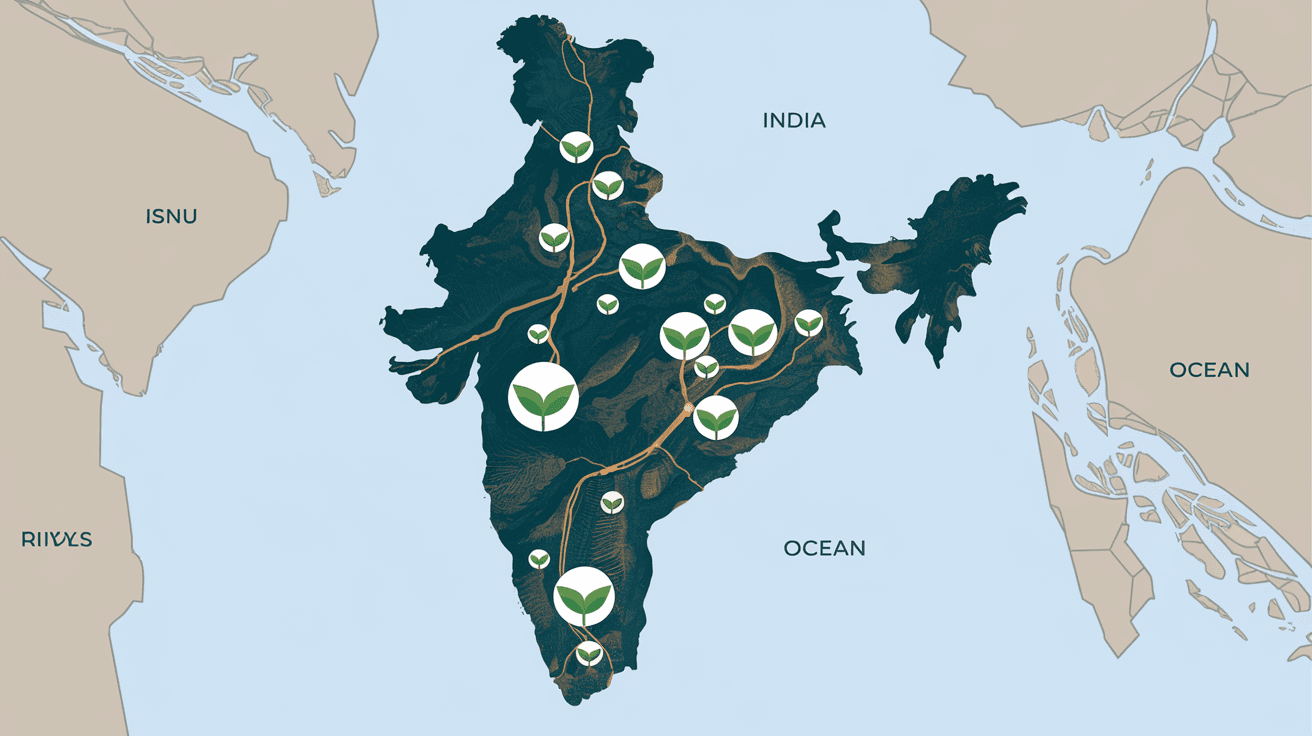
Oxygen plants are not evenly spread across India. Some states have more plants due to their population size, industrial base, and healthcare infrastructure.
This uneven distribution means some regions still face challenges in oxygen availability, but ongoing projects aim to address these gaps.
The COVID-19 pandemic exposed the urgent need for more oxygen. India responded with several initiatives to increase oxygen production quickly.
These combined efforts helped India increase its oxygen production capacity by over 50% within a year.
The rise in oxygen plants has had a direct positive impact on healthcare.
Despite these challenges, the overall healthcare system is stronger and better prepared for respiratory emergencies.
Oxygen is not just for healthcare; it plays a vital role in India's industries.
The growth of industrial oxygen plants supports economic development and job creation.
India plans to continue expanding its oxygen infrastructure to meet future demands.
These steps will help India be better prepared for any future health crises and support industrial growth sustainably.
Now you know that India has around 1,200 oxygen plants, including medical PSA plants, cryogenic units, and industrial plants. These facilities are spread unevenly across states, with Maharashtra, Tamil Nadu, and Karnataka leading in numbers. The pandemic accelerated the growth of oxygen plants, improving healthcare access and saving lives.
Oxygen plants are vital not only for hospitals but also for industries that drive India's economy. With ongoing government initiatives and private sector support, India is strengthening its oxygen infrastructure for a healthier and more prosperous future.
There are over 800 medical PSA oxygen plants in India, mainly supplying hospitals and healthcare centers with purified oxygen.
PSA plants extract oxygen from air at room temperature, suitable for hospitals. Cryogenic plants produce liquid oxygen by cooling air to very low temperatures, used in both medical and industrial sectors.
Maharashtra leads with over 150 oxygen plants, including both medical and industrial types, due to its large population and industrial base.
India fast-tracked approvals, used PM CARES funds to build PSA plants, ran Oxygen Express trains, and involved private companies to boost oxygen production rapidly.
No, oxygen plants also serve industries like steel manufacturing, chemical production, and welding, supporting India's economic growth.