

How Many Oil Refineries Are There in India
F
Discover verified facts, data, and insights about India’s states, culture, economy, education, and more — all in one place at FactBharat.
Search for a command to run...
Discover verified facts, data, and insights about India’s states, culture, economy, education, and more — all in one place at FactBharat.
No comments yet. Be the first to comment.
Moving to the USA from India is a dream for many. Whether you want to study, work, or live with family, the process can seem complex. But with the right information, you can plan your move confidently. I’ll guide you through the key steps and options...
Opening a college in India is a dream for many educators and entrepreneurs who want to contribute to the country’s education sector. If you are one of those who want to start a college, you need to understand the process clearly. It involves several ...
Opening a hospital in India is a significant and rewarding venture. If you’ve ever wondered how to start one, you’re in the right place. Whether you’re a healthcare professional, entrepreneur, or investor, understanding the process is crucial. You’ll...
Opening a medical store in India can be a rewarding business opportunity. You get to serve your community by providing essential medicines and healthcare products. If you are thinking about starting a medical store, you might wonder where to begin an...
Opening a restaurant in India can be an exciting and rewarding venture. Whether you dream of serving traditional Indian dishes or international cuisine, the process involves careful planning and understanding of local regulations. If you’re ready to ...
FactBharat | Insights About India
2558 posts
Discover verified facts, data, and insights about India’s states, culture, economy, education, and more — all in one place at FactBharat.
India is one of the largest consumers of oil in the world. If you’ve ever wondered how the country meets its huge demand for petroleum products, the answer lies in its network of oil refineries. These refineries process crude oil into usable fuels like petrol, diesel, and jet fuel. Understanding how many oil refineries India has and where they are located can give you a clearer picture of the country’s energy infrastructure.
In this article, I’ll walk you through the current number of oil refineries in India, their capacities, and their importance. Whether you’re curious about India’s energy security or just want to know more about how oil reaches your fuel tank, this guide will help you understand the basics and more.
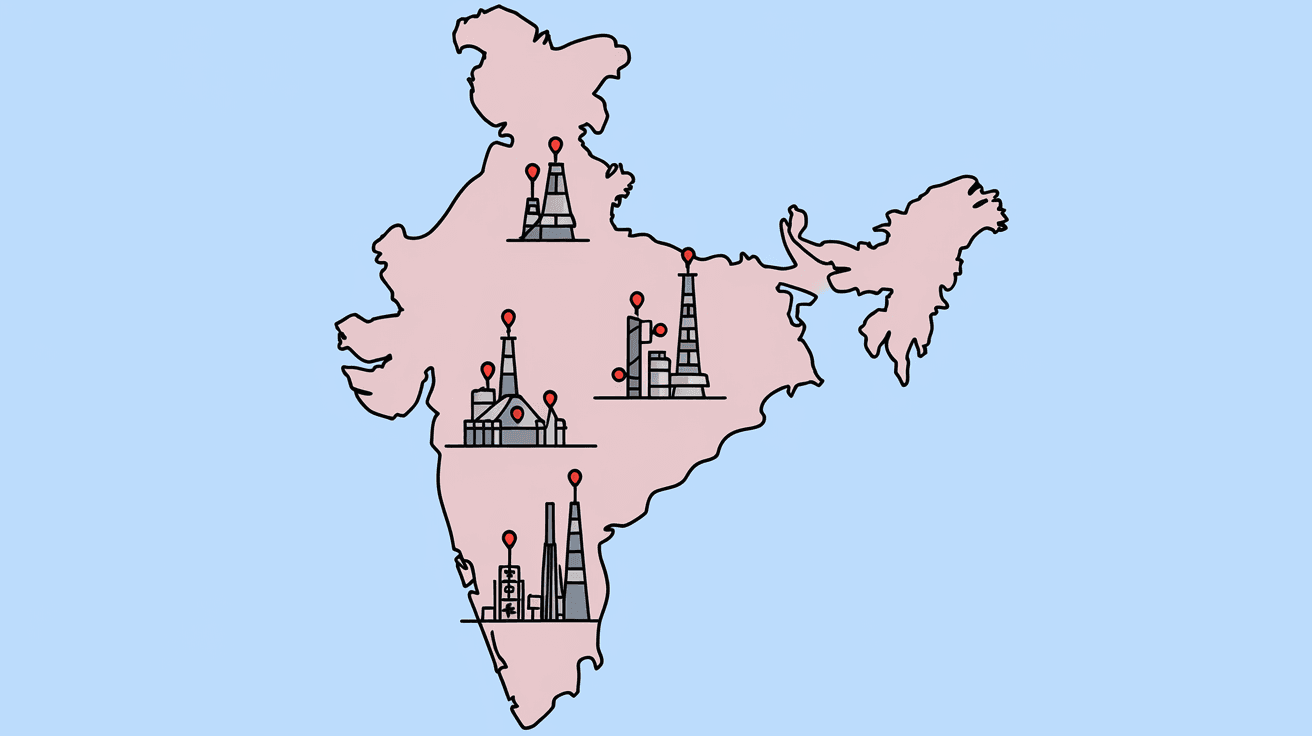
India currently has 23 major oil refineries spread across the country. These refineries are operated by both government-owned and private companies. The combined refining capacity of these refineries is approximately 250 million metric tonnes per annum (MMTPA), making India one of the top refining countries globally.
This mix of ownership helps India maintain a steady supply of petroleum products and supports its growing economy.
India’s oil refineries are strategically located near ports and industrial hubs to facilitate easy import of crude oil and export of refined products. Here are some of the largest and most important refineries:
| Refinery Name | Location | Capacity (MMTPA) | Operator |
| Jamnagar Refinery | Gujarat | 68.2 | Reliance Industries |
| Vadinar Refinery | Gujarat | 30.0 | Nayara Energy |
| Paradip Refinery | Odisha | 15.0 | Indian Oil Corporation |
| Mathura Refinery | Uttar Pradesh | 8.0 | Indian Oil Corporation |
| Kochi Refinery | Kerala | 15.5 | Bharat Petroleum |
| Mumbai Refinery | Maharashtra | 12.0 | Bharat Petroleum |
| Visakhapatnam Refinery | Andhra Pradesh | 8.3 | Hindustan Petroleum |
India’s refining capacity has been growing steadily to meet rising demand. The country imports about 80% of its crude oil, so having large refining capacity is crucial for energy security.
Oil refineries are vital for India’s economy. They provide fuel for transportation, power generation, and industries. Here’s how they impact the country:
Despite these challenges, Indian refineries continue to grow and adapt.
If you’re curious about what happens inside an oil refinery, here’s a simple explanation:
This process turns raw crude oil into the fuels and materials you use every day.
India’s refining industry is evolving with new technologies and market demands. Here are some trends to watch:
These trends will shape how India’s refineries operate in the coming years.
India has a robust network of 23 major oil refineries with a combined capacity of around 250 million metric tonnes per year. These refineries are spread across the country, mostly near coastal and industrial areas, and are operated by both public and private companies. They play a crucial role in meeting India’s energy needs, supporting economic growth, and ensuring energy security.
With ongoing expansions and modernization, India’s refining capacity is set to grow further. The industry is also moving towards greener and more efficient operations. Understanding the number and role of oil refineries helps you appreciate the complex process behind the fuels you use daily and the importance of this sector in India’s development.
India has 23 major oil refineries with a combined refining capacity of about 250 million metric tonnes per annum.
The Jamnagar refinery in Gujarat, operated by Reliance Industries, is the largest single refinery in the world with a capacity of 68.2 MMTPA.
Both. Most refineries are owned by government companies like Indian Oil Corporation, but private firms like Reliance Industries also operate large refineries.
Coastal locations allow easy import of crude oil by ships and facilitate export of refined products, reducing transportation costs.
Green refining technologies, biofuel integration, digitalization, and growth in petrochemical production are key trends shaping the future of India’s refineries.