

How Many NIT Colleges Are There in India
F
Discover verified facts, data, and insights about India’s states, culture, economy, education, and more — all in one place at FactBharat.
Search for a command to run...
Discover verified facts, data, and insights about India’s states, culture, economy, education, and more — all in one place at FactBharat.
No comments yet. Be the first to comment.
Moving to the USA from India is a dream for many. Whether you want to study, work, or live with family, the process can seem complex. But with the right information, you can plan your move confidently. I’ll guide you through the key steps and options...
Opening a college in India is a dream for many educators and entrepreneurs who want to contribute to the country’s education sector. If you are one of those who want to start a college, you need to understand the process clearly. It involves several ...
Opening a hospital in India is a significant and rewarding venture. If you’ve ever wondered how to start one, you’re in the right place. Whether you’re a healthcare professional, entrepreneur, or investor, understanding the process is crucial. You’ll...
Opening a medical store in India can be a rewarding business opportunity. You get to serve your community by providing essential medicines and healthcare products. If you are thinking about starting a medical store, you might wonder where to begin an...
Opening a restaurant in India can be an exciting and rewarding venture. Whether you dream of serving traditional Indian dishes or international cuisine, the process involves careful planning and understanding of local regulations. If you’re ready to ...
FactBharat | Insights About India
2558 posts
Discover verified facts, data, and insights about India’s states, culture, economy, education, and more — all in one place at FactBharat.
When you think about top engineering colleges in India, National Institutes of Technology (NITs) often come to mind. These institutes are known for their quality education, research facilities, and strong industry connections. If you’re wondering how many NIT colleges there are in India, you’re not alone. Many students and parents want to know the exact number and where these prestigious institutes are located.
In this article, I’ll walk you through the current count of NITs in India, their distribution across states, and what makes them stand out. Whether you’re planning to apply or just curious, this guide will give you a clear picture of the NIT landscape in India.
National Institutes of Technology (NITs) are a group of premier public engineering colleges in India. They were established to promote technical education and research across the country. NITs are funded by the Government of India and are recognized as Institutes of National Importance.
Here’s why NITs matter:
Understanding the number and spread of NITs helps you see how accessible quality engineering education is across India.
As of 2025, there are 31 National Institutes of Technology (NITs) spread across India. This number has grown over the years as the government aimed to increase access to quality technical education in different regions.
Here’s a quick overview:
| Number of NITs | Total in India |
| 31 | 31 |
Each NIT is located in a different state or union territory, ensuring a wide geographic distribution. This helps students from various parts of the country access top-tier engineering education without having to move too far from home.
The 31 NITs are strategically placed across India to cover almost every region. This distribution supports regional development and balances educational opportunities.
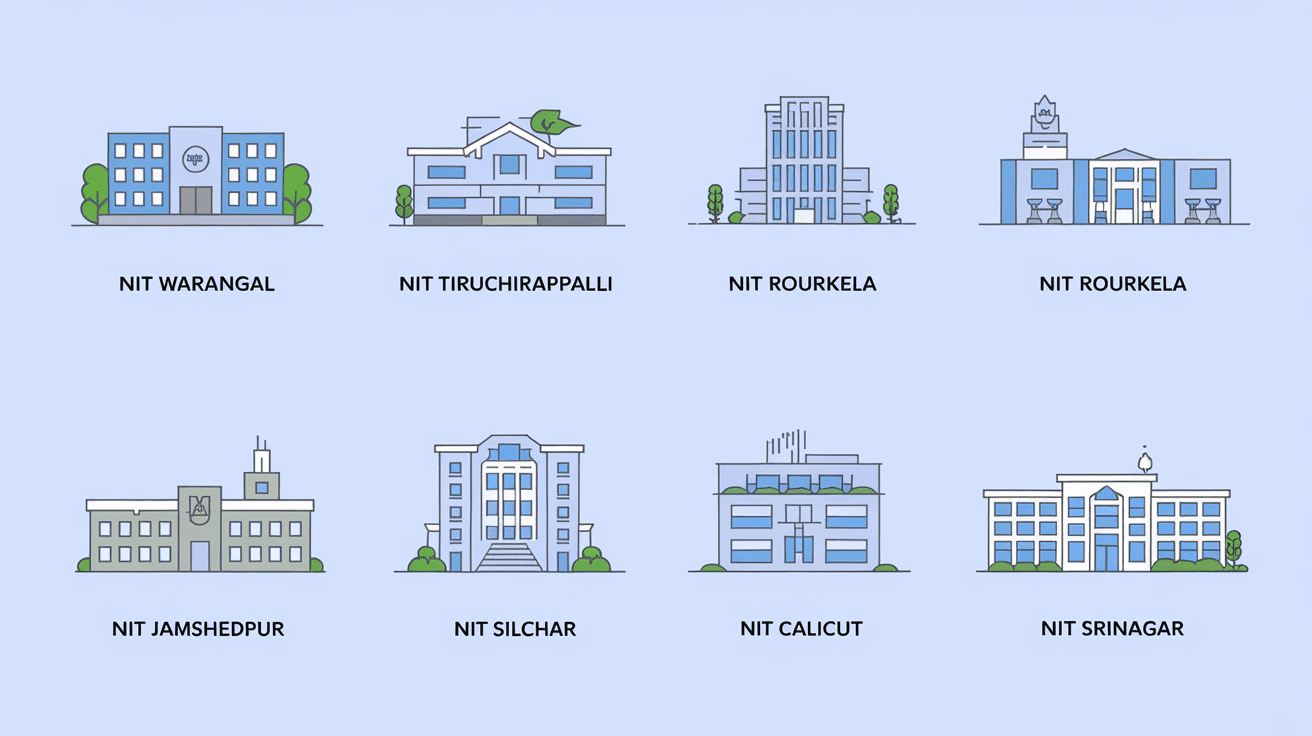
Here’s a list of some prominent NITs and their locations:
The remaining NITs are spread across states like Madhya Pradesh, Rajasthan, Uttarakhand, and others. This wide spread ensures that students from all corners of India have access to these institutes.
Initially, there were only a few NITs. The first few were established in the 1950s and 1960s. Over time, the government expanded the network to meet the growing demand for technical education.
Key milestones in the growth of NITs:
This growth reflects India’s commitment to improving technical education and making it accessible nationwide.
You might wonder how NITs differ from other engineering colleges. Here are some key points:
These factors make NITs a preferred choice for engineering aspirants.
Getting into an NIT is competitive but straightforward if you prepare well. Here’s how you can secure a seat:
Remember, each NIT has a fixed number of seats, and some branches are more competitive than others.
NITs offer a wide range of courses mainly in engineering and technology. Here’s a list of common programs:
The variety of courses allows students to specialize in their areas of interest.
NITs are centrally funded by the Ministry of Education, Government of India. This funding ensures they have the resources to maintain infrastructure, pay faculty, and support research.
Management structure includes:
This centralized funding and management help maintain uniform standards across all NITs.
The government continues to focus on expanding technical education. While there are currently 31 NITs, there are discussions about:
These plans aim to keep NITs competitive globally and meet India’s growing demand for skilled engineers.
Now you know that India has 31 National Institutes of Technology spread across the country. These institutes play a vital role in shaping the future of engineering education in India. Their wide distribution ensures students from all regions can access quality education.
If you’re planning to pursue engineering, NITs should definitely be on your radar. With competitive admissions, diverse courses, and strong industry connections, they offer a great platform for your career. Keep an eye on the latest updates, prepare well for JEE Main, and you could be part of this prestigious group of institutes.
There are 31 National Institutes of Technology (NITs) across India, each located in different states and union territories.
Admission to NITs is through the JEE Main exam, followed by counseling through JoSAA for seat allocation.
Yes, NITs are centrally funded by the Ministry of Education, Government of India.
Most NITs offer similar engineering courses, but some may have unique specializations or additional programs.
NITs are Institutes of National Importance, giving them special recognition and funding from the government.