

How Many Nepali in India
F
Discover verified facts, data, and insights about India’s states, culture, economy, education, and more — all in one place at FactBharat.
Search for a command to run...
Discover verified facts, data, and insights about India’s states, culture, economy, education, and more — all in one place at FactBharat.
No comments yet. Be the first to comment.
Moving to the USA from India is a dream for many. Whether you want to study, work, or live with family, the process can seem complex. But with the right information, you can plan your move confidently. I’ll guide you through the key steps and options...
Opening a college in India is a dream for many educators and entrepreneurs who want to contribute to the country’s education sector. If you are one of those who want to start a college, you need to understand the process clearly. It involves several ...
Opening a hospital in India is a significant and rewarding venture. If you’ve ever wondered how to start one, you’re in the right place. Whether you’re a healthcare professional, entrepreneur, or investor, understanding the process is crucial. You’ll...
Opening a medical store in India can be a rewarding business opportunity. You get to serve your community by providing essential medicines and healthcare products. If you are thinking about starting a medical store, you might wonder where to begin an...
Opening a restaurant in India can be an exciting and rewarding venture. Whether you dream of serving traditional Indian dishes or international cuisine, the process involves careful planning and understanding of local regulations. If you’re ready to ...
FactBharat | Insights About India
2558 posts
Discover verified facts, data, and insights about India’s states, culture, economy, education, and more — all in one place at FactBharat.
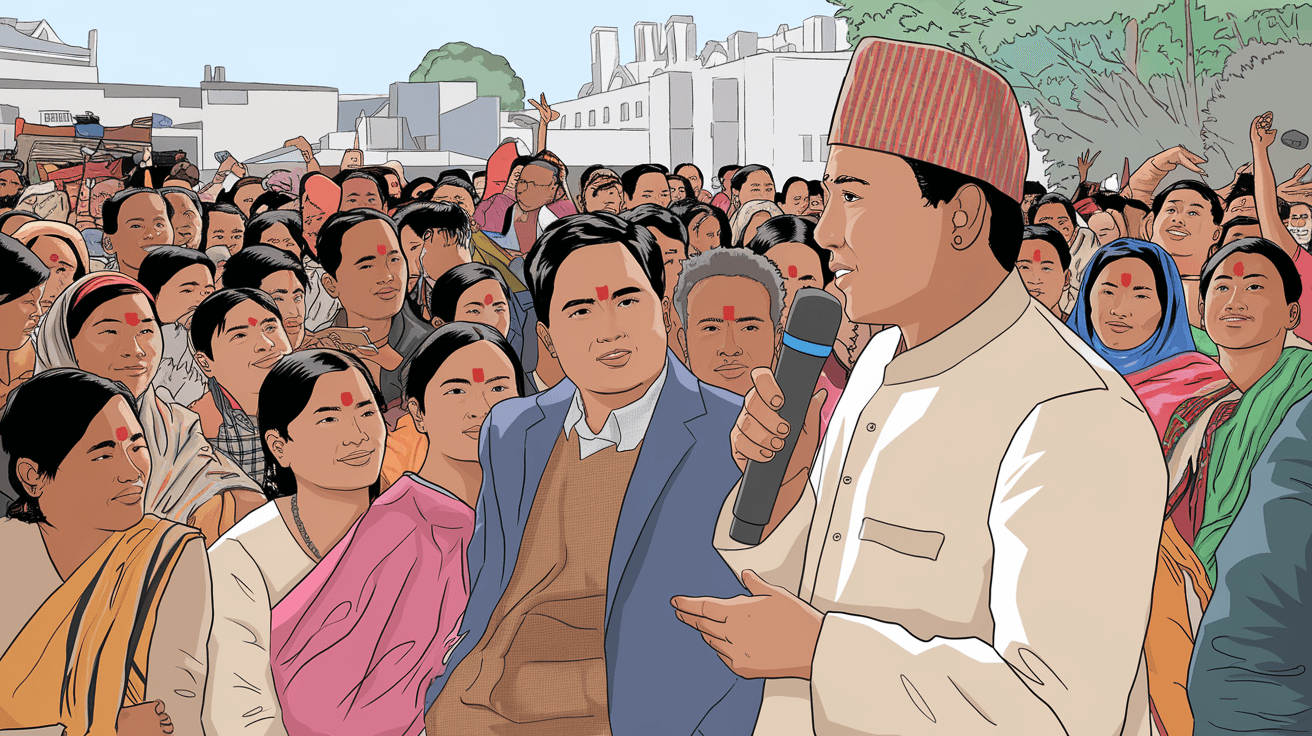
If you’ve ever wondered how many Nepali people live in India, you’re not alone. The Nepali community has a long history in India, with many living, working, and contributing to society across various states. Understanding their population size helps us appreciate their cultural influence and social integration.
In this article, I’ll walk you through the latest facts about the Nepali population in India. We’ll explore where they live, why they migrated, and what their presence means for both countries. Let’s dive in and get a clear picture of this vibrant community.
Estimating the exact number of Nepali people in India can be tricky due to migration patterns and mixed identities. However, recent data and studies provide a good idea of their population size.
This population makes Nepalis one of the largest ethnic groups in certain Indian states, especially in the northeast and northern regions.
Nepali communities are spread across several Indian states, but they are concentrated in specific areas due to historical migration and geographical proximity to Nepal.
Understanding how many Nepali people live in India requires looking at history. The migration of Nepali people to India has been ongoing for centuries.
This history explains why Nepali communities are well-established and integrated into Indian society.
One important aspect is the legal status of Nepali people living in India. Many Nepali-origin people in India hold Indian citizenship, while others are Nepali nationals.
This legal framework shapes the Nepali population’s experience in India.
The Nepali community has enriched India’s cultural landscape in many ways.
This cultural presence helps maintain a strong sense of identity among Nepali people in India.
Nepali people contribute significantly to the Indian economy, especially in certain sectors.
Their economic role is vital in both rural and urban settings.
Despite their contributions, Nepali people in India face some challenges.
Addressing these challenges is important for the well-being of the Nepali community.
Looking ahead, the Nepali population in India is expected to grow and evolve.
Understanding these trends helps us appreciate the dynamic nature of the Nepali presence in India.
Now you have a clearer picture of how many Nepali people live in India and why their presence matters. With nearly 3 million Nepali-speaking individuals, their cultural, economic, and social contributions are significant. They enrich India’s diversity while maintaining strong ties to their heritage.
Whether in the hills of Darjeeling or the streets of Delhi, Nepali people continue to shape the communities they live in. Recognizing their history, challenges, and future helps us appreciate this vibrant group and their role in India’s multicultural fabric.
Approximately 2.9 million Nepali-speaking people live in India, including Indian citizens of Nepali origin and Nepali nationals residing there.
West Bengal (Darjeeling), Sikkim, Assam, Uttarakhand, and Himachal Pradesh have the largest Nepali communities.
Many Nepali-origin people in India hold Indian citizenship, especially those born in India, while others are Nepali nationals living temporarily or permanently.
It is a 1950 agreement allowing citizens of India and Nepal to live and work freely across each other's borders.
They face issues related to citizenship, access to services, political recognition, and social integration in some areas.