

How Many Neighbouring Countries Does India Have
F
Discover verified facts, data, and insights about India’s states, culture, economy, education, and more — all in one place at FactBharat.
Search for a command to run...
Discover verified facts, data, and insights about India’s states, culture, economy, education, and more — all in one place at FactBharat.
No comments yet. Be the first to comment.
Moving to the USA from India is a dream for many. Whether you want to study, work, or live with family, the process can seem complex. But with the right information, you can plan your move confidently. I’ll guide you through the key steps and options...
Opening a college in India is a dream for many educators and entrepreneurs who want to contribute to the country’s education sector. If you are one of those who want to start a college, you need to understand the process clearly. It involves several ...
Opening a hospital in India is a significant and rewarding venture. If you’ve ever wondered how to start one, you’re in the right place. Whether you’re a healthcare professional, entrepreneur, or investor, understanding the process is crucial. You’ll...
Opening a medical store in India can be a rewarding business opportunity. You get to serve your community by providing essential medicines and healthcare products. If you are thinking about starting a medical store, you might wonder where to begin an...
Opening a restaurant in India can be an exciting and rewarding venture. Whether you dream of serving traditional Indian dishes or international cuisine, the process involves careful planning and understanding of local regulations. If you’re ready to ...
FactBharat | Insights About India
2558 posts
Discover verified facts, data, and insights about India’s states, culture, economy, education, and more — all in one place at FactBharat.
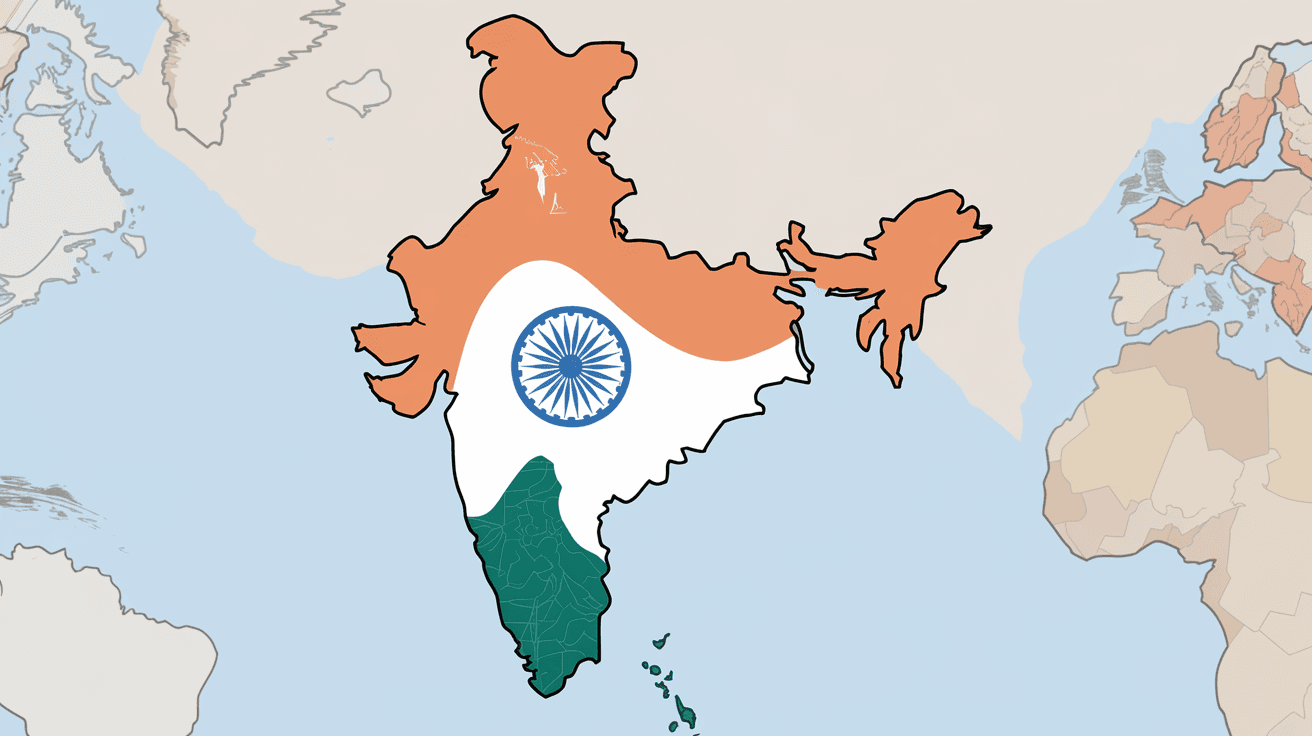
India is a vast country located in South Asia, known for its rich culture and diverse geography. If you’ve ever wondered how many neighbouring countries India has, you’re not alone. Understanding India’s borders helps you appreciate its strategic position and the relationships it shares with its neighbours.
In this article, I’ll walk you through the number of countries that share a border with India. We’ll explore each neighbour, the length of the borders, and some interesting facts about these connections. By the end, you’ll have a clear picture of India’s place in the region and why its neighbours matter.
India shares its land borders with seven countries. These countries are:
This makes India one of the countries with the most neighbours in Asia. The total length of India’s land borders is approximately 15,200 kilometers. This extensive border network influences India’s trade, security, and cultural exchanges.
Let’s look at each of India’s neighbours in detail, including the length of the border and some key facts.
India’s location in South Asia places it at the crossroads of several important regions. Here’s why India has seven neighbouring countries:
Managing borders with seven countries is a complex task. India uses various strategies to maintain security and foster good relations.
While India’s borders bring opportunities, they also come with challenges:
India continues to invest in technology, infrastructure, and diplomacy to address these challenges.
Now you know that India shares its borders with seven countries: Pakistan, China, Nepal, Bhutan, Bangladesh, Myanmar, and Afghanistan. Each neighbour brings unique opportunities and challenges, shaping India’s security, economy, and culture.
Understanding India’s neighbours helps you see why the country plays a vital role in South Asia and beyond. Whether it’s the long border with Bangladesh or the high mountains of China, India’s borders tell a story of diversity and connection. I hope this article gave you a clear and interesting overview of India’s neighbouring countries.
India shares a land border with seven countries: Pakistan, China, Nepal, Bhutan, Bangladesh, Myanmar, and Afghanistan.
Bangladesh shares the longest border with India, measuring about 4,096 kilometers.
Yes, India has an open border with Nepal, allowing free movement of people without visas or passports.
Yes, India has ongoing border disputes with China and Pakistan, particularly in regions like Jammu and Kashmir and Arunachal Pradesh.
The LAC is the de facto border between India and China, separating Indian-controlled and Chinese-controlled territories in disputed areas.