

How Many NEET PG Seats in India
F
Discover verified facts, data, and insights about India’s states, culture, economy, education, and more — all in one place at FactBharat.
Search for a command to run...
Discover verified facts, data, and insights about India’s states, culture, economy, education, and more — all in one place at FactBharat.
No comments yet. Be the first to comment.
Moving to the USA from India is a dream for many. Whether you want to study, work, or live with family, the process can seem complex. But with the right information, you can plan your move confidently. I’ll guide you through the key steps and options...
Opening a college in India is a dream for many educators and entrepreneurs who want to contribute to the country’s education sector. If you are one of those who want to start a college, you need to understand the process clearly. It involves several ...
Opening a hospital in India is a significant and rewarding venture. If you’ve ever wondered how to start one, you’re in the right place. Whether you’re a healthcare professional, entrepreneur, or investor, understanding the process is crucial. You’ll...
Opening a medical store in India can be a rewarding business opportunity. You get to serve your community by providing essential medicines and healthcare products. If you are thinking about starting a medical store, you might wonder where to begin an...
Opening a restaurant in India can be an exciting and rewarding venture. Whether you dream of serving traditional Indian dishes or international cuisine, the process involves careful planning and understanding of local regulations. If you’re ready to ...
FactBharat | Insights About India
2558 posts
Discover verified facts, data, and insights about India’s states, culture, economy, education, and more — all in one place at FactBharat.
If you’re preparing for NEET PG, one of your biggest questions might be: how many seats are actually available in India? Knowing the total number of seats helps you understand your chances and plan your preparation better. You might be wondering about the split between government and private colleges, or how seats are distributed across states.
In this article, I’ll walk you through the current landscape of NEET PG seats in India. We’ll explore the total number of seats, the types of colleges offering them, and what this means for you as a medical postgraduate aspirant. Let’s dive in and get a clear picture of the NEET PG seat scenario.
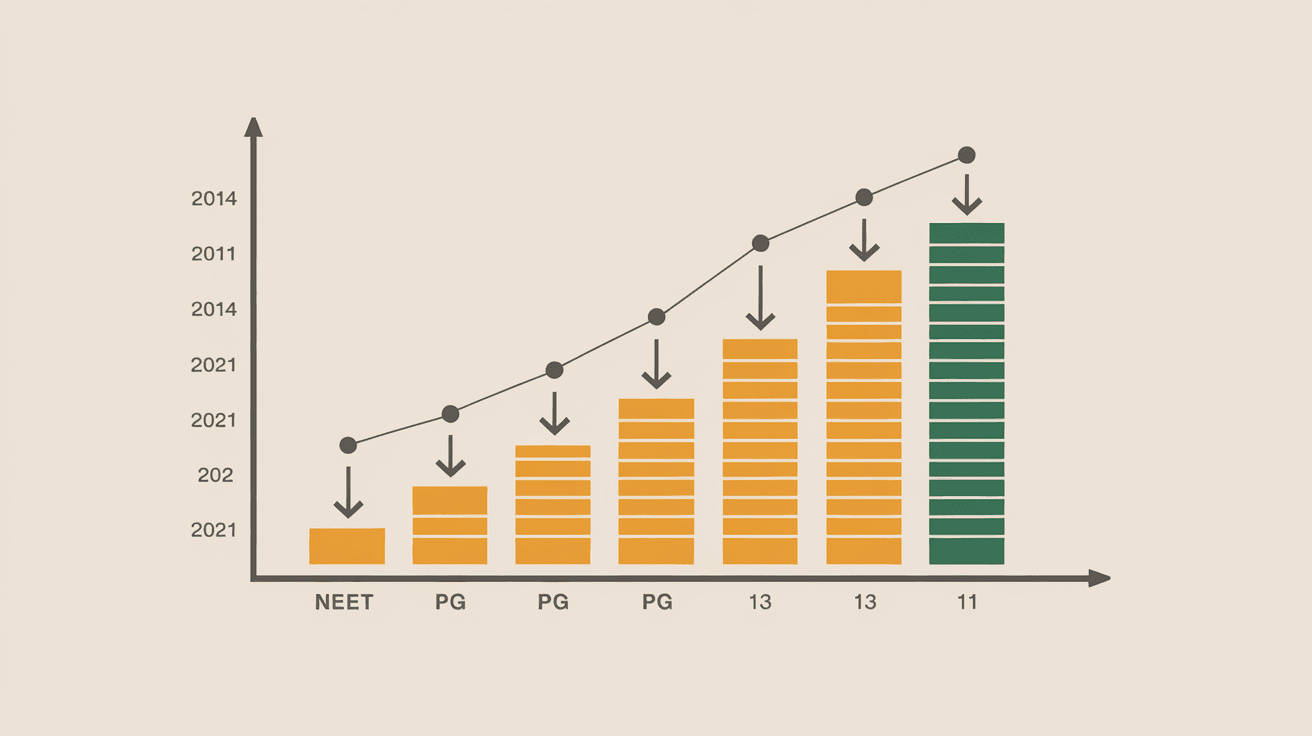
The total number of NEET PG seats in India has been steadily increasing over the years. This growth is due to the rise in the number of medical colleges and the expansion of existing institutions.
This number reflects the combined capacity of all recognized medical colleges under the National Medical Commission (NMC). The increase in seats aims to meet the growing demand for specialist doctors in the country.
Understanding how seats are divided between government and private colleges is crucial for your application strategy.
Government seats are highly competitive due to lower fees and better recognition. Private colleges, while more expensive, offer a significant number of seats, especially in states with many private institutions.
India’s vast geography means NEET PG seats are unevenly distributed across states. Some states have more medical colleges and thus more seats.
Here’s a quick look at seat distribution in key states:
| State | Approximate NEET PG Seats |
| Maharashtra | 6,000 |
| Tamil Nadu | 5,000 |
| Karnataka | 4,000 |
| Uttar Pradesh | 3,500 |
| West Bengal | 3,000 |
| Delhi | 2,500 |
| Telangana | 2,000 |
NEET PG seats are available in various postgraduate courses. The main types are:
Diploma seats are fewer but can be a good option if you want a quicker specialization.
Reservation policies significantly impact seat allocation in NEET PG.
The NEET PG seat matrix has seen some important changes recently:
These trends mean more opportunities for candidates but also increased competition.
With so many seats and options, choosing the right seat can be overwhelming. Here are some tips:
The seat allocation happens through a centralized counseling process conducted by the Medical Counseling Committee (MCC) and respective state authorities.
Being well-prepared for counseling can help you secure the best possible seat.
Now you have a clear understanding of how many NEET PG seats are available in India and how they are distributed. With around 60,000 seats across government and private colleges, the competition is tough but manageable with the right strategy. Knowing the seat types, reservation policies, and state-wise distribution can help you plan better.
Remember, your NEET PG rank, specialty preference, and financial considerations will guide your seat choice. Stay updated with official seat matrices and counseling schedules to maximize your chances. With focused preparation and smart choices, you can secure a seat that fits your goals and kickstart your medical career.
There are about 35,000 NEET PG seats in government medical colleges across India. These seats are highly competitive due to lower fees and better recognition.
The All India Quota (AIQ) reserves 50% of government college seats for candidates from all over India, allowing nationwide competition for these seats.
Yes, diploma seats make up around 10% of total NEET PG seats, but their number is gradually decreasing as MD/MS courses become more prevalent.
State quota reserves 50% of government college seats for candidates who are residents of that state, making domicile status important for seat eligibility.
Many private colleges participate in centralized counseling, but some conduct their own admission processes. It’s important to check each college’s counseling procedure.