

How Many Navodaya Vidyalayas Are There in India
F
Discover verified facts, data, and insights about India’s states, culture, economy, education, and more — all in one place at FactBharat.
Search for a command to run...
Discover verified facts, data, and insights about India’s states, culture, economy, education, and more — all in one place at FactBharat.
No comments yet. Be the first to comment.
Moving to the USA from India is a dream for many. Whether you want to study, work, or live with family, the process can seem complex. But with the right information, you can plan your move confidently. I’ll guide you through the key steps and options...
Opening a college in India is a dream for many educators and entrepreneurs who want to contribute to the country’s education sector. If you are one of those who want to start a college, you need to understand the process clearly. It involves several ...
Opening a hospital in India is a significant and rewarding venture. If you’ve ever wondered how to start one, you’re in the right place. Whether you’re a healthcare professional, entrepreneur, or investor, understanding the process is crucial. You’ll...
Opening a medical store in India can be a rewarding business opportunity. You get to serve your community by providing essential medicines and healthcare products. If you are thinking about starting a medical store, you might wonder where to begin an...
Opening a restaurant in India can be an exciting and rewarding venture. Whether you dream of serving traditional Indian dishes or international cuisine, the process involves careful planning and understanding of local regulations. If you’re ready to ...
FactBharat | Insights About India
2558 posts
Discover verified facts, data, and insights about India’s states, culture, economy, education, and more — all in one place at FactBharat.
If you’ve ever wondered how many Navodaya Vidyalayas are there in India, you’re not alone. These schools have become a vital part of India’s education system, offering quality education to talented students, especially from rural areas. You might be curious about their total number, where they are located, and what makes them special.
In this article, I’ll walk you through the current count of Navodaya Vidyalayas across India. We’ll also explore how they are spread across states, their unique features, and why they matter so much for students and the country’s future.
Navodaya Vidyalayas are a system of schools established by the Government of India. Their main goal is to provide good education to talented children, mostly from rural backgrounds. These schools focus on nurturing students' abilities in academics, sports, and cultural activities.
These schools are unique because they offer a chance for bright students from less privileged areas to access quality education without financial burden.
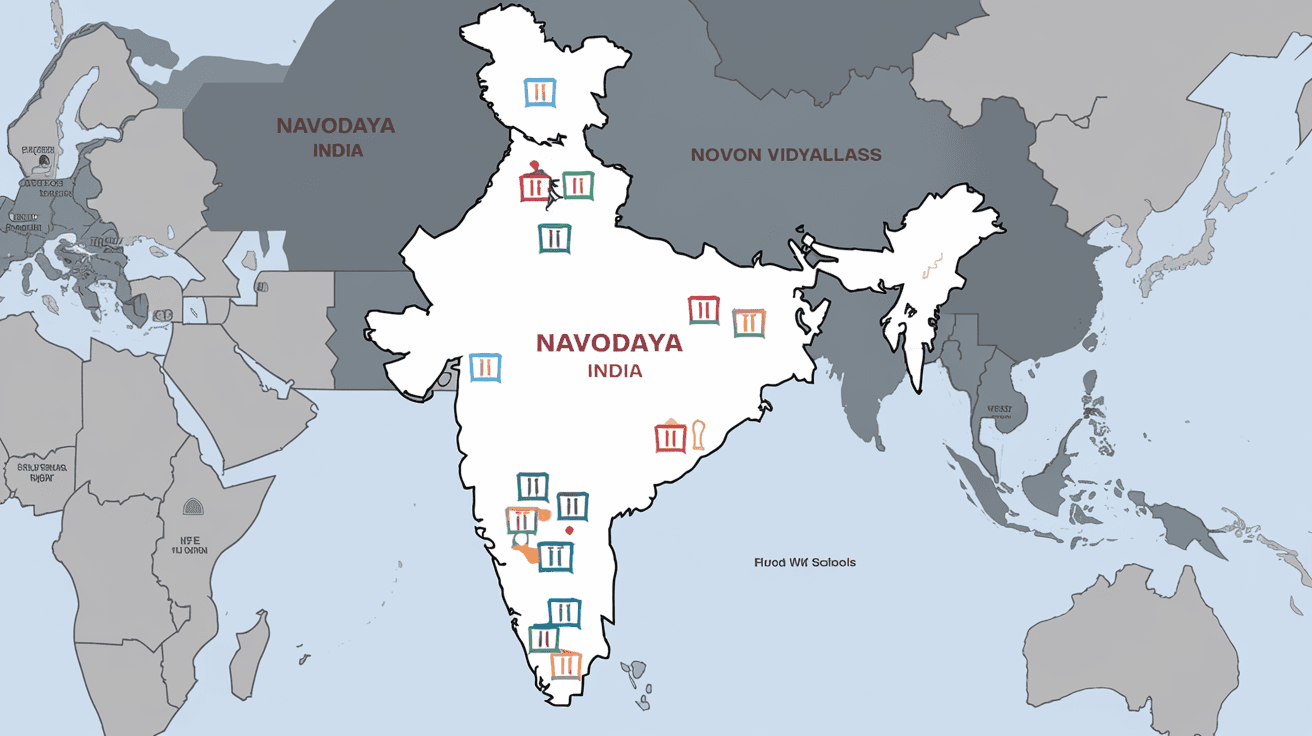
As of 2025, there are 661 Navodaya Vidyalayas spread across India. This number includes schools in all states and union territories where the Navodaya Vidyalaya Samiti operates.
This widespread presence ensures that talented students from remote and rural areas get equal opportunities to excel.
The distribution of Navodaya Vidyalayas is designed to cover all parts of India fairly. Here’s how they are spread:
| Region | Approximate Number of Schools |
| Northern India | 150+ |
| Southern India | 130+ |
| Eastern India | 100+ |
| Western India | 120+ |
| North-Eastern India | 60+ |
This distribution helps in promoting regional balance and cultural exchange among students.
The government selects locations for Navodaya Vidyalayas based on several factors:
Once a site is selected, the Navodaya Vidyalaya Samiti coordinates with local authorities to set up the school. The focus is always on accessibility for rural students.
Navodaya Vidyalayas stand out because of their special features:
These features make Navodaya Vidyalayas a model for inclusive and quality education.
Admission to Navodaya Vidyalayas is through the JNVST exam, which is held every year for students seeking entry into Class 6.
This process ensures that talented students get selected fairly and transparently.
Navodaya Vidyalayas have made a significant impact on education in India:
The success of Navodaya Vidyalayas shows how focused government initiatives can transform education.
Despite their success, Navodaya Vidyalayas face some challenges:
Looking ahead, the government plans to increase the number of Navodaya Vidyalayas and improve facilities. Digital learning and skill development programs are also being introduced to keep pace with modern education needs.
Compared to regular government schools and private schools, Navodaya Vidyalayas offer:
While private schools may offer more resources, Navodaya Vidyalayas provide quality education without cost, especially benefiting rural students.
Now you know that there are 661 Navodaya Vidyalayas across India, each playing a crucial role in nurturing rural talent. These schools are spread throughout the country, ensuring that students from all corners get access to quality education. Their unique residential setup, free education, and focus on social integration make them a standout model.
If you or someone you know is looking for a great educational opportunity in a rural area, Navodaya Vidyalayas are definitely worth considering. They continue to grow and evolve, promising a brighter future for India’s young minds.
There are currently 661 Navodaya Vidyalayas across India, covering almost every district to provide quality education to rural students.
Admission is through the Jawahar Navodaya Vidyalaya Selection Test (JNVST), mainly for Class 6 students, focusing on mental ability, arithmetic, and language skills.
Yes, Navodaya Vidyalayas provide free education, including boarding, lodging, uniforms, and study materials.
States like Uttar Pradesh, Madhya Pradesh, and Maharashtra have the highest number of Navodaya Vidyalayas due to their large rural populations.
Priority is given to rural students, but urban students can apply if they meet the eligibility criteria and pass the entrance exam.