

How Many Nationalized Banks Are There in India
F
Discover verified facts, data, and insights about India’s states, culture, economy, education, and more — all in one place at FactBharat.
Search for a command to run...
Discover verified facts, data, and insights about India’s states, culture, economy, education, and more — all in one place at FactBharat.
No comments yet. Be the first to comment.
Moving to the USA from India is a dream for many. Whether you want to study, work, or live with family, the process can seem complex. But with the right information, you can plan your move confidently. I’ll guide you through the key steps and options...
Opening a college in India is a dream for many educators and entrepreneurs who want to contribute to the country’s education sector. If you are one of those who want to start a college, you need to understand the process clearly. It involves several ...
Opening a hospital in India is a significant and rewarding venture. If you’ve ever wondered how to start one, you’re in the right place. Whether you’re a healthcare professional, entrepreneur, or investor, understanding the process is crucial. You’ll...
Opening a medical store in India can be a rewarding business opportunity. You get to serve your community by providing essential medicines and healthcare products. If you are thinking about starting a medical store, you might wonder where to begin an...
Opening a restaurant in India can be an exciting and rewarding venture. Whether you dream of serving traditional Indian dishes or international cuisine, the process involves careful planning and understanding of local regulations. If you’re ready to ...
FactBharat | Insights About India
2558 posts
Discover verified facts, data, and insights about India’s states, culture, economy, education, and more — all in one place at FactBharat.
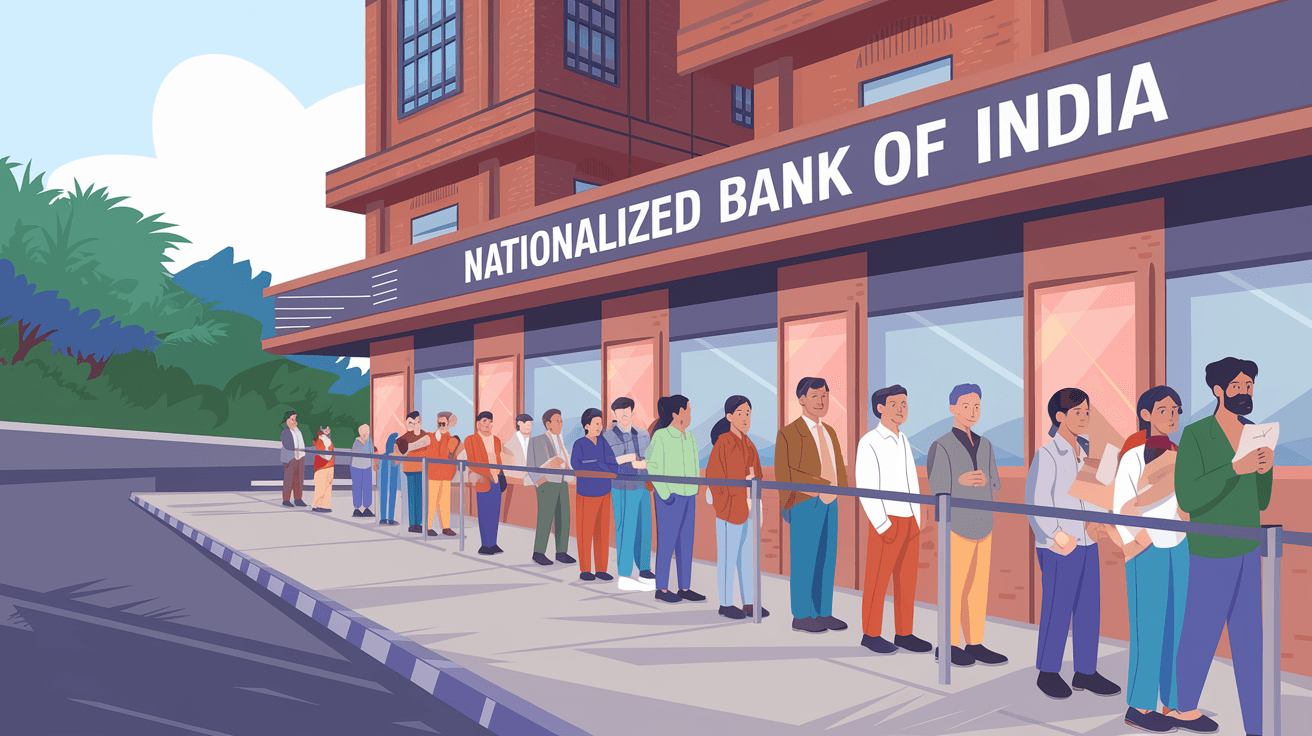
Understanding the banking system in India can sometimes feel overwhelming. You might wonder, "How many nationalized banks are there in India?" or "What role do these banks play in the economy?" If you’re curious about the structure of Indian banks, you’re in the right place. I’ll walk you through the current number of nationalized banks, their history, and why they matter to you and the country.
Nationalized banks have been a backbone of India’s financial system for decades. They serve millions of people, especially in rural and semi-urban areas. Knowing how many such banks exist today helps you understand the banking landscape better, whether you’re a student, a customer, or just someone interested in India’s economy.
Nationalized banks are banks that the government owns either fully or partially. In India, these banks were taken over by the government to ensure better control over the economy and to promote financial inclusion. The idea was to make banking accessible to everyone, especially the poor and farmers.
Here’s what makes nationalized banks special:
The government’s control helps these banks serve national interests, such as supporting agriculture, small businesses, and infrastructure projects.
As of 2025, India has 12 nationalized banks. This number has changed over time due to mergers and restructuring. Earlier, there were 20 nationalized banks, but the government merged several banks to create stronger and more efficient entities.
Here’s a list of the current nationalized banks:
| Bank Name | Year of Nationalization | Headquarters |
| State Bank of India (SBI) | 1955 (as a government bank) | Mumbai |
| Punjab National Bank (PNB) | 1969 | New Delhi |
| Bank of Baroda | 1969 | Vadodara |
| Canara Bank | 1969 | Bengaluru |
| Union Bank of India | 1969 | Mumbai |
| Indian Bank | 1969 | Chennai |
| Bank of India | 1969 | Mumbai |
| Central Bank of India | 1969 | Mumbai |
| Indian Overseas Bank | 1969 | Chennai |
| UCO Bank | 1969 | Kolkata |
| Punjab & Sind Bank | 1969 | New Delhi |
| Bank of Maharashtra | 1969 | Pune |
These banks are now part of the government’s plan to strengthen the banking sector and improve financial services across the country.
The nationalization of banks in India happened in two major phases:
In 1969, the government nationalized 14 major commercial banks. This move was aimed at controlling credit delivery and ensuring that banks supported the government’s social and economic goals. The banks nationalized in this phase included Punjab National Bank, Bank of Baroda, Canara Bank, and others.
In 1980, six more banks were nationalized to further extend banking services to rural and semi-urban areas. This phase included banks like Punjab & Sind Bank.
Over the years, the government has merged some nationalized banks to create larger, more competitive banks. For example:
These mergers reduced the total number of nationalized banks but made them stronger and more efficient.
Nationalized banks play a crucial role in India’s economy. They are not just profit-making entities but also instruments of social change. Here’s how they contribute:
Because of their wide reach and government backing, nationalized banks are trusted by millions of Indians.
You might wonder how nationalized banks differ from private banks. Here are some key differences:
| Feature | Nationalized Banks | Private Banks |
| Ownership | Government-owned | Owned by private entities |
| Focus | Social welfare and economic growth | Profit maximization |
| Branch Network | Extensive, including rural areas | Mostly urban and metro areas |
| Loan Priority | Agriculture, SMEs, priority sectors | Corporate and retail sectors |
| Interest Rates | Often lower on loans | Competitive but higher sometimes |
| Customer Service | Improving but sometimes slower | Generally faster and tech-savvy |
Both types of banks have their place, but nationalized banks are essential for inclusive growth.
If you want to know whether a bank is nationalized, here are some tips:
Knowing this helps you choose the right bank for your needs.
The government’s decision to merge banks has several effects:
Overall, mergers aim to create a more resilient banking system that can support India’s growing economy.
The future looks promising for nationalized banks. The government continues to focus on:
With ongoing reforms, nationalized banks will remain vital players in India’s financial landscape.
Now you know that India currently has 12 nationalized banks. These banks have a rich history and play a key role in supporting the country’s economy. From helping farmers to financing small businesses, they ensure that banking reaches every corner of India.
Understanding nationalized banks helps you appreciate their importance beyond just banking transactions. Whether you’re a customer or just curious, knowing about these banks gives you insight into how India’s economy functions and grows.
Before recent mergers, India had 20 nationalized banks. The government merged several to strengthen the sector, reducing the number to 12.
Most nationalized banks are majority-owned by the government, usually holding more than 50% shares, ensuring control over their operations.
Yes, some nationalized banks like State Bank of India and Punjab National Bank have branches and offices abroad.
Absolutely. Nationalized banks have invested heavily in digital platforms to provide online banking, mobile apps, and other tech services.
They provide affordable loans, crop insurance, and financial advice to farmers, helping improve agricultural productivity and income.