

How Many National Waterways Are There in India
F
Discover verified facts, data, and insights about India’s states, culture, economy, education, and more — all in one place at FactBharat.
Search for a command to run...
Discover verified facts, data, and insights about India’s states, culture, economy, education, and more — all in one place at FactBharat.
No comments yet. Be the first to comment.
Moving to the USA from India is a dream for many. Whether you want to study, work, or live with family, the process can seem complex. But with the right information, you can plan your move confidently. I’ll guide you through the key steps and options...
Opening a college in India is a dream for many educators and entrepreneurs who want to contribute to the country’s education sector. If you are one of those who want to start a college, you need to understand the process clearly. It involves several ...
Opening a hospital in India is a significant and rewarding venture. If you’ve ever wondered how to start one, you’re in the right place. Whether you’re a healthcare professional, entrepreneur, or investor, understanding the process is crucial. You’ll...
Opening a medical store in India can be a rewarding business opportunity. You get to serve your community by providing essential medicines and healthcare products. If you are thinking about starting a medical store, you might wonder where to begin an...
Opening a restaurant in India can be an exciting and rewarding venture. Whether you dream of serving traditional Indian dishes or international cuisine, the process involves careful planning and understanding of local regulations. If you’re ready to ...
FactBharat | Insights About India
2558 posts
Discover verified facts, data, and insights about India’s states, culture, economy, education, and more — all in one place at FactBharat.
India's vast network of rivers and canals offers a unique way to transport goods and people. If you've ever wondered about the number of national waterways in India, you're not alone. Understanding this can give you insight into the country's efforts to boost inland water transport and reduce road congestion.
In this article, I'll walk you through the current count of national waterways in India, their importance, and how they are shaping the future of transportation. Whether you're curious about logistics, environmental benefits, or infrastructure, this guide will cover it all.
National waterways are specific stretches of rivers, canals, and backwaters designated by the government for inland water transport. These waterways are developed and maintained to facilitate the movement of cargo and passengers efficiently.
India’s national waterways are managed by the Inland Waterways Authority of India (IWAI), which oversees their development and regulation.
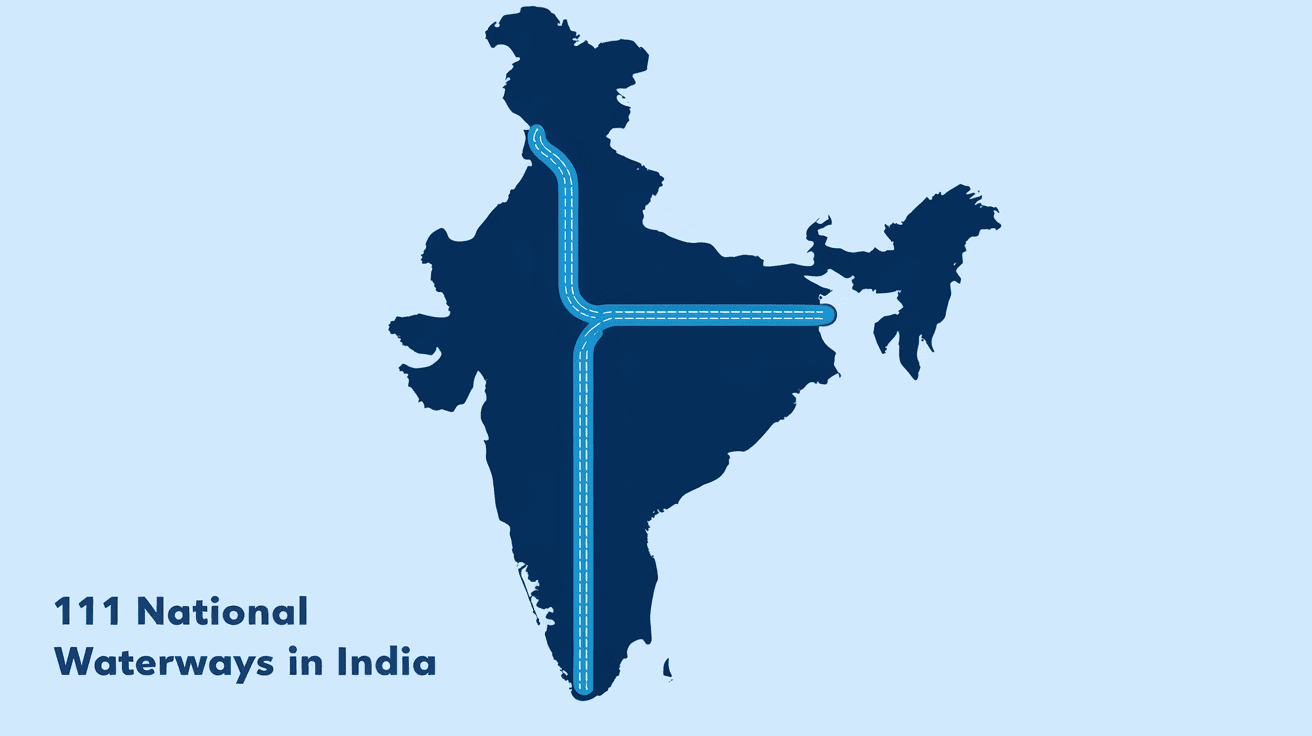
As of 2025, India has 111 national waterways officially declared by the government. This number has grown significantly over the past decade, reflecting the country's focus on enhancing inland water transport.
This expansion aims to tap into India's extensive river network, making transportation more sustainable and cost-effective.
The first five national waterways were declared in the 1980s and early 1990s. They remain the most developed and heavily used waterways in India.
National Waterway 1 (NW-1)
National Waterway 2 (NW-2)
National Waterway 3 (NW-3)
National Waterway 4 (NW-4)
National Waterway 5 (NW-5)
These waterways have seen significant investment in infrastructure like terminals, jetties, and dredging to maintain navigability.
The expansion from 5 to 111 national waterways is a strategic move by the Indian government. Here’s why it matters:
The government’s vision includes integrating waterways with other transport modes, creating a seamless logistics network.
Among the 111 declared waterways, several others are gaining attention for their potential:
These waterways are in various stages of development, with plans for dredging, terminal construction, and navigation aids.
Despite the benefits, developing national waterways in India faces some challenges:
The government and IWAI are working on solutions like river training, dredging technology, and better coordination mechanisms.
National waterways do more than move goods; they affect the lives of people living nearby:
However, it’s important to ensure that waterway projects respect local rights and environmental standards.
Looking ahead, national waterways are set to play a bigger role in India’s transport landscape:
The government’s focus on “Sagarmala” and “Jal Marg Vikas” projects highlights the commitment to inland waterways.
If you are a business owner, traveler, or environmental enthusiast, national waterways offer several advantages:
Keeping an eye on waterway developments can help you make informed decisions.
India currently has 111 national waterways, a number that reflects the country’s growing focus on inland water transport. These waterways offer a cost-effective, eco-friendly alternative to road and rail transport. From the first five major waterways to the newly declared ones, each plays a vital role in connecting regions and boosting trade.
While challenges remain, ongoing government initiatives and technological advancements promise a bright future for national waterways. Whether you’re involved in business, travel, or environmental efforts, understanding these waterways can help you appreciate their impact on India’s economy and sustainability.
India has 111 national waterways declared by the government, covering over 20,000 kilometers of navigable routes.
The Inland Waterways Authority of India (IWAI) is responsible for developing and managing national waterways.
They offer lower costs, reduce road congestion, are environmentally friendly, and improve connectivity to remote areas.
National Waterway 1 (NW-1), running along the Ganges-Bhagirathi-Hooghly river system, is the longest at 1,620 kilometers.
Yes, many waterways support passenger transport, including tourism and local commuting, besides cargo movement.