

How Many Museums Are There in India
F
Discover verified facts, data, and insights about India’s states, culture, economy, education, and more — all in one place at FactBharat.
Search for a command to run...
Discover verified facts, data, and insights about India’s states, culture, economy, education, and more — all in one place at FactBharat.
No comments yet. Be the first to comment.
Moving to the USA from India is a dream for many. Whether you want to study, work, or live with family, the process can seem complex. But with the right information, you can plan your move confidently. I’ll guide you through the key steps and options...
Opening a college in India is a dream for many educators and entrepreneurs who want to contribute to the country’s education sector. If you are one of those who want to start a college, you need to understand the process clearly. It involves several ...
Opening a hospital in India is a significant and rewarding venture. If you’ve ever wondered how to start one, you’re in the right place. Whether you’re a healthcare professional, entrepreneur, or investor, understanding the process is crucial. You’ll...
Opening a medical store in India can be a rewarding business opportunity. You get to serve your community by providing essential medicines and healthcare products. If you are thinking about starting a medical store, you might wonder where to begin an...
Opening a restaurant in India can be an exciting and rewarding venture. Whether you dream of serving traditional Indian dishes or international cuisine, the process involves careful planning and understanding of local regulations. If you’re ready to ...
FactBharat | Insights About India
2558 posts
Discover verified facts, data, and insights about India’s states, culture, economy, education, and more — all in one place at FactBharat.
India is a land rich in history, culture, and art. If you love exploring museums, you might wonder, how many museums are there in India? Museums are important because they preserve our heritage and tell stories of the past. They showcase everything from ancient artifacts to modern art, giving us a glimpse into India’s diverse culture.
In this article, I’ll take you through the number of museums in India, the different types you can find, and some famous examples. Whether you’re a traveler, student, or just curious, this guide will help you understand India’s vast museum landscape and why it matters.
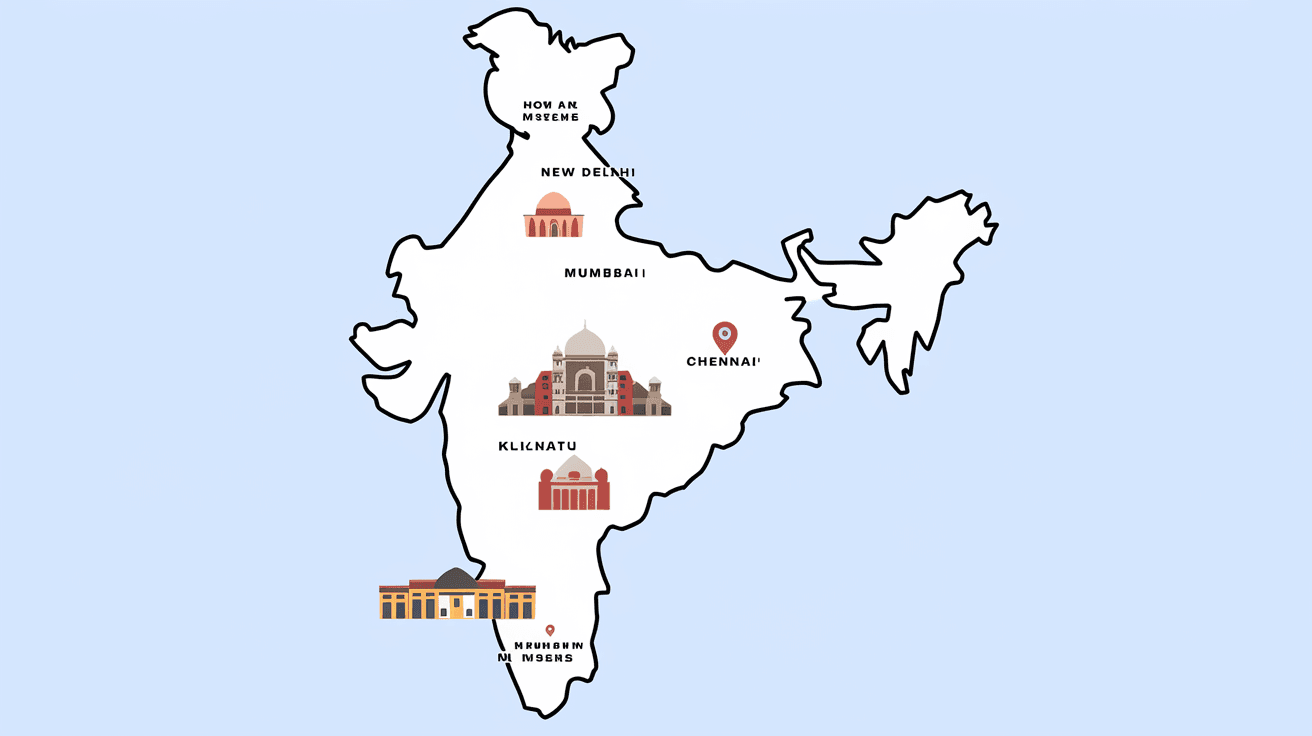
India has a large number of museums spread across its states and union territories. According to the Ministry of Culture and various heritage organizations, there are over 1,200 museums in India. This number includes government-run, private, and specialized museums.
The museums vary widely in size and focus. Some are small local museums preserving regional history, while others are large national museums with extensive collections. The diversity of museums reflects India’s rich cultural and historical tapestry.
India’s museums cover a wide range of themes. Here are some common types you’ll find:
Art museums display paintings, sculptures, and crafts from different periods. They often highlight traditional Indian art forms like Madhubani, Warli, and Mughal miniatures.
These museums focus on India’s ancient civilizations, archaeological finds, and historical events.
Science museums aim to educate visitors about scientific principles and technological advances.
Natural history museums display collections related to flora, fauna, geology, and paleontology.
India has a rich tribal culture, and many museums focus on preserving tribal art, crafts, and traditions.
If you want to visit some of the most famous museums in India, here are a few must-see places:
| Museum Name | Location | Highlights |
| National Museum | New Delhi | Artifacts from prehistoric to modern India |
| Indian Museum | Kolkata | Archaeology, art, and natural history |
| Salar Jung Museum | Hyderabad | One of the largest art museums in India |
| Chhatrapati Shivaji Maharaj Vastu Sangrahalaya | Mumbai | Art, archaeology, and natural history |
| Victoria Memorial Museum | Kolkata | British colonial history and art |
These museums attract millions of visitors every year and are important cultural landmarks.
Museums play a crucial role in preserving India’s heritage. Here’s why they matter:
Despite their importance, museums in India face several challenges:
Efforts are ongoing to improve museum infrastructure and promote cultural tourism.
If you want to visit museums in India, here are some tips:
Exploring museums is a great way to learn about India’s history and culture firsthand.
The museum sector in India is evolving rapidly. New museums are being built, and existing ones are upgrading their facilities. Digital technology is playing a big role:
The government and private organizations are investing in museum development to preserve India’s heritage and promote cultural education.
India has over 1,200 museums, each telling a unique story about the country’s rich history, art, and culture. From national museums to small tribal galleries, these institutions preserve the past and educate the present. Visiting museums in India offers a fascinating journey through time and tradition.
While challenges remain, the future looks bright with modernization and digital innovation. Whether you are a history buff, art lover, or curious traveler, exploring India’s museums will deepen your appreciation of this incredible nation.
India has more than 1,200 museums, including national, state, private, and specialized museums spread across the country.
The Indian Museum in Kolkata, established in 1814, is the oldest and one of the largest museums in India.
The Salar Jung Museum in Hyderabad is one of the largest art museums, housing a vast collection of art and antiques.
Yes, India has several science museums like Science City in Kolkata and the Visvesvaraya Industrial and Technological Museum in Bangalore.
You can search online using museum directories, tourism websites, or apps that list museums by city or state. Local tourism offices also provide information.