

How Many Mints Are There in India?
F
Discover verified facts, data, and insights about India’s states, culture, economy, education, and more — all in one place at FactBharat.
Search for a command to run...
Discover verified facts, data, and insights about India’s states, culture, economy, education, and more — all in one place at FactBharat.
No comments yet. Be the first to comment.
Moving to the USA from India is a dream for many. Whether you want to study, work, or live with family, the process can seem complex. But with the right information, you can plan your move confidently. I’ll guide you through the key steps and options...
Opening a college in India is a dream for many educators and entrepreneurs who want to contribute to the country’s education sector. If you are one of those who want to start a college, you need to understand the process clearly. It involves several ...
Opening a hospital in India is a significant and rewarding venture. If you’ve ever wondered how to start one, you’re in the right place. Whether you’re a healthcare professional, entrepreneur, or investor, understanding the process is crucial. You’ll...
Opening a medical store in India can be a rewarding business opportunity. You get to serve your community by providing essential medicines and healthcare products. If you are thinking about starting a medical store, you might wonder where to begin an...
Opening a restaurant in India can be an exciting and rewarding venture. Whether you dream of serving traditional Indian dishes or international cuisine, the process involves careful planning and understanding of local regulations. If you’re ready to ...
FactBharat | Insights About India
2558 posts
Discover verified facts, data, and insights about India’s states, culture, economy, education, and more — all in one place at FactBharat.
India has a rich history of coin production, dating back thousands of years. Today, the country continues this tradition with modern mints that produce coins for everyday use. If you’ve ever wondered how many mints are in India and what role they play, you’re in the right place. I’ll walk you through the current number of mints, their locations, and why they matter to the Indian economy.
Understanding the number and function of mints in India helps you appreciate how currency is managed and produced. Whether you’re curious about the coins in your pocket or interested in the history of Indian currency, this article will give you clear and detailed insights.
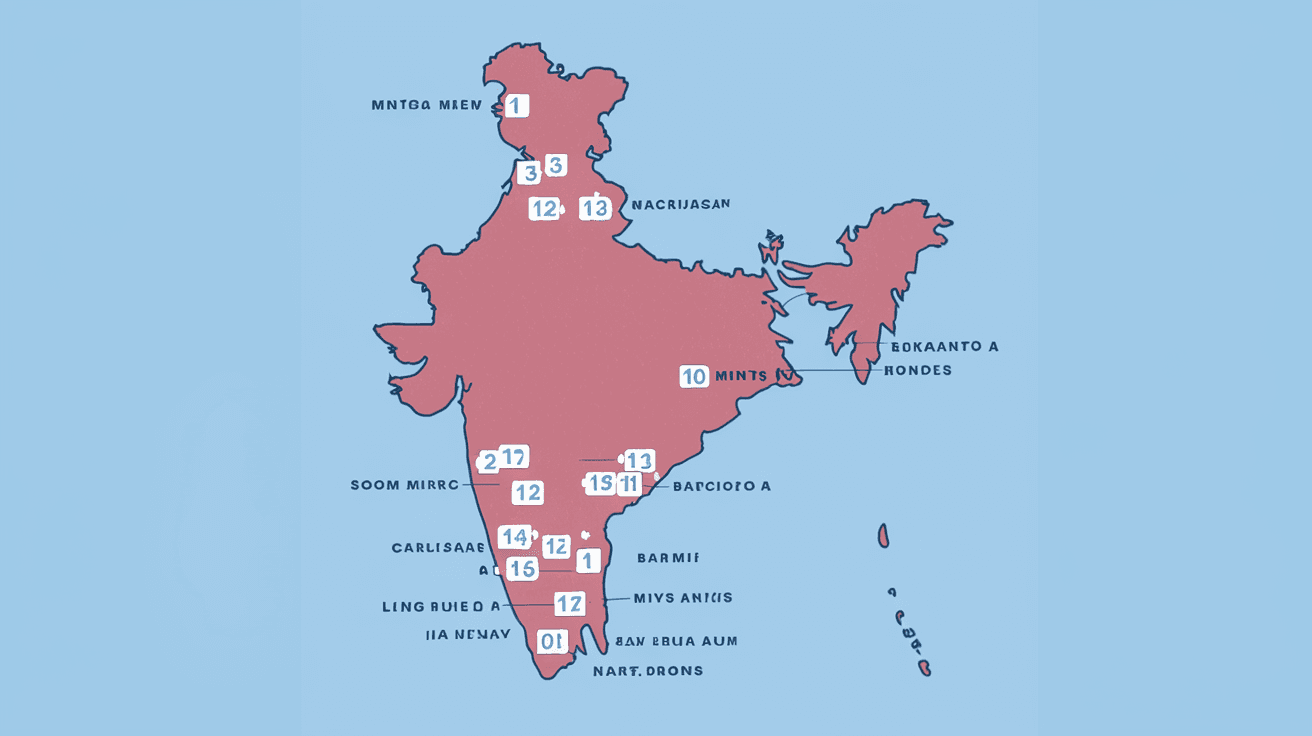
India currently has four active mints that produce coins for circulation. These mints are spread across the country to efficiently serve different regions and meet the demand for currency. The four mints are:
Each mint is responsible for producing coins of various denominations and special commemorative coins. Together, they ensure that India’s currency needs are met smoothly.
The Mumbai Mint is one of the oldest and most prominent mints in India. Established during the British era, it has been producing coins for over a century. It serves the western region of India and is known for its high-quality coin production.
Located in the eastern part of India, the Kolkata Mint has a long history as well. It was established in the 18th century and continues to produce coins for the eastern states. It also plays a role in producing commemorative coins for special occasions.
The Noida Mint is the newest among the four and was established to meet the growing demand for coins in northern India. It uses modern technology and machinery to produce coins efficiently.
The Hyderabad Mint serves the southern region of India. It was set up to decentralize coin production and reduce the load on other mints. It also produces coins with advanced security features.
Mints in India are responsible for producing coins that are used in daily transactions. Their role goes beyond just making coins; they ensure the quality, security, and availability of currency. Here’s what mints do:
Mints are crucial for maintaining trust in the currency system. Without them, the economy would struggle with coin shortages and counterfeit issues.
India’s coin minting history is fascinating and dates back thousands of years. Ancient India had several mints producing coins made of gold, silver, and copper. The modern mints we see today evolved from these early practices.
This long history shows how coin production has always been a vital part of India’s economy and culture.
The coin-making process in Indian mints involves several steps to ensure precision and quality. Here’s a simplified overview:
Modern mints use automated machines to speed up this process while maintaining accuracy.
Having multiple mints across India offers several advantages:
This system ensures that coins are always available where and when they are needed.
Indian mints also produce commemorative coins to celebrate important events and personalities. These coins are popular among collectors and the general public. Examples include:
These coins often have unique designs and limited mintage, making them valuable keepsakes.
Indian coins often carry a small mint mark that indicates where they were produced. Here’s how to identify them:
| Mint Location | Mint Mark Symbol |
| Mumbai | Dot (•) |
| Kolkata | No mark |
| Hyderabad | Star (*) |
| Noida | Diamond (♦) |
Look closely at the coin’s surface, usually near the date or denomination, to find these marks. This helps collectors and enthusiasts trace the coin’s origin.
Despite their importance, Indian mints face some challenges:
Addressing these challenges is key to maintaining a robust coin production system.
The future looks promising for Indian mints as they adopt new technologies and expand capabilities. Some trends include:
These innovations will help Indian mints continue serving the economy effectively.
Now you know that India has four main mints located in Mumbai, Kolkata, Noida, and Hyderabad. These mints play a vital role in producing coins for daily use and special occasions. They ensure that the currency system runs smoothly and securely across the country.
Understanding the history, function, and challenges of Indian mints gives you a deeper appreciation for the coins you use every day. As India grows, these mints will continue evolving with new technology to meet the nation’s currency needs efficiently.
India has four active mints: Mumbai, Kolkata, Noida, and Hyderabad. Each serves different regions and produces various denominations of coins.
Mint marks are small symbols indicating the mint location: Mumbai (dot), Kolkata (no mark), Hyderabad (star), and Noida (diamond).
Yes, Indian mints produce special coins to celebrate national events, anniversaries, and cultural heritage.
Multiple mints help manage regional demand, reduce transportation costs, and ensure continuous coin production.
Coins are designed, die-made, blanked, annealed, struck, inspected, and packaged using modern machinery to ensure quality and security.