

How Many MiG Aircraft Does India Have
F
Discover verified facts, data, and insights about India’s states, culture, economy, education, and more — all in one place at FactBharat.
Search for a command to run...
Discover verified facts, data, and insights about India’s states, culture, economy, education, and more — all in one place at FactBharat.
No comments yet. Be the first to comment.
Moving to the USA from India is a dream for many. Whether you want to study, work, or live with family, the process can seem complex. But with the right information, you can plan your move confidently. I’ll guide you through the key steps and options...
Opening a college in India is a dream for many educators and entrepreneurs who want to contribute to the country’s education sector. If you are one of those who want to start a college, you need to understand the process clearly. It involves several ...
Opening a hospital in India is a significant and rewarding venture. If you’ve ever wondered how to start one, you’re in the right place. Whether you’re a healthcare professional, entrepreneur, or investor, understanding the process is crucial. You’ll...
Opening a medical store in India can be a rewarding business opportunity. You get to serve your community by providing essential medicines and healthcare products. If you are thinking about starting a medical store, you might wonder where to begin an...
Opening a restaurant in India can be an exciting and rewarding venture. Whether you dream of serving traditional Indian dishes or international cuisine, the process involves careful planning and understanding of local regulations. If you’re ready to ...
FactBharat | Insights About India
2558 posts
Discover verified facts, data, and insights about India’s states, culture, economy, education, and more — all in one place at FactBharat.
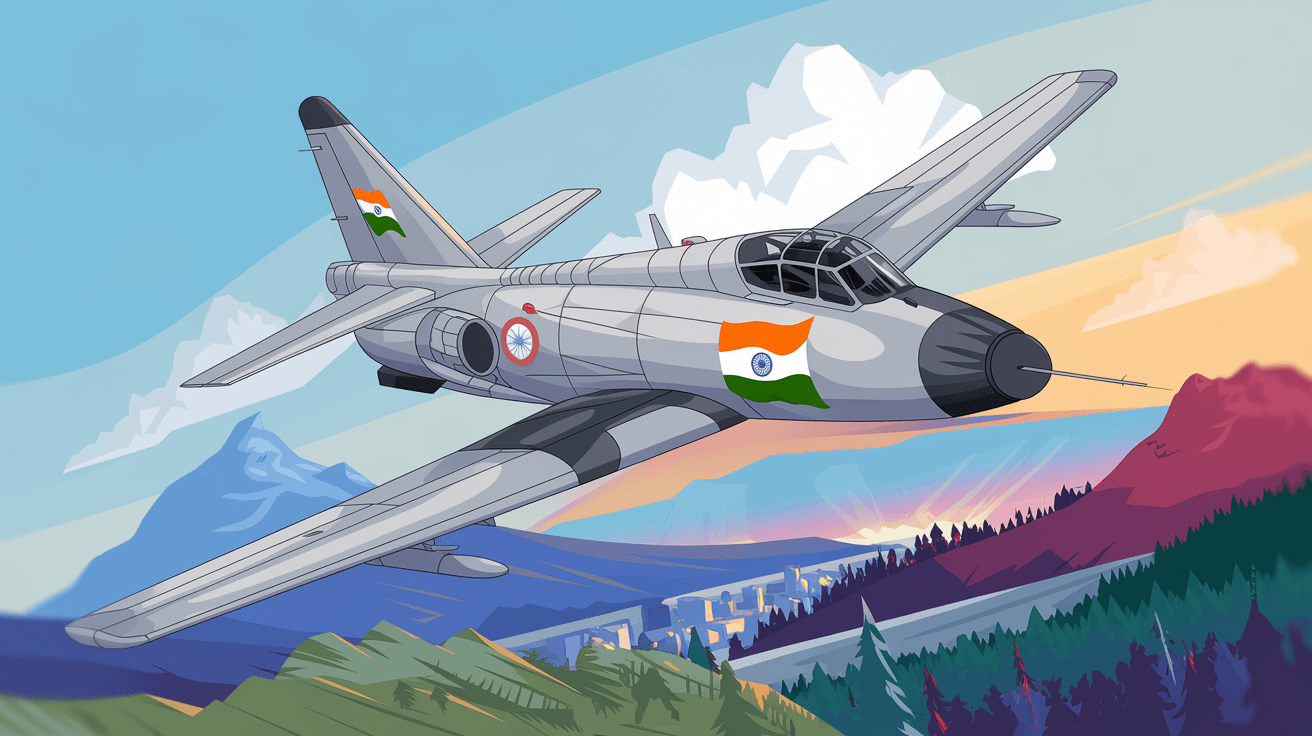
India's Air Force has long relied on MiG aircraft as a key part of its fighter fleet. If you're curious about how many MiG aircraft India currently operates, you're in the right place. We'll explore the numbers, types, and roles of these iconic jets in India's defense setup.
You might wonder why MiG jets still matter in India’s air power today. Despite newer aircraft joining the fleet, MiGs continue to serve important roles. Let’s dive into the details and understand the current status and future of MiG aircraft in India.
India has operated MiG aircraft since the 1950s, making them a backbone of its air defense for decades. The MiG series includes several models, each serving different purposes. Over time, India has upgraded and maintained these jets to keep them relevant.
Currently, the Indian Air Force (IAF) operates mainly MiG-21, MiG-29, and MiG-27 aircraft. Each type has unique capabilities:
These aircraft have been modernized to extend their service life, but India is gradually phasing out older models.
As of 2025, India operates approximately 150 MiG aircraft across different variants. Here's a rough breakdown:
| MiG Model | Estimated Number | Role |
| MiG-21 | ~90 | Interceptor, air defense |
| MiG-29 | ~45 | Multirole fighter |
| MiG-27 | ~15 | Ground attack |
The MiG-21 remains the most numerous MiG aircraft in India. Despite being introduced in the 1960s, India has upgraded many MiG-21s with modern avionics and weapons. The MiG-21 Bison variant is the most common, featuring radar and missile upgrades.
The IAF uses MiG-21s primarily for quick interception missions. However, the fleet is aging, and India plans to retire most MiG-21s by the late 2020s.
India's MiG-29s are more modern and versatile. The IAF operates around 45 MiG-29s, including upgraded MiG-29UPG versions. These jets are capable of air superiority missions and can carry advanced weapons.
The MiG-29UPG upgrade program includes new avionics, radar, and weapons systems, keeping the aircraft competitive. The MiG-29s are expected to remain in service until at least 2030.
The MiG-27 is a specialized ground-attack aircraft. India has a smaller fleet of about 15 MiG-27s, mainly used for close air support and strike missions. These jets are also aging, and the IAF is gradually phasing them out in favor of newer aircraft like the Su-30MKI and Tejas.
MiG aircraft have played a crucial role in India's defense for decades. Their roles include:
Despite newer jets entering service, MiGs remain vital due to their numbers and versatility. They fill gaps in the fleet and provide cost-effective options for various missions.
India has invested heavily in upgrading its MiG fleet to extend their operational life. Key upgrades include:
These upgrades help MiGs stay relevant against modern threats. However, maintenance costs are rising, and India is balancing upgrades with acquiring new aircraft.
India is gradually reducing its reliance on MiG aircraft. The government plans to retire most MiG-21s and MiG-27s by the end of this decade. The MiG-29s will remain longer but will eventually be replaced by newer fighters like the indigenous HAL Tejas and imported jets such as the Rafale.
Key points about the future:
India’s focus is on modern, multirole fighters with better technology and lower maintenance costs.
You might ask why India continues to operate MiGs despite their age. The reasons include:
This approach allows India to maintain a balanced air force while transitioning to newer platforms.
Operating older MiG aircraft comes with challenges:
India is addressing these issues through upgrades and phased retirements.
India currently operates around 150 MiG aircraft, including MiG-21s, MiG-29s, and MiG-27s. These jets continue to serve important roles in air defense, air superiority, and ground attack. However, the fleet is aging, and India is actively modernizing some aircraft while planning to retire others.
The MiG aircraft have been a backbone of India’s air power for decades. While newer fighters are joining the fleet, MiGs still provide valuable capabilities and cost-effective options. Over the next decade, expect India to gradually phase out most MiGs, replacing them with advanced indigenous and imported jets.
If you want to understand India’s air power, knowing the role and number of MiG aircraft is essential. They represent both a proud legacy and a transitional phase toward a modern air force.
India operates about 90 MiG-21 aircraft, mostly the upgraded MiG-21 Bison variant, used primarily for air defense and interception missions.
MiG-29s serve as multirole fighters focused on air superiority, protecting Indian airspace with advanced avionics and weapons.
Yes, India has around 15 MiG-27s mainly for ground-attack roles, but they are being phased out gradually.
India plans to retire most MiG-21s by 2030, replacing them with newer fighters like the HAL Tejas.
MiGs are cost-effective, familiar to pilots, and have been upgraded to remain relevant while India transitions to newer aircraft.