

How Many Metropolitan Cities in India
Search for a command to run...
No comments yet. Be the first to comment.
Moving to the USA from India is a dream for many. Whether you want to study, work, or live with family, the process can seem complex. But with the right information, you can plan your move confidently. I’ll guide you through the key steps and options...
Opening a college in India is a dream for many educators and entrepreneurs who want to contribute to the country’s education sector. If you are one of those who want to start a college, you need to understand the process clearly. It involves several ...
Opening a hospital in India is a significant and rewarding venture. If you’ve ever wondered how to start one, you’re in the right place. Whether you’re a healthcare professional, entrepreneur, or investor, understanding the process is crucial. You’ll...
Opening a medical store in India can be a rewarding business opportunity. You get to serve your community by providing essential medicines and healthcare products. If you are thinking about starting a medical store, you might wonder where to begin an...
Opening a restaurant in India can be an exciting and rewarding venture. Whether you dream of serving traditional Indian dishes or international cuisine, the process involves careful planning and understanding of local regulations. If you’re ready to ...
FactBharat | Insights About India
2558 posts
Discover verified facts, data, and insights about India’s states, culture, economy, education, and more — all in one place at FactBharat.
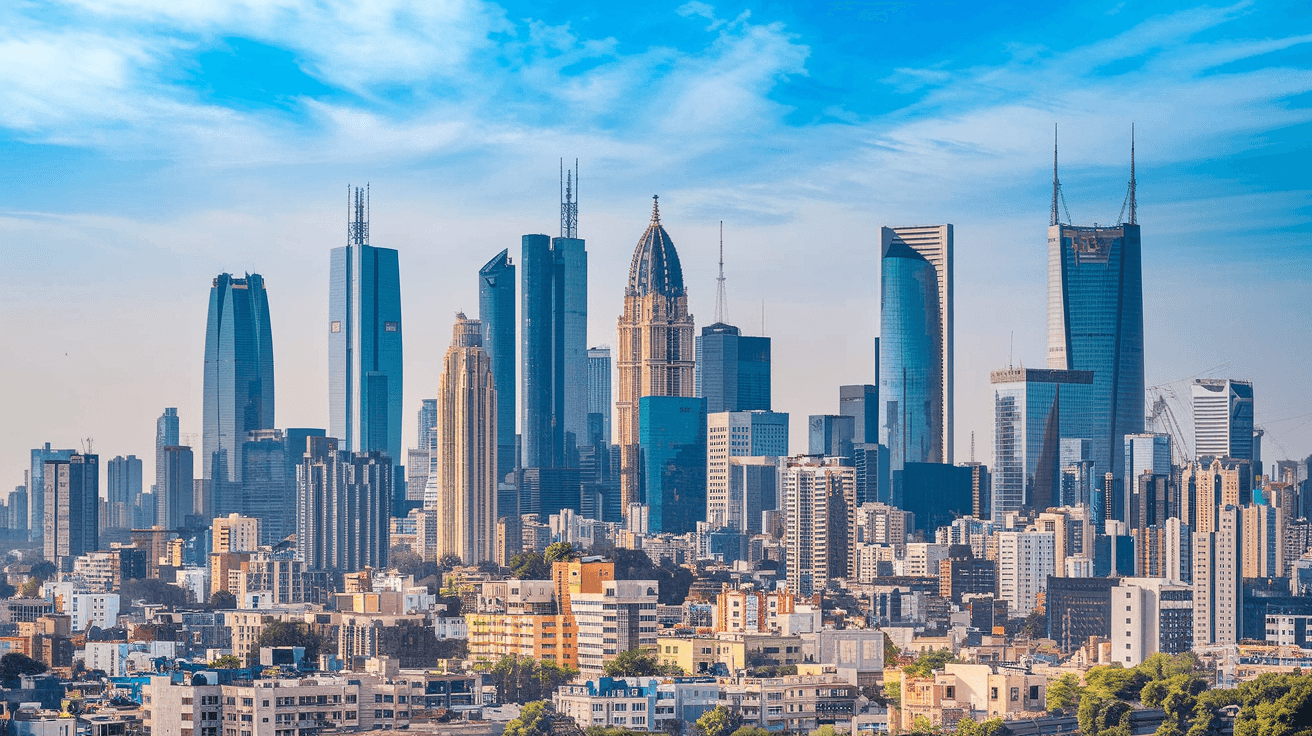
Have you ever wondered how many metropolitan cities are in India? Understanding this can help you appreciate the country's urban landscape better. Metropolitan cities are not just large cities; they are hubs of culture, economy, and education.
In this article, we will explore the number of metropolitan cities in India, their characteristics, and their importance. You’ll learn about the unique features of these cities and why they play a crucial role in the nation’s development.
A metropolitan city is defined as a large urban area that serves as a significant economic, political, and cultural center. In India, these cities have a population of over one million people. They are characterized by:
Metropolitan cities are vital for India's growth, contributing significantly to the country's GDP and employment.
As of now, India has 53 metropolitan cities. This number can change due to urbanization and population growth. The cities are classified based on their population size and economic significance.
Here’s a list of some major metropolitan cities in India:
These cities are not just populous; they are also centers of innovation and development.
Metropolitan cities in India share several common characteristics that set them apart from smaller towns and cities. Here are some key features:
While metropolitan cities offer many advantages, they also face challenges:
Let’s take a closer look at some of the major metropolitan cities in India and what makes them unique.
Mumbai is the largest metropolitan city in India. It is known for:
Delhi, the capital city, is significant for:
Bengaluru is often referred to as the "Silicon Valley of India." It is known for:
Chennai is a major metropolitan city known for:
Kolkata, formerly known as Calcutta, is known for:
Metropolitan cities play a crucial role in India's overall development. Here’s how:
Despite their importance, metropolitan cities face several challenges that need addressing:
The future of metropolitan cities in India looks promising but requires careful planning. Here are some trends to watch:
In conclusion, India has 53 metropolitan cities that play a vital role in the country's economy and culture. These cities are characterized by their diverse populations, economic opportunities, and advanced infrastructure.
While they face challenges like overcrowding and pollution, the future looks bright with ongoing initiatives aimed at sustainable development and urban planning. Understanding these cities helps us appreciate their significance in shaping India's future.
India has 53 metropolitan cities as of now. This number may change due to urbanization and population growth.
A metropolitan city in India is defined as an urban area with a population of over one million people, serving as a significant economic and cultural center.
Some major metropolitan cities in India include Mumbai, Delhi, Bengaluru, Chennai, and Kolkata. Each city has its unique characteristics and significance.
Metropolitan cities are crucial for India's economic growth, cultural diversity, and social development. They contribute significantly to the national GDP and provide numerous job opportunities.
Metropolitan cities face challenges like overcrowding, pollution, and infrastructure strain. Addressing these issues is essential for sustainable urban development.