

How Many Members Signed the Constitution of India
F
Discover verified facts, data, and insights about India’s states, culture, economy, education, and more — all in one place at FactBharat.
Search for a command to run...
Discover verified facts, data, and insights about India’s states, culture, economy, education, and more — all in one place at FactBharat.
No comments yet. Be the first to comment.
Moving to the USA from India is a dream for many. Whether you want to study, work, or live with family, the process can seem complex. But with the right information, you can plan your move confidently. I’ll guide you through the key steps and options...
Opening a college in India is a dream for many educators and entrepreneurs who want to contribute to the country’s education sector. If you are one of those who want to start a college, you need to understand the process clearly. It involves several ...
Opening a hospital in India is a significant and rewarding venture. If you’ve ever wondered how to start one, you’re in the right place. Whether you’re a healthcare professional, entrepreneur, or investor, understanding the process is crucial. You’ll...
Opening a medical store in India can be a rewarding business opportunity. You get to serve your community by providing essential medicines and healthcare products. If you are thinking about starting a medical store, you might wonder where to begin an...
Opening a restaurant in India can be an exciting and rewarding venture. Whether you dream of serving traditional Indian dishes or international cuisine, the process involves careful planning and understanding of local regulations. If you’re ready to ...
FactBharat | Insights About India
2558 posts
Discover verified facts, data, and insights about India’s states, culture, economy, education, and more — all in one place at FactBharat.
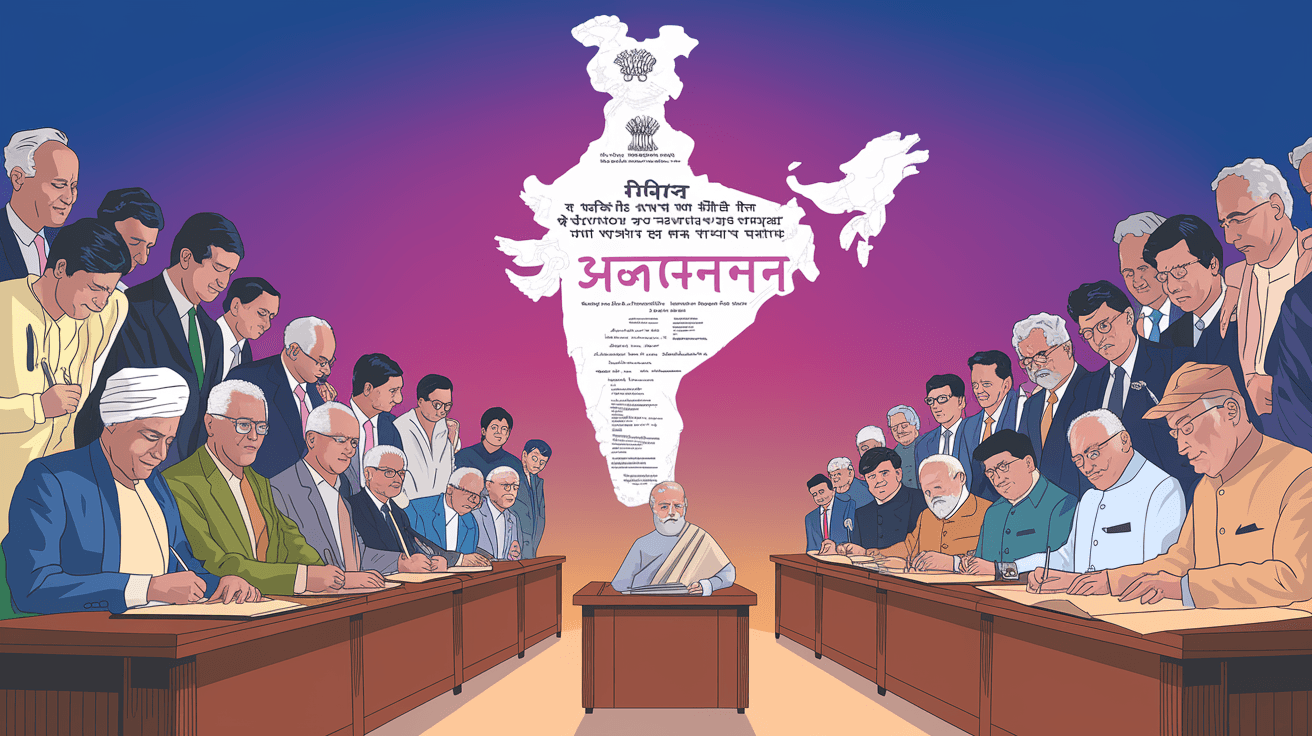
The Constitution of India is one of the most important documents in the country’s history. It laid the foundation for the world’s largest democracy and set the rules for governance, rights, and duties. You might wonder, how many members actually signed this monumental document? Understanding this number helps us appreciate the collective effort behind India’s democratic framework.
In this article, I will take you through the details of the signing ceremony, the members involved, and why their signatures matter. We will also explore the background of the Constituent Assembly and the significance of this historic event. By the end, you’ll have a clear picture of how many members signed the Constitution of India and the story behind it.
The Constitution of India was drafted by the Constituent Assembly, a body formed to frame the country’s constitution after independence. The Assembly consisted of representatives from various provinces and princely states.
The Assembly met for the first time on December 9, 1946, and worked for nearly three years to draft the Constitution. Dr. B.R. Ambedkar was the chairman of the Drafting Committee, playing a key role in shaping the document.
The Constitution was adopted on November 26, 1949, but the actual signing took place on January 24, 1950. This day is celebrated as Constitution Day in India.
The signatures symbolized the collective commitment of the members to uphold the Constitution and the democratic values it enshrined.
You might ask why only 284 members signed when the Assembly had 299 members after partition. Here are some reasons:
This number reflects the active participation and dedication of the majority of the Assembly members.
The signing of the Constitution was more than just a formality. It marked the birth of the Republic of India and the beginning of a new era.
The ceremony was a historic milestone that laid the foundation for India’s democratic governance.
Several notable leaders signed the Constitution, each contributing uniquely to its creation:
These leaders, along with others, represented the spirit of India’s independence and democratic ideals.
The drafting of the Constitution was a detailed and collaborative process:
This process ensured that the Constitution reflected the aspirations of the Indian people.
Each signature on the Constitution represented:
The signatures are a reminder of the collective effort to build a strong nation.
India’s Constitution is one of the longest and most detailed in the world. The number of signatories reflects the inclusive approach taken:
The Constitution’s length and the number of signatories highlight India’s unique democratic journey.
Every year on January 26, India celebrates Constitution Day to honor the signing and adoption of the Constitution.
Constitution Day keeps the legacy of the signatories alive in the hearts of Indians.
Now you know that 284 members signed the Constitution of India on January 24, 1950. This historic event marked the culmination of years of hard work by the Constituent Assembly. The signatures symbolized unity, commitment, and the birth of a democratic nation.
Understanding the number of signatories helps us appreciate the collective effort behind India’s Constitution. It reminds us that democracy is built on the dedication of many individuals working together for a common goal. As you reflect on this, you can see how the Constitution continues to guide and inspire India today.
The Constituent Assembly initially had 389 members before the partition of India and Pakistan.
Dr. Rajendra Prasad, the President of the Constituent Assembly, was the first to sign the Constitution.
January 26 marks the day the Constitution of India came into effect in 1950, making India a republic.
No, only 284 members signed the Constitution due to resignations, absences, and other reasons.
Dr. B.R. Ambedkar was the Chairman of the Drafting Committee and is considered the principal architect of the Indian Constitution.