

How Many Medical Colleges Are There in India
F
Discover verified facts, data, and insights about India’s states, culture, economy, education, and more — all in one place at FactBharat.
Search for a command to run...
Discover verified facts, data, and insights about India’s states, culture, economy, education, and more — all in one place at FactBharat.
No comments yet. Be the first to comment.
Moving to the USA from India is a dream for many. Whether you want to study, work, or live with family, the process can seem complex. But with the right information, you can plan your move confidently. I’ll guide you through the key steps and options...
Opening a college in India is a dream for many educators and entrepreneurs who want to contribute to the country’s education sector. If you are one of those who want to start a college, you need to understand the process clearly. It involves several ...
Opening a hospital in India is a significant and rewarding venture. If you’ve ever wondered how to start one, you’re in the right place. Whether you’re a healthcare professional, entrepreneur, or investor, understanding the process is crucial. You’ll...
Opening a medical store in India can be a rewarding business opportunity. You get to serve your community by providing essential medicines and healthcare products. If you are thinking about starting a medical store, you might wonder where to begin an...
Opening a restaurant in India can be an exciting and rewarding venture. Whether you dream of serving traditional Indian dishes or international cuisine, the process involves careful planning and understanding of local regulations. If you’re ready to ...
FactBharat | Insights About India
2558 posts
Discover verified facts, data, and insights about India’s states, culture, economy, education, and more — all in one place at FactBharat.
If you’re curious about medical education in India, you might wonder, “How many medical colleges are there in India?” This question is important for students planning to pursue medicine, educators, and anyone interested in the healthcare system. India has seen rapid growth in medical education over the years, making it one of the largest hubs for medical training worldwide.
In this article, I’ll walk you through the current number of medical colleges in India, their types, and how they are spread across the country. We’ll also touch on the quality and regulation of these institutions, helping you understand the landscape of medical education in India today.
India has a vast network of medical colleges that train thousands of doctors every year. As of 2025, there are approximately 650 medical colleges recognized by the National Medical Commission (NMC), the regulatory body overseeing medical education.
This expansion helps address the shortage of doctors in many parts of the country and supports India’s growing healthcare needs.
Medical colleges in India fall into three main categories:
Each type of college has its pros and cons, and students choose based on factors like fees, location, and reputation.
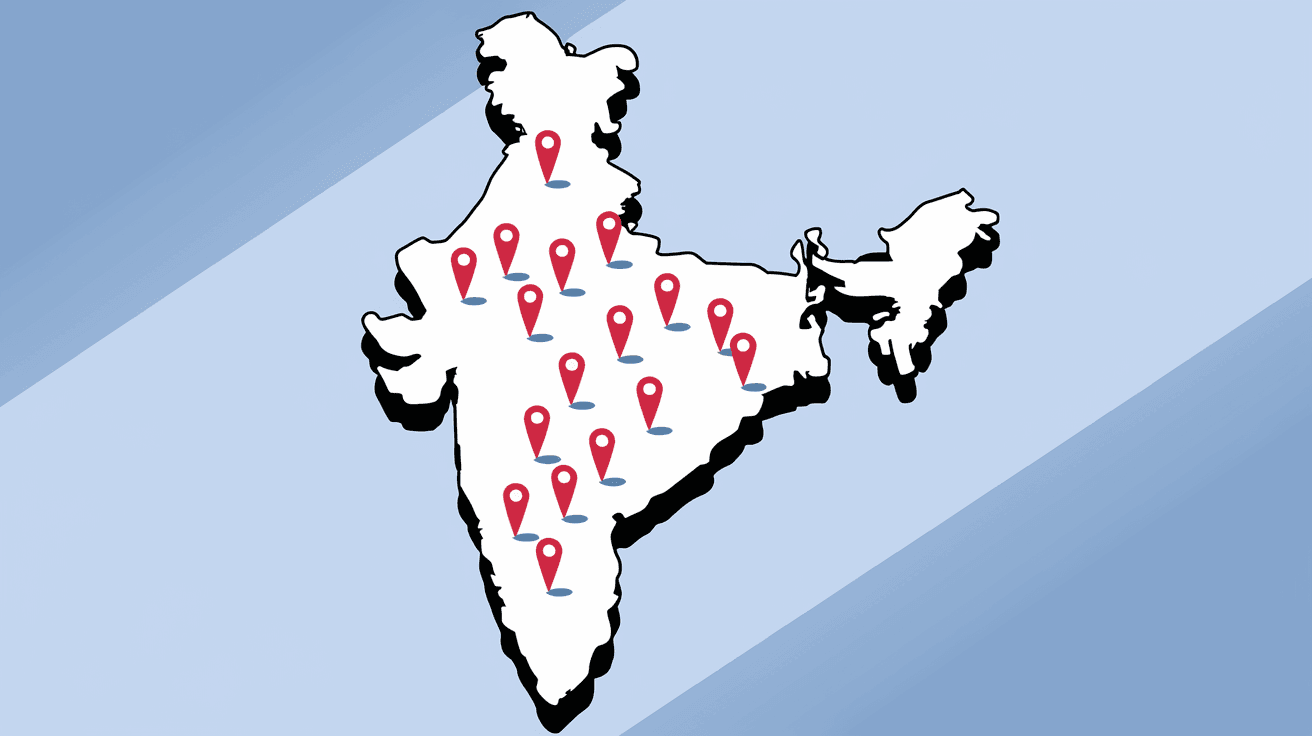
Medical colleges are unevenly distributed across India’s states and union territories. Some states have a high concentration of colleges, while others have fewer.
The National Medical Commission (NMC) replaced the Medical Council of India (MCI) to regulate medical education. The NMC ensures:
The NMC also promotes uniformity in medical education across all colleges, aiming to improve the overall standard of healthcare professionals.
Admission to medical colleges in India is primarily through the National Eligibility cum Entrance Test (NEET).
This centralized system helps maintain fairness and transparency in medical admissions.
India’s medical education sector has grown rapidly due to:
This growth is expected to continue, helping India meet its healthcare challenges.
Despite the growth, several challenges remain:
Addressing these issues is crucial for improving medical education and healthcare outcomes.
So, how many medical colleges are there in India? The answer is around 650 recognized institutions, spread unevenly across the country. These colleges include government, private, and deemed universities, each playing a vital role in training India’s future doctors.
Understanding the distribution, regulation, and challenges of medical colleges helps you appreciate the complexity of medical education in India. Whether you’re a student planning your career or simply curious, knowing these facts gives you a clearer picture of India’s medical education landscape today.
About 300 to 350 medical colleges in India are government-run, offering subsidized education and often better infrastructure compared to private colleges.
The NMC regulates medical education, ensuring quality standards, curriculum updates, and fair admissions across all medical colleges in India.
Yes, private medical colleges generally have higher tuition fees than government colleges, though they may offer modern facilities and infrastructure.
Admission is through the NEET exam, a single national-level test for all medical colleges, ensuring a merit-based and transparent selection process.
Maharashtra and Tamil Nadu are among the states with the highest number of medical colleges, each having over 50 institutions.