

How Many Mangrove Forests in India
F
Discover verified facts, data, and insights about India’s states, culture, economy, education, and more — all in one place at FactBharat.
Search for a command to run...
Discover verified facts, data, and insights about India’s states, culture, economy, education, and more — all in one place at FactBharat.
No comments yet. Be the first to comment.
Moving to the USA from India is a dream for many. Whether you want to study, work, or live with family, the process can seem complex. But with the right information, you can plan your move confidently. I’ll guide you through the key steps and options...
Opening a college in India is a dream for many educators and entrepreneurs who want to contribute to the country’s education sector. If you are one of those who want to start a college, you need to understand the process clearly. It involves several ...
Opening a hospital in India is a significant and rewarding venture. If you’ve ever wondered how to start one, you’re in the right place. Whether you’re a healthcare professional, entrepreneur, or investor, understanding the process is crucial. You’ll...
Opening a medical store in India can be a rewarding business opportunity. You get to serve your community by providing essential medicines and healthcare products. If you are thinking about starting a medical store, you might wonder where to begin an...
Opening a restaurant in India can be an exciting and rewarding venture. Whether you dream of serving traditional Indian dishes or international cuisine, the process involves careful planning and understanding of local regulations. If you’re ready to ...
FactBharat | Insights About India
2558 posts
Discover verified facts, data, and insights about India’s states, culture, economy, education, and more — all in one place at FactBharat.
Mangrove forests are vital coastal ecosystems that protect shorelines and support rich biodiversity. If you’ve ever wondered how many mangrove forests India has, you’re not alone. India is home to some of the largest and most diverse mangrove areas in the world. These forests play a crucial role in the environment and local livelihoods.
In this article, I’ll guide you through the number of mangrove forests in India, where they are located, and why they matter. We’ll also look at the efforts to conserve these precious ecosystems. By the end, you’ll have a clear picture of India’s mangrove wealth and its significance.
Mangrove forests are coastal wetlands found in tropical and subtropical regions. They consist of salt-tolerant trees and shrubs that grow in brackish water along shorelines, estuaries, and river deltas. These forests act as natural barriers against storms, prevent soil erosion, and provide habitat for many species.
Here’s why mangroves are special:
Understanding their importance helps us appreciate why India protects its mangrove forests.
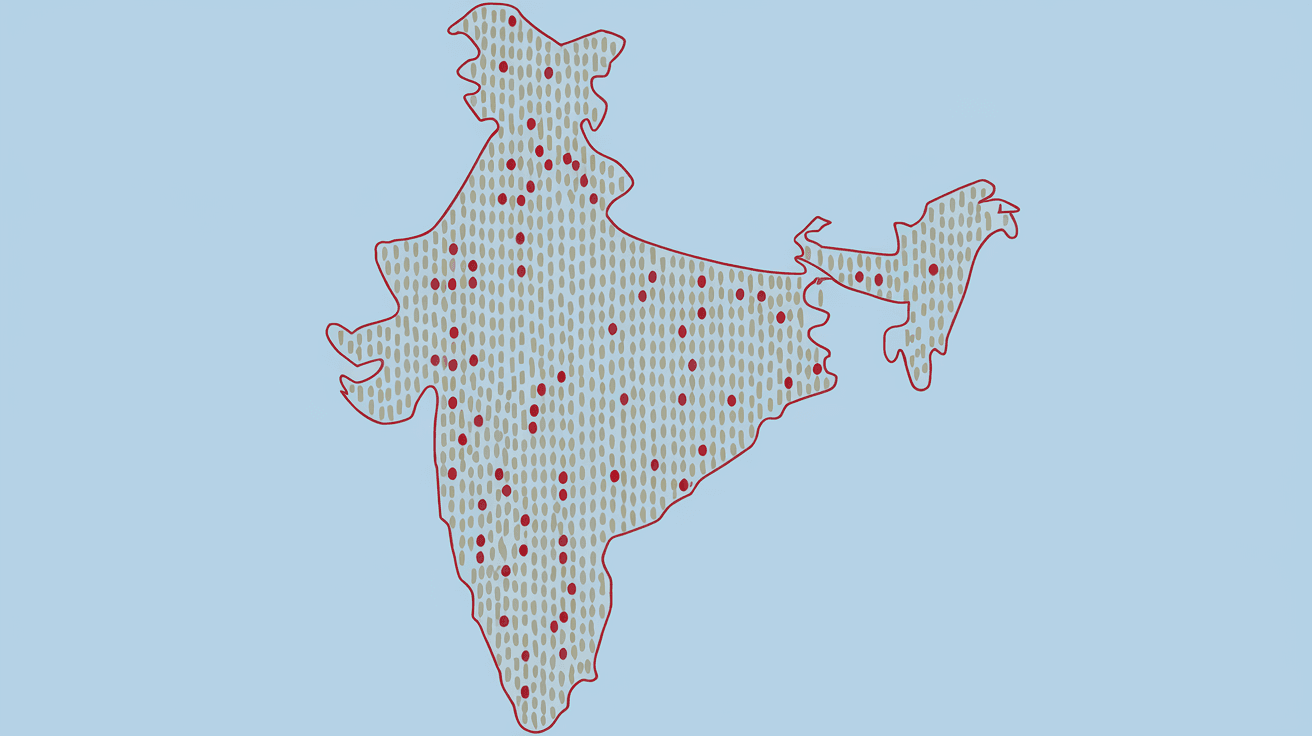
India has about 4,975 square kilometers of mangrove forests spread across its coastline. These forests are found in nine states and two union territories along the Arabian Sea, Bay of Bengal, and the Andaman and Nicobar Islands.
The main mangrove regions in India include:
Each of these areas hosts unique mangrove species and ecosystems.
The Sundarbans, shared between India and Bangladesh, is the largest mangrove forest in the world. India’s part covers about 4,200 square kilometers. It is a UNESCO World Heritage Site and famous for its rich biodiversity, including the Bengal tiger.
Key facts about the Sundarbans:
The Sundarbans alone make up the majority of India’s mangrove cover.
Besides the Sundarbans, India has several other important mangrove forests:
Each region contributes uniquely to India’s coastal ecology.
Mangroves provide many benefits to India’s environment and people. Here are some key reasons why they matter:
Protecting mangroves means protecting India’s coastlines and communities.
Despite their importance, India’s mangroves face several threats:
These threats have caused a decline in mangrove areas in some regions.
India has taken strong steps to protect and restore mangrove forests. Some key initiatives include:
These efforts aim to balance development with ecosystem protection.
You might wonder how you can contribute to mangrove conservation. Here are some simple actions:
Every small step helps preserve these vital forests for future generations.
| Region | Approximate Area (sq km) | Key Features |
| Sundarbans (West Bengal) | 4,200 | Largest mangrove forest, tiger habitat |
| Godavari-Krishna Delta | 1,000 | Supports fisheries and agriculture |
| Mahanadi Delta (Odisha) | 200 | Important coastal ecosystem |
| Gulf of Kutch (Gujarat) | 50 | Smaller patches, unique species |
| Gulf of Khambhat (Gujarat) | 50 | Ecologically significant |
| Pichavaram (Tamil Nadu) | 11 (1,100 hectares) | Popular tourist spot |
| Andaman and Nicobar Islands | 200 | Diverse mangrove species |
This table gives you a quick overview of India’s mangrove distribution.
India is blessed with nearly 5,000 square kilometers of mangrove forests spread across its vast coastline. The Sundarbans stands out as the largest and most famous, but many other regions contribute to this rich ecosystem. Mangroves protect the coast, support wildlife, and sustain livelihoods.
However, these forests face threats from human activities and climate change. Thankfully, India is actively working to conserve and restore mangroves through government programs and community efforts. By understanding their value and challenges, you can also play a part in protecting these natural treasures.
Mangrove forests are not just trees by the sea—they are lifelines for India’s environment and people. Let’s work together to keep them thriving.
India has around 46 true mangrove species and 110 associated species, making it one of the most diverse mangrove regions globally.
West Bengal has the largest mangrove forest in India, mainly due to the Sundarbans.
Yes, many mangrove areas are protected under wildlife and forest laws, and several are designated as national parks or sanctuaries.
Mangroves store large amounts of carbon in their biomass and soil, reducing greenhouse gases in the atmosphere.
Mangroves typically grow in brackish or saline water but some species can tolerate freshwater conditions near river mouths.