

How Many Main Languages in India
F
Discover verified facts, data, and insights about India’s states, culture, economy, education, and more — all in one place at FactBharat.
Search for a command to run...
Discover verified facts, data, and insights about India’s states, culture, economy, education, and more — all in one place at FactBharat.
No comments yet. Be the first to comment.
Moving to the USA from India is a dream for many. Whether you want to study, work, or live with family, the process can seem complex. But with the right information, you can plan your move confidently. I’ll guide you through the key steps and options...
Opening a college in India is a dream for many educators and entrepreneurs who want to contribute to the country’s education sector. If you are one of those who want to start a college, you need to understand the process clearly. It involves several ...
Opening a hospital in India is a significant and rewarding venture. If you’ve ever wondered how to start one, you’re in the right place. Whether you’re a healthcare professional, entrepreneur, or investor, understanding the process is crucial. You’ll...
Opening a medical store in India can be a rewarding business opportunity. You get to serve your community by providing essential medicines and healthcare products. If you are thinking about starting a medical store, you might wonder where to begin an...
Opening a restaurant in India can be an exciting and rewarding venture. Whether you dream of serving traditional Indian dishes or international cuisine, the process involves careful planning and understanding of local regulations. If you’re ready to ...
FactBharat | Insights About India
2558 posts
Discover verified facts, data, and insights about India’s states, culture, economy, education, and more — all in one place at FactBharat.
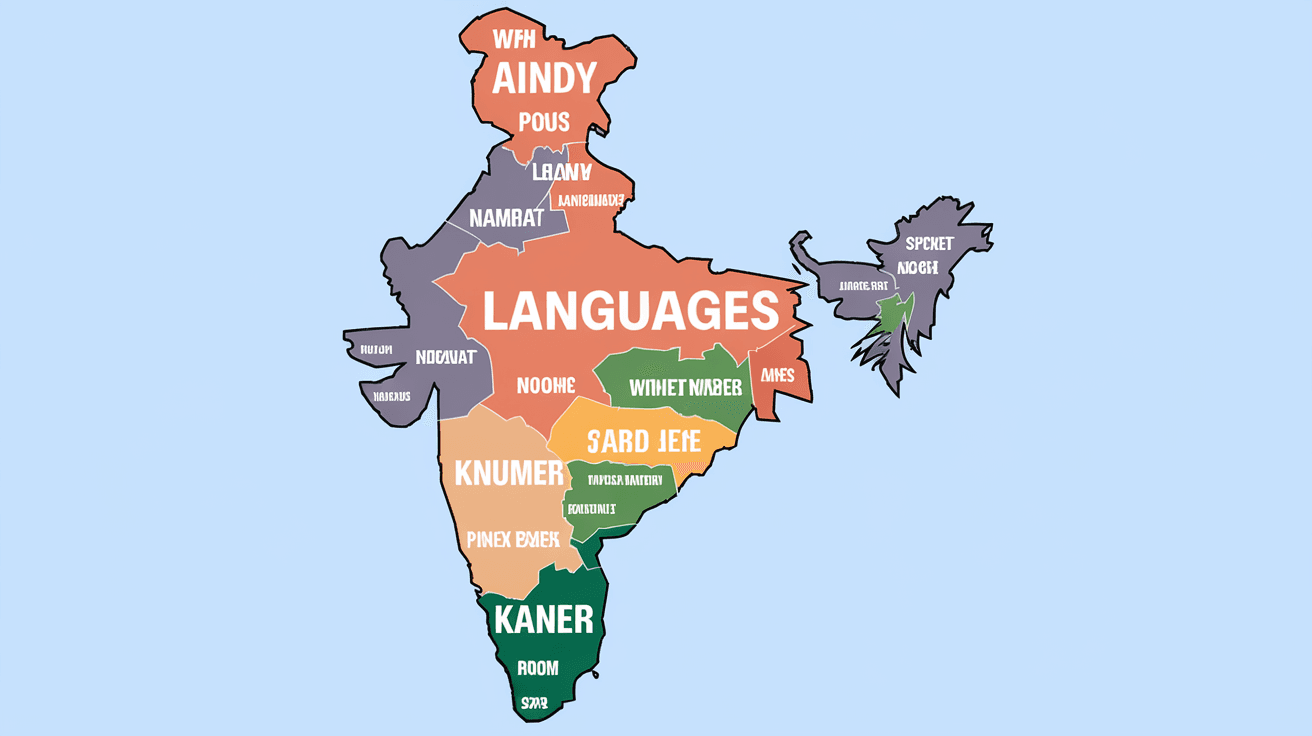
India is one of the most linguistically diverse countries in the world. When you think about how many main languages are spoken in India, the answer might surprise you. With hundreds of languages and dialects, India’s linguistic landscape is vast and colorful. If you’ve ever wondered how many languages are officially recognized or widely spoken, this article will guide you through the facts.
You might be curious about which languages are considered “main” and how they are categorized. We’ll explore the official languages, regional languages, and the role of Hindi and English. By the end, you’ll have a clear understanding of India’s language diversity and why it matters.
India’s Constitution recognizes multiple languages, reflecting the country’s cultural richness. The official languages are those used by the government for official communication.
These 22 scheduled languages are:
Each of these languages has a significant number of speakers and is used in various states or regions.
While India has hundreds of languages, a handful dominate in terms of the number of speakers and geographical spread.
Here’s a quick look at the top languages by number of native speakers:
| Language | Approximate Number of Speakers (Millions) | Primary Regions |
| Hindi | 528 | Northern India |
| Bengali | 230 | West Bengal, Tripura |
| Telugu | 85 | Andhra Pradesh, Telangana |
| Marathi | 83 | Maharashtra |
| Tamil | 78 | Tamil Nadu |
| Urdu | 68 | Various states |
| Gujarati | 56 | Gujarat |
| Kannada | 44 | Karnataka |
| Odia | 37 | Odisha |
| Punjabi | 33 | Punjab |
| Malayalam | 38 | Kerala |
These languages are considered the main ones due to their large speaker base and cultural influence.
India’s language diversity is managed through a federal system where states have the freedom to choose their official languages. This means:
The government also promotes multilingual education and media to preserve languages. Many schools teach in regional languages alongside Hindi and English.
Hindi is often called the “link language” of India. It is:
However, Hindi is not the mother tongue for everyone. In southern and northeastern states, other languages dominate. This diversity means Hindi coexists with many other languages without replacing them.
English plays a unique role in India’s linguistic landscape:
English is often the language of choice in urban areas and among educated populations. It helps India connect globally and supports communication across states.
India is home to an estimated 450 to 780 languages and dialects. This number varies depending on how dialects are classified as separate languages.
Despite this vast number, only a few languages have official status or large numbers of speakers.
Besides the main languages, India has many smaller languages spoken by tribal and regional communities. Some examples include:
These languages have official recognition in the Eighth Schedule but have fewer speakers compared to the main languages.
Language in India is deeply tied to culture, religion, and identity. Each language carries its own literature, traditions, and history.
This linguistic diversity enriches India’s cultural fabric and promotes unity in diversity.
While diversity is a strength, it also presents challenges:
The government and civil society work continuously to address these challenges through policies and programs.
India’s linguistic diversity is truly remarkable. There are 22 officially recognized main languages, with Hindi and English playing key roles at the national level. Beyond these, hundreds of languages and dialects thrive across the country. This variety reflects India’s rich cultural heritage and regional identities.
Understanding how many main languages India has helps you appreciate the complexity and beauty of its society. Whether you speak Hindi, Tamil, Bengali, or any other language, you are part of a vibrant mosaic that makes India unique. Embracing this diversity is essential for unity and progress in the world’s largest democracy.
India officially recognizes 22 scheduled languages in its Constitution, including Hindi, Bengali, Tamil, Telugu, and others.
Hindi is the primary official language, but English is also an associate official language used extensively in government and education.
India has between 450 and 780 languages and dialects spoken across the country, depending on classification.
Hindi has the most native speakers, followed by Bengali, Telugu, Marathi, and Tamil.
Yes, each state can select its own official language(s) based on the local population and culture.