

How Many Jawahar Navodaya Vidyalayas Are There in India?
F
Discover verified facts, data, and insights about India’s states, culture, economy, education, and more — all in one place at FactBharat.
Search for a command to run...
Discover verified facts, data, and insights about India’s states, culture, economy, education, and more — all in one place at FactBharat.
No comments yet. Be the first to comment.
Moving to the USA from India is a dream for many. Whether you want to study, work, or live with family, the process can seem complex. But with the right information, you can plan your move confidently. I’ll guide you through the key steps and options...
Opening a college in India is a dream for many educators and entrepreneurs who want to contribute to the country’s education sector. If you are one of those who want to start a college, you need to understand the process clearly. It involves several ...
Opening a hospital in India is a significant and rewarding venture. If you’ve ever wondered how to start one, you’re in the right place. Whether you’re a healthcare professional, entrepreneur, or investor, understanding the process is crucial. You’ll...
Opening a medical store in India can be a rewarding business opportunity. You get to serve your community by providing essential medicines and healthcare products. If you are thinking about starting a medical store, you might wonder where to begin an...
Opening a restaurant in India can be an exciting and rewarding venture. Whether you dream of serving traditional Indian dishes or international cuisine, the process involves careful planning and understanding of local regulations. If you’re ready to ...
FactBharat | Insights About India
2558 posts
Discover verified facts, data, and insights about India’s states, culture, economy, education, and more — all in one place at FactBharat.
Jawahar Navodaya Vidyalayas (JNVs) are a unique and important part of India’s education system. If you’ve ever wondered how many JNVs exist across the country, you’re not alone. These schools play a vital role in providing quality education to talented children, especially from rural areas. In this article, I’ll guide you through the current number of JNVs in India, their distribution, and why they matter so much.
You might be curious about how these schools are spread across different states and what makes them special. By the end of this article, you’ll have a clear understanding of the scale of the JNV system and how it supports India’s educational goals. Let’s dive in and explore the world of Jawahar Navodaya Vidyalayas together.
Jawahar Navodaya Vidyalayas are government-funded residential schools established to provide quality education to talented children, primarily from rural areas. These schools aim to nurture gifted students by offering free education, including boarding and lodging.
JNVs are known for their excellent academic results and emphasis on all-round development. They help bridge the urban-rural education gap by providing opportunities to students who might otherwise lack access to quality schooling.
As of 2025, there are 661 Jawahar Navodaya Vidyalayas spread across India. This number reflects the government’s commitment to expanding quality education to rural and remote areas.
This extensive network ensures that talented children from almost every district can benefit from the JNV system. The goal is to have at least one JNV in every district, making education accessible and equitable.
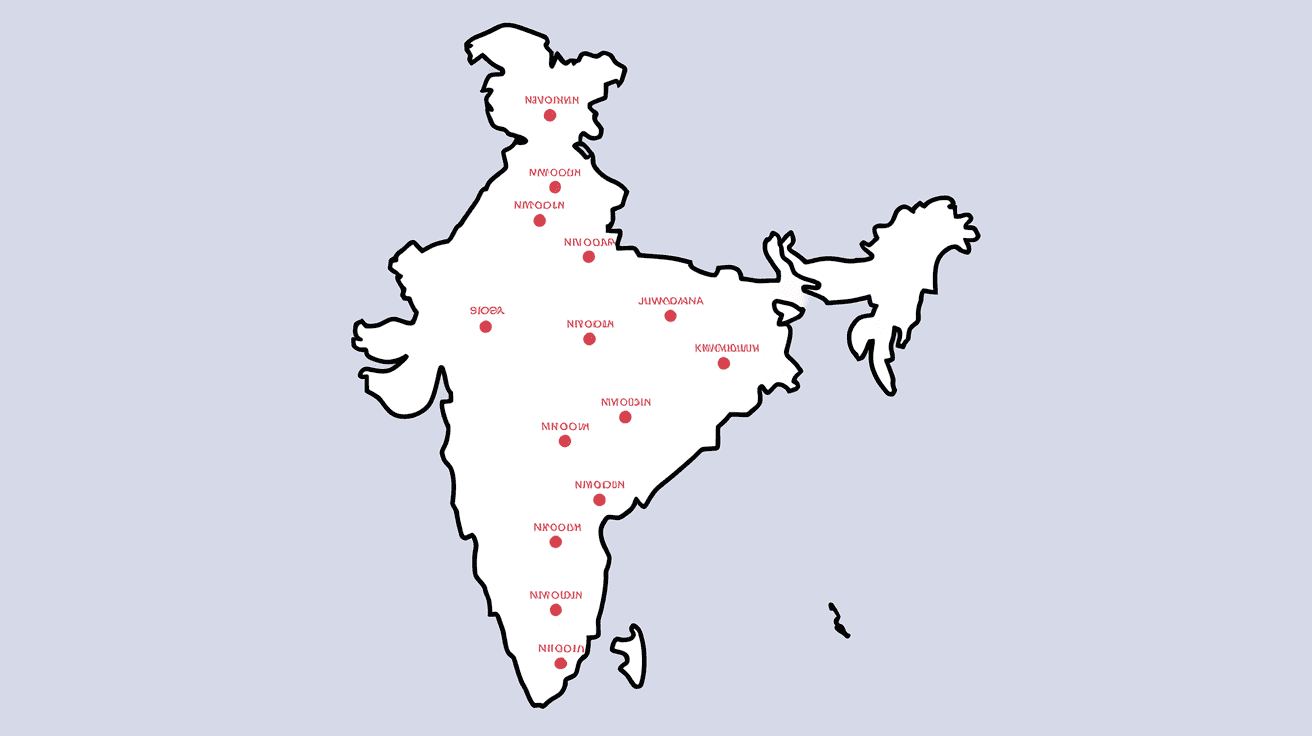
The distribution of Jawahar Navodaya Vidyalayas is designed to cover all parts of India fairly. Here’s how they are spread:
| Region | Approximate Number of JNVs |
| Northern States | 150+ |
| Southern States | 120+ |
| Eastern States | 100+ |
| Western States | 100+ |
| Central States | 80+ |
| Union Territories | 10+ |
This distribution ensures that children from diverse backgrounds and regions get equal opportunities to study in these schools.
JNVs are more than just schools; they are engines of social change. Here’s why they matter:
By attending a JNV, students gain access to resources and opportunities that might be unavailable in their home districts. Many JNV alumni have gone on to excel in various fields, contributing to India’s growth.
The government continues to expand the JNV network to cover more districts and regions. The process involves:
The goal is to eventually have a JNV in every district of India, ensuring no talented child is left behind due to lack of access.
Admission to JNVs is highly competitive but straightforward:
This process ensures that only talented students get selected, maintaining the high standards of JNVs.
JNVs have made a significant impact on education in India:
The success of JNVs demonstrates how focused government programs can transform education and empower youth.
Despite their success, JNVs face some challenges:
Looking ahead, the government plans to:
These steps will help JNVs continue their mission of providing quality education to rural India.
If you want to support JNVs or get involved:
Your support can help these schools reach more children and improve their educational outcomes.
Jawahar Navodaya Vidyalayas are a shining example of India’s commitment to inclusive and quality education. With 661 schools across the country, they provide free, excellent education to talented rural children. Their widespread presence ensures that students from almost every district have access to these opportunities.
By understanding how many JNVs exist and their role, you can appreciate the impact they have on India’s educational landscape. Whether you’re a student, parent, or educator, knowing about JNVs can open doors to new possibilities. These schools continue to shape the future of India by nurturing young minds and promoting equality.
There are 661 Jawahar Navodaya Vidyalayas across India, with at least one school in almost every district to provide quality education to rural talented children.
Admission is through the Jawahar Navodaya Vidyalaya Selection Test (JNVST), held annually for Class 6 students, focusing on mental ability, arithmetic, and language skills.
Primarily, yes. JNVs focus on rural talented children, but some seats are reserved for urban students and other categories as per government policies.
JNVs are managed by the Navodaya Vidyalaya Samiti, an autonomous organization under the Ministry of Education, Government of India.
Yes, JNVs offer free education, including boarding, lodging, meals, uniforms, and textbooks, making quality education accessible to all selected students.