

How Many Jantar Mantar Are There in India
F
Discover verified facts, data, and insights about India’s states, culture, economy, education, and more — all in one place at FactBharat.
Search for a command to run...
Discover verified facts, data, and insights about India’s states, culture, economy, education, and more — all in one place at FactBharat.
No comments yet. Be the first to comment.
Moving to the USA from India is a dream for many. Whether you want to study, work, or live with family, the process can seem complex. But with the right information, you can plan your move confidently. I’ll guide you through the key steps and options...
Opening a college in India is a dream for many educators and entrepreneurs who want to contribute to the country’s education sector. If you are one of those who want to start a college, you need to understand the process clearly. It involves several ...
Opening a hospital in India is a significant and rewarding venture. If you’ve ever wondered how to start one, you’re in the right place. Whether you’re a healthcare professional, entrepreneur, or investor, understanding the process is crucial. You’ll...
Opening a medical store in India can be a rewarding business opportunity. You get to serve your community by providing essential medicines and healthcare products. If you are thinking about starting a medical store, you might wonder where to begin an...
Opening a restaurant in India can be an exciting and rewarding venture. Whether you dream of serving traditional Indian dishes or international cuisine, the process involves careful planning and understanding of local regulations. If you’re ready to ...
FactBharat | Insights About India
2558 posts
Discover verified facts, data, and insights about India’s states, culture, economy, education, and more — all in one place at FactBharat.
If you’ve ever wondered how many Jantar Mantar observatories exist in India, you’re not alone. These fascinating astronomical sites are a blend of science, art, and history. They were built centuries ago to observe celestial bodies and measure time with incredible accuracy.
In this article, I’ll take you through the number of Jantar Mantars in India, their unique features, and why they remain important today. Whether you’re a history buff or just curious, this guide will give you clear answers and interesting insights.
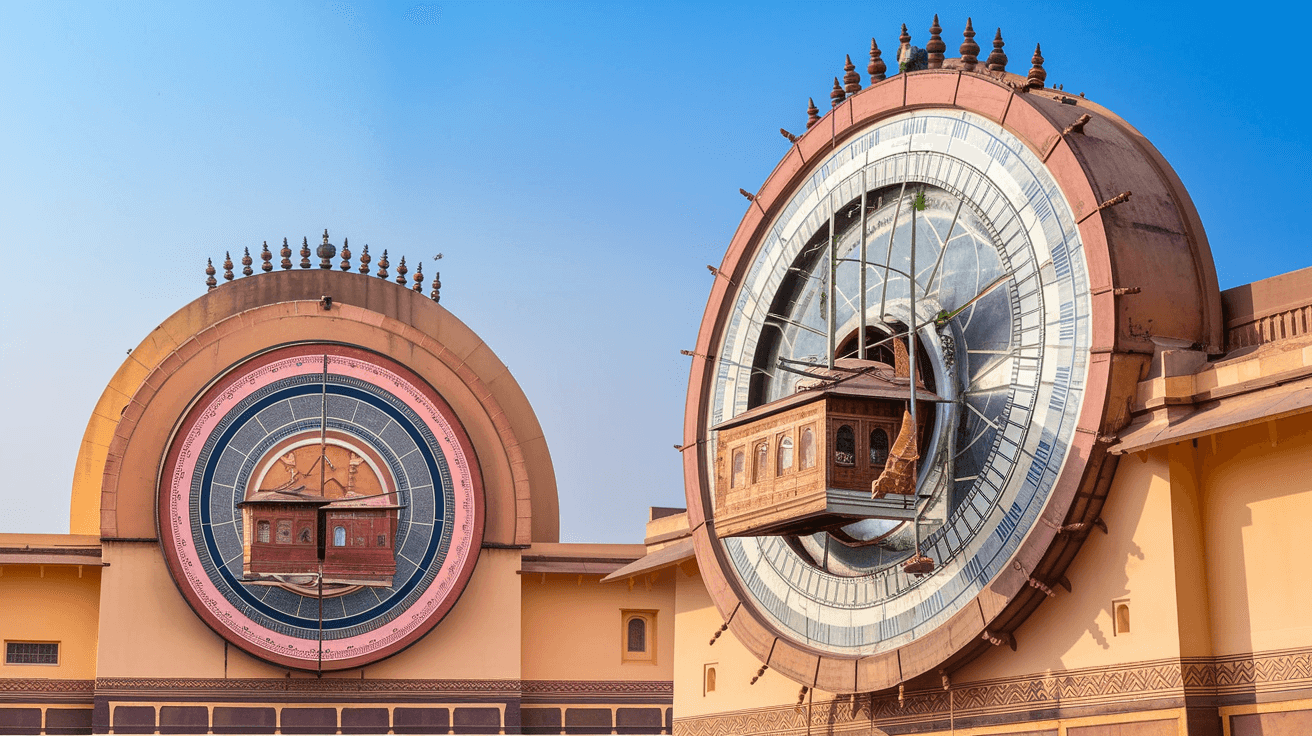
Jantar Mantar refers to a collection of architectural astronomical instruments. The name comes from two Sanskrit words: "Jantar" meaning instrument and "Mantar" meaning formula or calculation. These structures were designed to observe the positions of stars, planets, and other celestial events.
These observatories are not just old buildings; they represent a scientific achievement of their time.
India has five main Jantar Mantar observatories, each located in different cities. These are:
Each of these sites has unique instruments and was built for specific astronomical purposes. Jaipur’s Jantar Mantar is the largest and most famous among them.
Maharaja Sawai Jai Singh II was passionate about astronomy. He wanted to improve the accuracy of existing astronomical tables and instruments. At that time, many calculations were based on outdated or foreign methods.
These observatories helped in:
Each Jantar Mantar has several large-scale instruments. These are designed to be used with the naked eye and are built to exact proportions.
Here are some of the key instruments:
These instruments are made from stone and marble, designed to last centuries.
Even though modern technology has replaced many traditional methods, Jantar Mantars remain important for several reasons:
For example, Jaipur’s Jantar Mantar is a popular destination for students and tourists alike.
If you want to explore these observatories, here’s what you need to know:
Visiting these sites gives you a chance to see ancient science in action.
Preserving Jantar Mantars is crucial but challenging. Exposure to weather and pollution can damage the instruments.
Maintaining these observatories ensures future generations can learn from them.
Now you know there are five main Jantar Mantar observatories in India, each with its own unique history and instruments. These sites are remarkable examples of ancient Indian astronomy and architecture. They were built to observe the skies with precision long before modern tools existed.
Visiting a Jantar Mantar lets you step back in time and appreciate the scientific curiosity of the past. Whether you explore Jaipur’s grand observatory or the smaller ones in Ujjain or Mathura, you’ll find a fascinating blend of art, science, and history.
There are five main Jantar Mantar observatories in India, located in Jaipur, Delhi, Ujjain, Varanasi, and Mathura.
Maharaja Sawai Jai Singh II built the Jantar Mantars in the 18th century to improve astronomical observations.
The Jaipur Jantar Mantar is the largest and most famous among the five observatories.
While modern technology has replaced them, Jantar Mantars are still valuable for education and historical study.
Yes, all five Jantar Mantars are open to tourists, with Jaipur and Delhi being the most accessible and popular.