

How Many Hydro Power Plants in India
F
Discover verified facts, data, and insights about India’s states, culture, economy, education, and more — all in one place at FactBharat.
Search for a command to run...
Discover verified facts, data, and insights about India’s states, culture, economy, education, and more — all in one place at FactBharat.
No comments yet. Be the first to comment.
Moving to the USA from India is a dream for many. Whether you want to study, work, or live with family, the process can seem complex. But with the right information, you can plan your move confidently. I’ll guide you through the key steps and options...
Opening a college in India is a dream for many educators and entrepreneurs who want to contribute to the country’s education sector. If you are one of those who want to start a college, you need to understand the process clearly. It involves several ...
Opening a hospital in India is a significant and rewarding venture. If you’ve ever wondered how to start one, you’re in the right place. Whether you’re a healthcare professional, entrepreneur, or investor, understanding the process is crucial. You’ll...
Opening a medical store in India can be a rewarding business opportunity. You get to serve your community by providing essential medicines and healthcare products. If you are thinking about starting a medical store, you might wonder where to begin an...
Opening a restaurant in India can be an exciting and rewarding venture. Whether you dream of serving traditional Indian dishes or international cuisine, the process involves careful planning and understanding of local regulations. If you’re ready to ...
FactBharat | Insights About India
2558 posts
Discover verified facts, data, and insights about India’s states, culture, economy, education, and more — all in one place at FactBharat.
India is one of the leading countries when it comes to hydroelectric power generation. If you’re curious about how many hydro power plants India has, you’re in the right place. Understanding the scale and scope of hydro power in India helps you appreciate its role in the country’s energy mix and environmental goals.
In this article, I’ll walk you through the current number of hydro power plants in India, their capacity, and why they matter. We’ll also explore the future of hydroelectric power in India and how it fits into the bigger picture of sustainable energy. Let’s dive in!
Hydro power is a major renewable energy source in India. It uses flowing water to generate electricity, which is clean and sustainable. India’s geography, with its many rivers and hilly regions, makes it ideal for hydroelectric projects.
This shows how important hydro power is for India’s energy security and environmental goals.
As of 2025, India has approximately 250 hydro power plants spread across the country. These plants vary in size from small micro-hydro projects to large mega dams.
This mix allows India to harness hydro power in different regions and terrains, from the Himalayas to the Western Ghats.
Some hydro power plants in India are well-known for their size and output. Here are a few examples:
| Plant Name | Location | Capacity (MW) | Year Commissioned |
| Tehri Dam | Uttarakhand | 1,000 | 2006 |
| Bhakra Nangal Dam | Himachal Pradesh | 1,325 | 1963 |
| Sardar Sarovar Dam | Gujarat | 1,450 | 2017 |
| Nathpa Jhakri | Himachal Pradesh | 1,500 | 2004 |
| Koyna Hydroelectric Plant | Maharashtra | 1,960 | 1962 |
These plants are critical for regional power supply and help stabilize the grid during peak demand.
Hydro power offers several benefits that make it vital for India’s energy future:
Because of these advantages, the Indian government continues to promote hydro power development.
Despite its benefits, hydro power development in India faces some challenges:
Addressing these challenges is key to expanding hydro power sustainably.
India aims to increase its hydro power capacity significantly in the coming years. The government’s targets include:
These efforts will help India meet its renewable energy goals and reduce dependence on fossil fuels.
Understanding how hydro power plants operate can help you appreciate their value. Here’s a simple explanation:
Hydro plants can be run-of-the-river (using natural flow) or reservoir-based (using stored water).
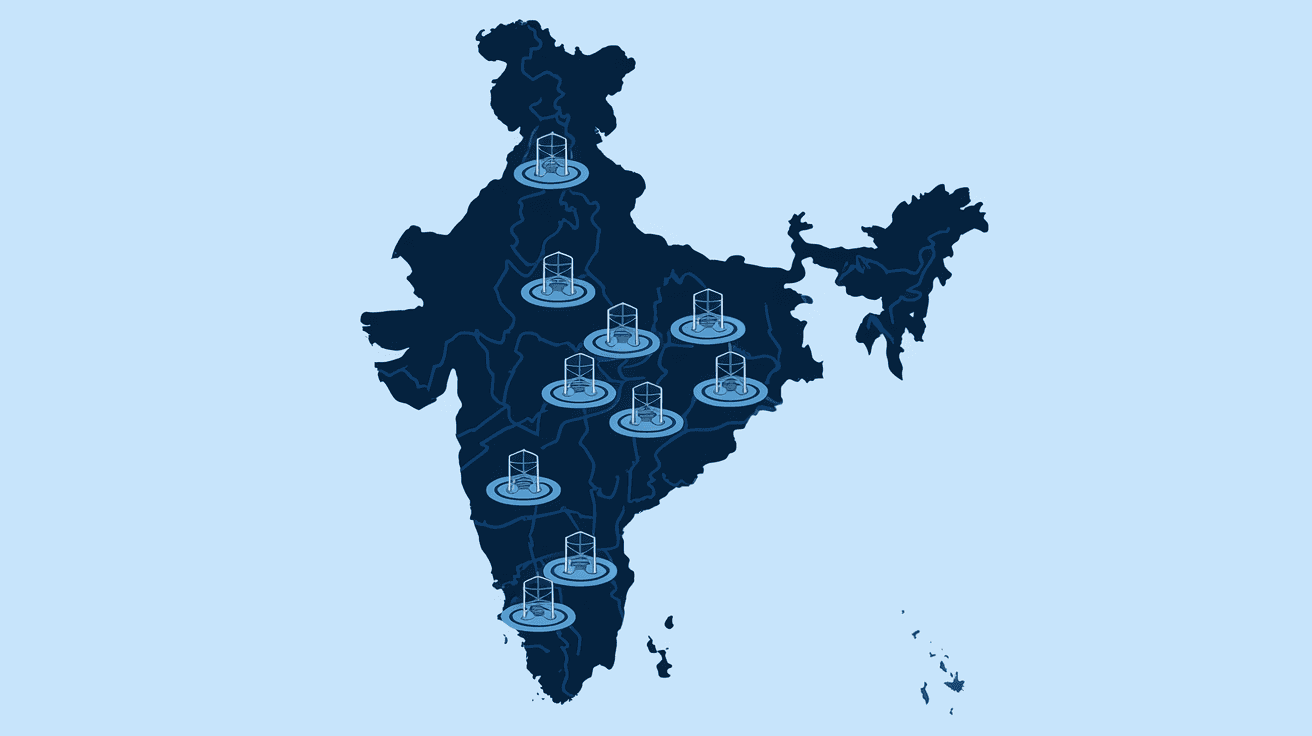
Hydro power plants are not evenly spread across India. Most are concentrated in regions with abundant water and elevation changes:
This distribution reflects India’s diverse geography and resource availability.
India has set ambitious renewable energy targets, aiming for 500 GW of renewable capacity by 2030. Hydro power plays a key role in this plan:
Together, these factors make hydro power an essential part of India’s green energy transition.
If you want to support hydro power development in India, here are some ways:
Your awareness and actions can help promote cleaner energy for India’s future.
India has around 250 hydro power plants, ranging from small projects to massive dams. These plants contribute significantly to the country’s electricity supply and help reduce carbon emissions. Hydro power’s flexibility and reliability make it a cornerstone of India’s renewable energy strategy.
While challenges exist, India’s commitment to expanding hydro power capacity is strong. With ongoing modernization and new projects, hydro power will continue to play a vital role in meeting India’s growing energy needs sustainably. By understanding the scope and importance of hydro power, you can appreciate its impact on India’s energy landscape.
India has about 250 hydro power plants, including large, medium, and small projects, with a total installed capacity of around 50,000 MW.
The Koyna Hydroelectric Plant in Maharashtra is one of the largest, with a capacity of 1,960 MW.
Hydro power contributes approximately 12-15% of India’s total electricity generation.
Challenges include environmental concerns, high costs, limited suitable sites, and climate change impacts on water availability.
Hydro power provides stable, clean energy, helps balance the grid, and supports storage solutions, making it key to India’s renewable energy targets.