

How Many Hotspots Are There in India
F
Discover verified facts, data, and insights about India’s states, culture, economy, education, and more — all in one place at FactBharat.
Search for a command to run...
Discover verified facts, data, and insights about India’s states, culture, economy, education, and more — all in one place at FactBharat.
No comments yet. Be the first to comment.
Moving to the USA from India is a dream for many. Whether you want to study, work, or live with family, the process can seem complex. But with the right information, you can plan your move confidently. I’ll guide you through the key steps and options...
Opening a college in India is a dream for many educators and entrepreneurs who want to contribute to the country’s education sector. If you are one of those who want to start a college, you need to understand the process clearly. It involves several ...
Opening a hospital in India is a significant and rewarding venture. If you’ve ever wondered how to start one, you’re in the right place. Whether you’re a healthcare professional, entrepreneur, or investor, understanding the process is crucial. You’ll...
Opening a medical store in India can be a rewarding business opportunity. You get to serve your community by providing essential medicines and healthcare products. If you are thinking about starting a medical store, you might wonder where to begin an...
Opening a restaurant in India can be an exciting and rewarding venture. Whether you dream of serving traditional Indian dishes or international cuisine, the process involves careful planning and understanding of local regulations. If you’re ready to ...
FactBharat | Insights About India
2558 posts
Discover verified facts, data, and insights about India’s states, culture, economy, education, and more — all in one place at FactBharat.
India is one of the most diverse countries in the world when it comes to wildlife and natural habitats. If you love nature or are curious about biodiversity, you might wonder how many hotspots are there in India. These hotspots are special areas rich in unique plants and animals, many of which cannot be found anywhere else.
In this article, I will take you through the number of biodiversity hotspots in India, where they are located, and why they are so important. You will also learn about the efforts to protect these precious natural treasures. Let’s dive into the fascinating world of India’s biodiversity hotspots.
Biodiversity hotspots are regions that have a high number of endemic species—plants and animals found nowhere else—and have lost at least 70% of their original natural vegetation. These areas are crucial for conservation because they support a wide variety of life forms and help maintain ecological balance.
The concept was introduced by Norman Myers in 1988 and has been widely adopted by conservationists worldwide. Hotspots are prioritized for protection because they face significant threats from human activities like deforestation, urbanization, and climate change.
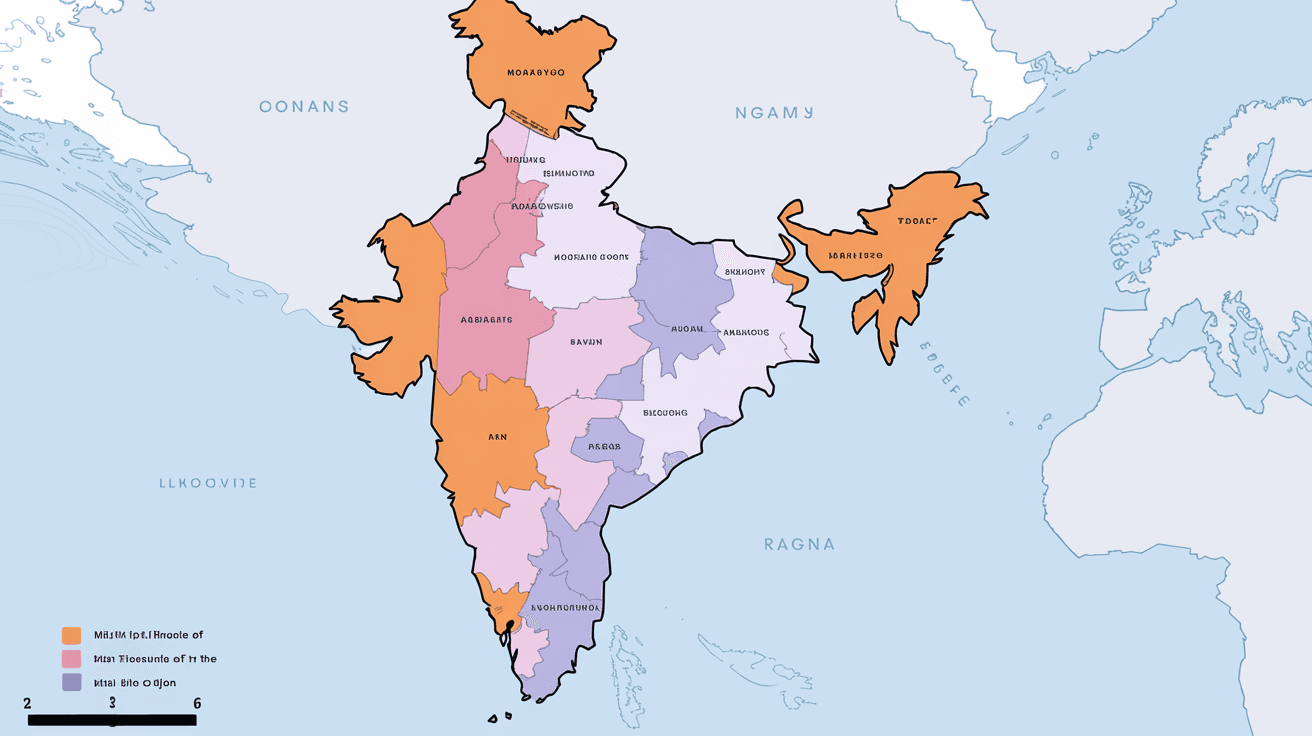
India is home to four major biodiversity hotspots. These hotspots cover a significant part of the country and represent different ecosystems, from tropical forests to mountain ranges. The four hotspots are:
Each of these hotspots has unique features and species, making India a global biodiversity treasure.
The Himalayan biodiversity hotspot stretches across northern India and includes parts of Jammu & Kashmir, Himachal Pradesh, Uttarakhand, Sikkim, and Arunachal Pradesh. This region is famous for its towering mountains, deep valleys, and diverse climates.
The Himalayas are vital for water security in India, as many major rivers originate here. However, this hotspot faces threats from deforestation, climate change, and infrastructure development.
The Indo-Burma hotspot covers northeastern states like Arunachal Pradesh, Nagaland, Manipur, Mizoram, Tripura, and parts of Assam. It also extends into Myanmar and other Southeast Asian countries.
This hotspot is under pressure due to shifting cultivation, logging, and habitat fragmentation. Conservation efforts focus on protecting forests and wildlife corridors.
The Western Ghats run along the western coast of India, covering states like Maharashtra, Goa, Karnataka, Kerala, and Tamil Nadu. This mountain range is known for its lush forests and high rainfall.
The Western Ghats face threats from mining, agriculture, and urban expansion. Many protected areas and national parks work to conserve this hotspot’s rich biodiversity.
The Sundaland hotspot includes the Nicobar Islands in the Bay of Bengal. These islands have tropical rainforests and coral reefs, making them ecologically rich.
Due to their isolation, the Nicobar Islands have fragile ecosystems. Conservation efforts focus on preventing invasive species and protecting marine habitats.
Biodiversity hotspots are not just about plants and animals; they provide essential services to humans too. Here’s why they matter:
Protecting these areas ensures a healthy environment and sustainable development.
Despite their importance, India’s hotspots face many challenges:
Addressing these challenges requires cooperation between government, communities, and conservation groups.
India has taken several steps to protect its biodiversity hotspots:
These efforts aim to balance development with nature preservation.
You don’t have to be a scientist or policymaker to make a difference. Here are some ways you can contribute:
Every small action counts toward preserving India’s natural heritage.
India’s four biodiversity hotspots—the Himalayas, Indo-Burma, Western Ghats, and Sundaland—are vital for the country’s rich natural heritage. They harbor countless unique species and provide essential services like clean water and climate regulation. However, these hotspots face serious threats from human activities and environmental changes.
Protecting these areas requires ongoing efforts from governments, communities, and individuals like you. By understanding how many hotspots there are and why they matter, you can appreciate the incredible biodiversity India holds and join in conserving it for future generations.
India has four major biodiversity hotspots: the Himalayas, Indo-Burma, Western Ghats, and Sundaland (Nicobar Islands).
A biodiversity hotspot has many unique species and has lost at least 70% of its original natural vegetation, making it a priority for conservation.
The Western Ghats hotspot is recognized as a UNESCO World Heritage Site for its rich biodiversity and ecological importance.
Deforestation, pollution, climate change, human-wildlife conflict, and illegal activities like poaching threaten these hotspots.
You can support conservation groups, avoid products from endangered species, reduce waste, spread awareness, and practice responsible eco-tourism.