

How Many Hospitals Are There in India
F
Discover verified facts, data, and insights about India’s states, culture, economy, education, and more — all in one place at FactBharat.
Search for a command to run...
Discover verified facts, data, and insights about India’s states, culture, economy, education, and more — all in one place at FactBharat.
No comments yet. Be the first to comment.
Moving to the USA from India is a dream for many. Whether you want to study, work, or live with family, the process can seem complex. But with the right information, you can plan your move confidently. I’ll guide you through the key steps and options...
Opening a college in India is a dream for many educators and entrepreneurs who want to contribute to the country’s education sector. If you are one of those who want to start a college, you need to understand the process clearly. It involves several ...
Opening a hospital in India is a significant and rewarding venture. If you’ve ever wondered how to start one, you’re in the right place. Whether you’re a healthcare professional, entrepreneur, or investor, understanding the process is crucial. You’ll...
Opening a medical store in India can be a rewarding business opportunity. You get to serve your community by providing essential medicines and healthcare products. If you are thinking about starting a medical store, you might wonder where to begin an...
Opening a restaurant in India can be an exciting and rewarding venture. Whether you dream of serving traditional Indian dishes or international cuisine, the process involves careful planning and understanding of local regulations. If you’re ready to ...
FactBharat | Insights About India
2558 posts
Discover verified facts, data, and insights about India’s states, culture, economy, education, and more — all in one place at FactBharat.
India's healthcare system is vast and complex, serving over 1.4 billion people. If you've ever wondered how many hospitals are there in India, you're not alone. Understanding the number and types of hospitals helps us grasp the scale of healthcare infrastructure and its accessibility across the country.
In this article, I'll walk you through the latest data on hospitals in India, including government and private facilities. We'll also explore how these hospitals are spread across urban and rural areas, and what this means for healthcare access. By the end, you'll have a clear picture of India's hospital landscape.
India has a large network of hospitals that cater to diverse healthcare needs. According to recent government reports and health surveys, the total number of hospitals in India is estimated to be over 70,000. This includes both public and private hospitals.
Here’s a quick breakdown:
Public hospitals are run by central, state, and local governments, while private hospitals range from small nursing homes to large multi-specialty centers.
Hospitals in India can be broadly categorized into:
This variety ensures that healthcare is available at different levels, from basic to advanced care.
The distribution of hospitals is uneven across India. Urban areas have a higher concentration of private and multi-specialty hospitals, while rural regions rely more on government-run facilities.
Some states have more hospitals due to population density and economic development:
| State | Approximate Number of Hospitals |
| Uttar Pradesh | 8,000+ |
| Maharashtra | 7,000+ |
| Tamil Nadu | 5,000+ |
| West Bengal | 4,000+ |
| Karnataka | 3,500+ |
These numbers include both public and private hospitals.
India's hospital infrastructure has been growing steadily. The rise in private healthcare providers has been significant over the past decade. Factors driving this growth include:
The Indian government has launched several programs to boost hospital infrastructure, such as:
These efforts aim to increase the number and quality of hospitals, especially in underserved areas.
Despite the large number of hospitals, India faces several challenges:
Addressing these issues is crucial for improving healthcare outcomes.
If you need to find a hospital in India, several resources can help:
Knowing the type of hospital you need (primary care, specialty, emergency) helps narrow your search.
Hospitals are central to India's healthcare delivery. They provide:
Hospitals also serve as training centers for doctors and nurses, contributing to the overall health workforce.
India’s hospital sector is expected to grow further due to:
This growth will likely improve access and quality, but challenges like affordability and rural access will need ongoing attention.
So, how many hospitals are there in India? The answer is over 70,000, including a mix of public and private facilities. This vast network supports a population of more than a billion people, offering everything from basic care in rural areas to advanced treatments in urban centers.
While the number of hospitals is impressive, challenges remain in ensuring equal access and quality care for all. Continued growth, government support, and innovation will be key to strengthening India’s healthcare system. Whether you’re seeking care or just curious, understanding the hospital landscape helps appreciate the scale and complexity of healthcare in India.
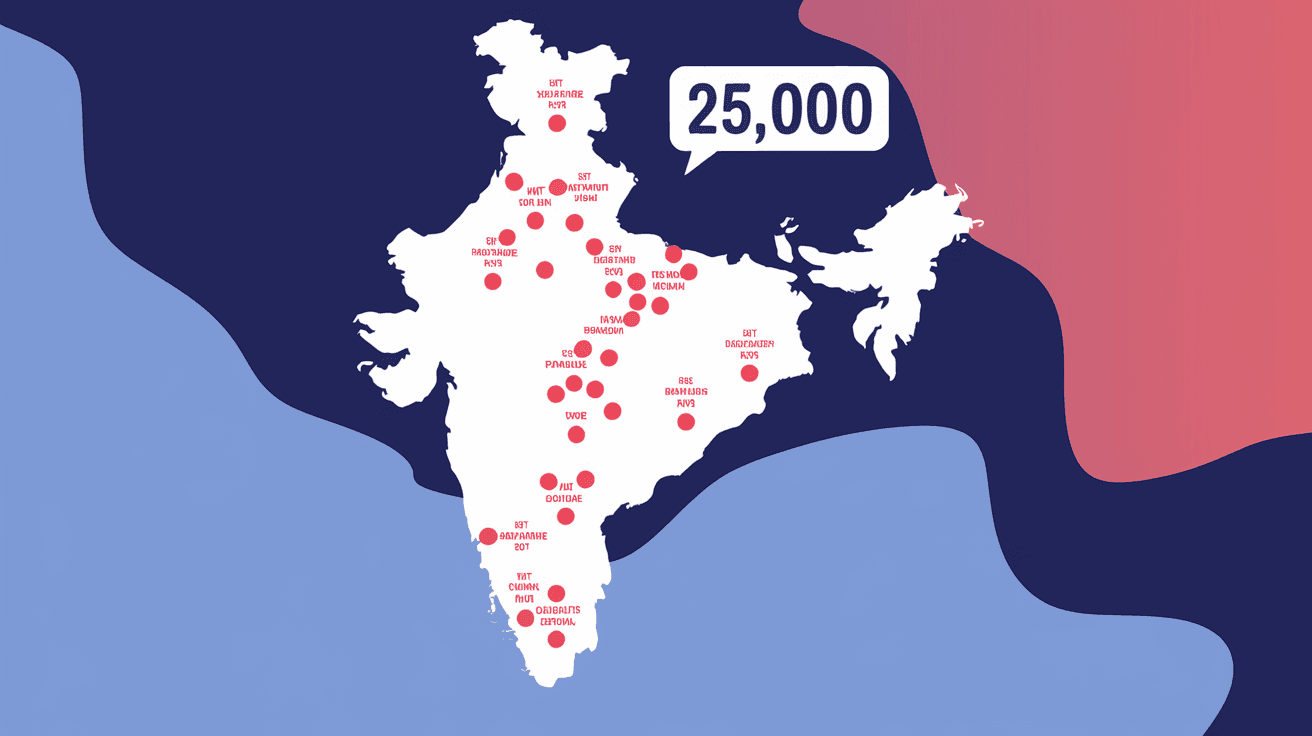
There are approximately 25,000 government hospitals across India, including primary health centers, community health centers, and district hospitals.
Public hospitals are government-run and often provide free or low-cost care. Private hospitals are owned by individuals or companies and usually charge higher fees but may offer more advanced services.
Uttar Pradesh has the highest number of hospitals due to its large population, followed by Maharashtra and Tamil Nadu.
Rural India has fewer hospitals, mostly government-run, and often faces shortages in staff and equipment, leading to challenges in healthcare access.
You can use government health portals, online directories, health apps, or contact local health offices to find nearby hospitals based on your needs.