

How Many Homeless People Are There in India?
F
Discover verified facts, data, and insights about India’s states, culture, economy, education, and more — all in one place at FactBharat.
Search for a command to run...
Discover verified facts, data, and insights about India’s states, culture, economy, education, and more — all in one place at FactBharat.
No comments yet. Be the first to comment.
Moving to the USA from India is a dream for many. Whether you want to study, work, or live with family, the process can seem complex. But with the right information, you can plan your move confidently. I’ll guide you through the key steps and options...
Opening a college in India is a dream for many educators and entrepreneurs who want to contribute to the country’s education sector. If you are one of those who want to start a college, you need to understand the process clearly. It involves several ...
Opening a hospital in India is a significant and rewarding venture. If you’ve ever wondered how to start one, you’re in the right place. Whether you’re a healthcare professional, entrepreneur, or investor, understanding the process is crucial. You’ll...
Opening a medical store in India can be a rewarding business opportunity. You get to serve your community by providing essential medicines and healthcare products. If you are thinking about starting a medical store, you might wonder where to begin an...
Opening a restaurant in India can be an exciting and rewarding venture. Whether you dream of serving traditional Indian dishes or international cuisine, the process involves careful planning and understanding of local regulations. If you’re ready to ...
FactBharat | Insights About India
2558 posts
Discover verified facts, data, and insights about India’s states, culture, economy, education, and more — all in one place at FactBharat.
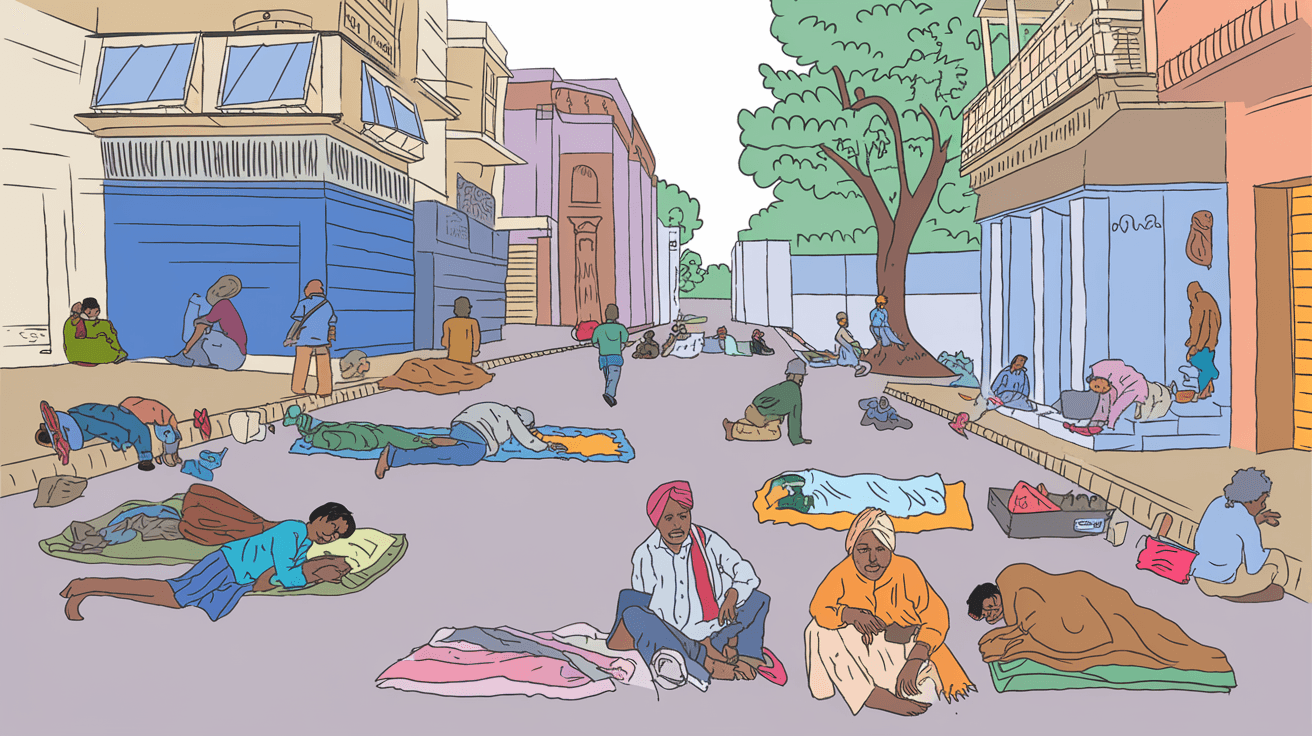
You might wonder how many homeless people live in India today. It’s a big question because homelessness affects millions, and understanding the numbers helps us see the scale of the problem. When we talk about homelessness, it’s not just about people without a roof but also those living in unsafe or temporary shelters.
We’ll explore the latest facts and figures about homelessness in India. You’ll learn about the causes, who is most affected, and what is being done to help. This article will give you a clear picture of this important social issue.
India has one of the largest homeless populations in the world. According to recent government data and independent studies, the number of homeless people in India is estimated to be around 1.77 million. This figure comes from the Census of India and other surveys conducted by NGOs and research organizations.
However, this number might be higher because many homeless people are not counted. They live in hidden places or move frequently, making it hard to track them. Some experts believe the actual number could be closer to 3 million or more.
Homelessness in India affects different groups of people. It includes men, women, children, elderly, and families. Many homeless people are daily wage workers, migrants, or people who lost their homes due to disasters or poverty.
Understanding why people become homeless helps us find solutions. In India, homelessness happens due to many reasons, often linked to poverty and social issues.
Living without a home is tough. Homeless people face many daily struggles that affect their health, safety, and dignity.
The Indian government has launched several programs to reduce homelessness and improve living conditions.
Non-governmental organizations play a vital role in helping homeless people. They provide shelter, food, healthcare, and education.
Reducing homelessness in India requires a combined effort from government, NGOs, and society. With rapid urban growth, the challenge is big but not impossible.
Now you have a clearer idea of how many homeless people live in India and the challenges they face. The number is large, and the problem is complex, but efforts are underway to make a difference. Understanding the causes and realities helps us see why homelessness continues and what can be done.
You can play a part by supporting initiatives or spreading awareness. Together, we can help create a future where everyone has a safe place to call home.
The official census estimates about 1.77 million homeless people, but experts believe the real number could be higher due to underreporting and hidden homelessness.
Poverty is the main cause, followed by unemployment, rural-urban migration, and lack of affordable housing.
Yes, programs like Pradhan Mantri Awas Yojana and urban night shelters aim to provide housing and support to the homeless.
NGOs provide shelter, food, healthcare, education, and skill training, and they advocate for better policies.
While challenging, reducing homelessness is possible with combined efforts in affordable housing, social support, and inclusive policies.