

How Many Highways Are There in India
F
Discover verified facts, data, and insights about India’s states, culture, economy, education, and more — all in one place at FactBharat.
Search for a command to run...
Discover verified facts, data, and insights about India’s states, culture, economy, education, and more — all in one place at FactBharat.
No comments yet. Be the first to comment.
Moving to the USA from India is a dream for many. Whether you want to study, work, or live with family, the process can seem complex. But with the right information, you can plan your move confidently. I’ll guide you through the key steps and options...
Opening a college in India is a dream for many educators and entrepreneurs who want to contribute to the country’s education sector. If you are one of those who want to start a college, you need to understand the process clearly. It involves several ...
Opening a hospital in India is a significant and rewarding venture. If you’ve ever wondered how to start one, you’re in the right place. Whether you’re a healthcare professional, entrepreneur, or investor, understanding the process is crucial. You’ll...
Opening a medical store in India can be a rewarding business opportunity. You get to serve your community by providing essential medicines and healthcare products. If you are thinking about starting a medical store, you might wonder where to begin an...
Opening a restaurant in India can be an exciting and rewarding venture. Whether you dream of serving traditional Indian dishes or international cuisine, the process involves careful planning and understanding of local regulations. If you’re ready to ...
FactBharat | Insights About India
2558 posts
Discover verified facts, data, and insights about India’s states, culture, economy, education, and more — all in one place at FactBharat.
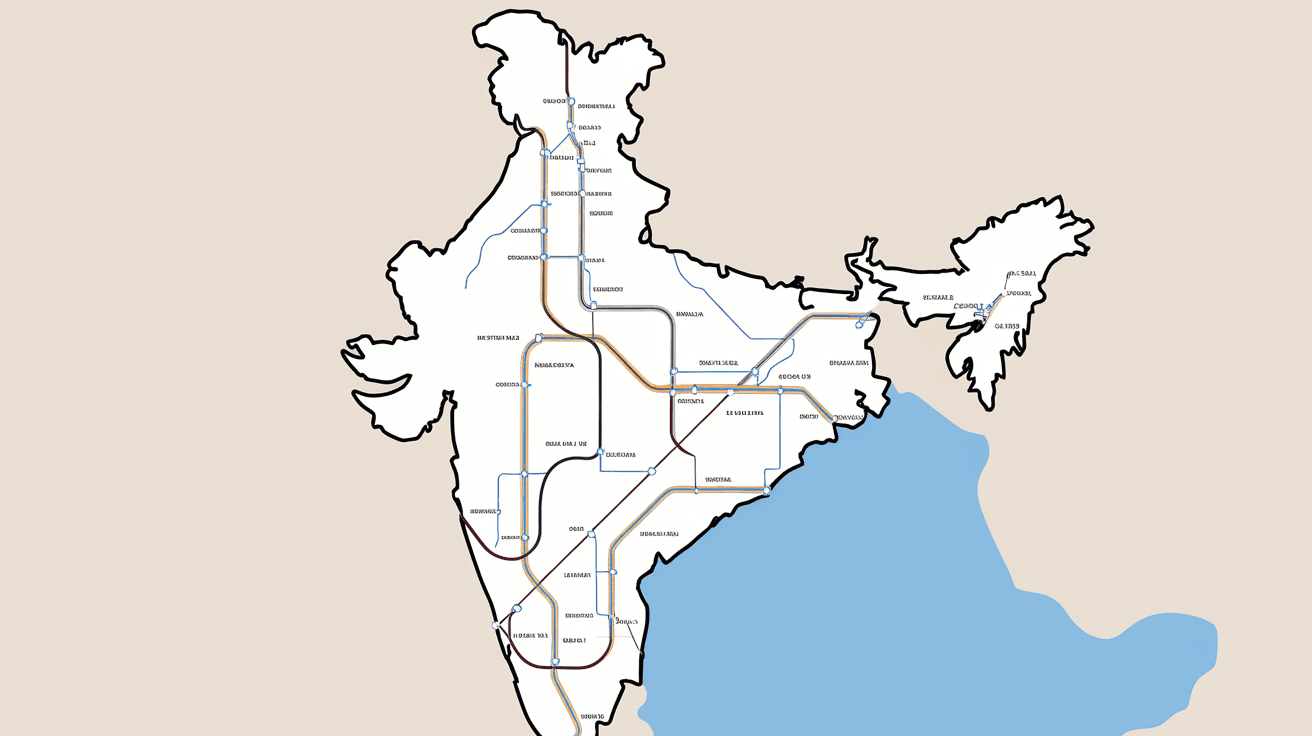
India's road network is one of the largest in the world, and highways play a crucial role in connecting cities, towns, and rural areas. If you've ever wondered how many highways there are in India, you're not alone. Understanding the scale and scope of India's highways helps you appreciate the country's infrastructure and how it supports economic growth and mobility.
In this article, we'll explore the total number of highways in India, including national and state highways. We'll also look at their significance, recent developments, and how these roads impact daily life. Whether you're a traveler, student, or just curious, this guide will give you a clear picture of India's highway network.
Highways in India are major roads that facilitate long-distance travel and transport. They are broadly classified into two main types:
Together, these highways form the backbone of India's road transport system.
India has a vast network of national highways. As of 2025, there are approximately 161,000 kilometers of national highways across the country. This network includes over 70,000 kilometers of newly constructed or upgraded roads in recent years.
Some key points about national highways:
These highways are vital for trade, tourism, and defense.
State highways form the secondary road network and are crucial for intra-state connectivity. India has over 200,000 kilometers of state highways spread across its 28 states and 8 union territories.
Key facts about state highways:
State highways are essential for daily commuting and regional development.
Highways are more than just roads; they are lifelines for the country's economy and society. Here's why they matter:
India has been investing heavily in expanding and upgrading its highways. Some recent trends include:
These projects are transforming India's road infrastructure and improving travel experiences.
Despite progress, India's highways face several challenges:
Addressing these challenges is crucial for sustainable highway development.
If you plan to travel on Indian highways, keep these safety tips in mind:
Safe driving helps reduce accidents and ensures a smooth journey.
Looking ahead, India's highway network is set to grow and modernize further:
These advancements will make highways safer, faster, and more efficient.
Now you know that India has over 161,000 kilometers of national highways and more than 200,000 kilometers of state highways. Together, they form a massive network that supports the country's economy, connectivity, and daily life. The government continues to invest in expanding and upgrading these roads, making travel easier and safer for everyone.
Understanding the scale and importance of India's highways helps you appreciate the efforts behind building such infrastructure. Whether you're driving across states or just curious about India's roads, this knowledge gives you a clearer picture of how highways shape the nation's progress.
India has around 161,000 kilometers of national highways, connecting major cities and regions across the country.
NH 44 is the longest, stretching over 3,700 kilometers from Srinagar to Kanyakumari.
There are over 200,000 kilometers of state highways managed by individual states.
The Ministry of Road Transport and Highways (MoRTH) is responsible for national highways.
Bharatmala is a government initiative to develop and upgrade over 83,000 kilometers of highways by 2025.