

How Many Gurukuls Are There in India?
F
Discover verified facts, data, and insights about India’s states, culture, economy, education, and more — all in one place at FactBharat.
Search for a command to run...
Discover verified facts, data, and insights about India’s states, culture, economy, education, and more — all in one place at FactBharat.
No comments yet. Be the first to comment.
Moving to the USA from India is a dream for many. Whether you want to study, work, or live with family, the process can seem complex. But with the right information, you can plan your move confidently. I’ll guide you through the key steps and options...
Opening a college in India is a dream for many educators and entrepreneurs who want to contribute to the country’s education sector. If you are one of those who want to start a college, you need to understand the process clearly. It involves several ...
Opening a hospital in India is a significant and rewarding venture. If you’ve ever wondered how to start one, you’re in the right place. Whether you’re a healthcare professional, entrepreneur, or investor, understanding the process is crucial. You’ll...
Opening a medical store in India can be a rewarding business opportunity. You get to serve your community by providing essential medicines and healthcare products. If you are thinking about starting a medical store, you might wonder where to begin an...
Opening a restaurant in India can be an exciting and rewarding venture. Whether you dream of serving traditional Indian dishes or international cuisine, the process involves careful planning and understanding of local regulations. If you’re ready to ...
FactBharat | Insights About India
2558 posts
Discover verified facts, data, and insights about India’s states, culture, economy, education, and more — all in one place at FactBharat.
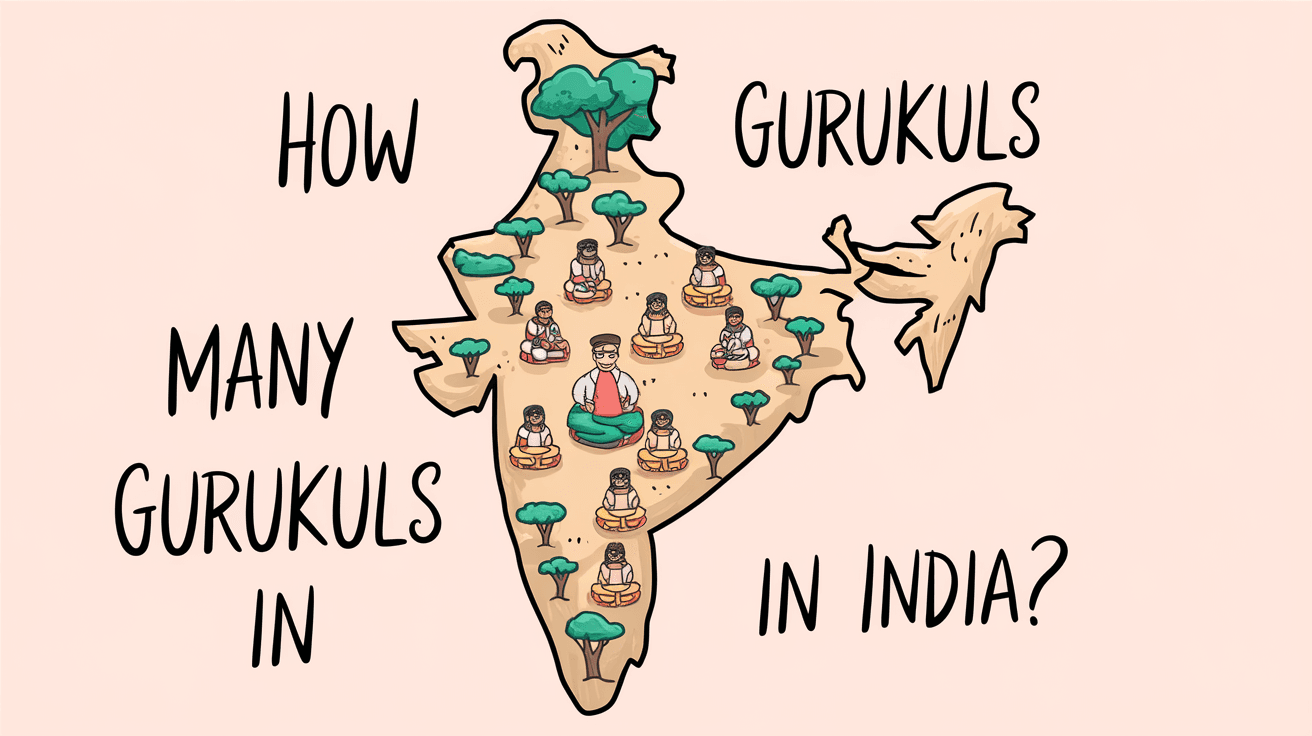
If you’ve ever wondered how many gurukuls are there in India, you’re not alone. Gurukuls are ancient Indian schools where students live with their teachers to learn not just academics but life skills and values. Today, these traditional schools still exist, blending old wisdom with modern education.
In this article, I’ll take you through the current landscape of gurukuls in India. You’ll learn about their numbers, where they are, and why they remain important. Whether you’re curious about education history or looking for alternative learning methods, this guide will give you clear answers.
Before diving into numbers, let’s understand what a gurukul really is. The word “gurukul” comes from two Sanskrit words: “guru” meaning teacher, and “kul” meaning family or home. So, a gurukul is a place where students live with their teacher as part of a family.
This system dates back thousands of years and was the main form of education in ancient India.
Estimating the exact number of gurukuls in India is challenging because many operate informally or in rural areas without official registration. However, recent surveys and reports provide some insights:
These numbers reflect a revival of interest in gurukul education, especially among families seeking value-based learning.
You might wonder why gurukuls continue to exist in a modern country like India. Here are some reasons:
This blend of tradition and practicality keeps gurukuls relevant today.
Gurukuls vary widely depending on their focus and management. Here are the main types you’ll find:
Gurukuls are spread across India but are more common in certain regions:
These states have strong cultural ties to the gurukul system, making them hubs for traditional education.
Understanding how gurukuls work helps explain their appeal:
This immersive environment creates a unique learning experience different from regular schools.
Despite their importance, gurukuls face several challenges:
Addressing these challenges is key to the future growth of gurukuls.
The Indian government recognizes the value of gurukuls and has taken steps to support them:
These initiatives help preserve the gurukul system while adapting it to modern needs.
If you want to visit or enroll in a gurukul, here are some tips:
Visiting a gurukul can give you firsthand experience of this unique education system.
Gurukuls are evolving to stay relevant in the 21st century:
This blend of tradition and innovation promises a bright future for gurukuls.
Now you know there are roughly 3,000 to 4,000 gurukuls in India, spread across various states and serving diverse communities. These schools continue to play a vital role in preserving India’s ancient knowledge and values. Whether traditional or modern, gurukuls offer a unique education that focuses on holistic development.
If you’re interested in alternative education or cultural heritage, exploring gurukuls can be rewarding. They remind us that learning is not just about books but about living with purpose, respect, and wisdom. As India moves forward, gurukuls will likely keep inspiring new generations with their timeless teachings.
There are approximately 3,000 to 4,000 active gurukuls across India, mostly in states like Uttar Pradesh, Madhya Pradesh, Rajasthan, Maharashtra, and Karnataka.
Gurukuls teach Vedas, Sanskrit, yoga, meditation, traditional arts, and sometimes modern subjects like science and math, depending on the gurukul type.
Some gurukuls are government-supported and recognized, especially those affiliated with Sanskrit education boards, while many operate informally without formal accreditation.
Yes, many gurukuls accept students from various backgrounds. Some focus on underprivileged children, while others welcome anyone interested in traditional education.
Gurukuls emphasize residential living with the teacher, holistic education including spiritual and practical skills, and a close teacher-student relationship, unlike typical classroom-based schools.