

How Many Frigates Does India Have
F
Discover verified facts, data, and insights about India’s states, culture, economy, education, and more — all in one place at FactBharat.
Search for a command to run...
Discover verified facts, data, and insights about India’s states, culture, economy, education, and more — all in one place at FactBharat.
No comments yet. Be the first to comment.
Moving to the USA from India is a dream for many. Whether you want to study, work, or live with family, the process can seem complex. But with the right information, you can plan your move confidently. I’ll guide you through the key steps and options...
Opening a college in India is a dream for many educators and entrepreneurs who want to contribute to the country’s education sector. If you are one of those who want to start a college, you need to understand the process clearly. It involves several ...
Opening a hospital in India is a significant and rewarding venture. If you’ve ever wondered how to start one, you’re in the right place. Whether you’re a healthcare professional, entrepreneur, or investor, understanding the process is crucial. You’ll...
Opening a medical store in India can be a rewarding business opportunity. You get to serve your community by providing essential medicines and healthcare products. If you are thinking about starting a medical store, you might wonder where to begin an...
Opening a restaurant in India can be an exciting and rewarding venture. Whether you dream of serving traditional Indian dishes or international cuisine, the process involves careful planning and understanding of local regulations. If you’re ready to ...
FactBharat | Insights About India
2558 posts
Discover verified facts, data, and insights about India’s states, culture, economy, education, and more — all in one place at FactBharat.
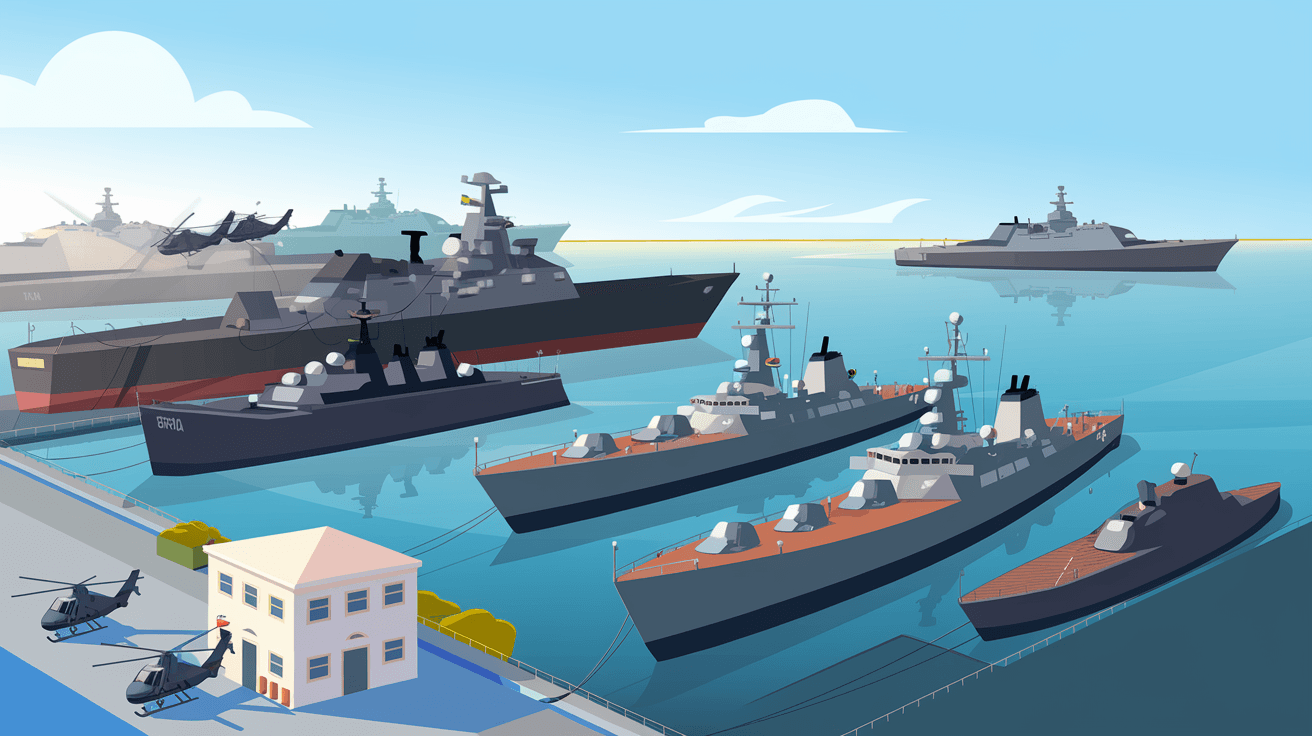
India’s naval strength is a key part of its defense strategy, especially in the Indian Ocean region. If you’re curious about how many frigates India has, you’re not alone. Frigates are vital warships that protect the country’s maritime interests, and India has been steadily expanding and modernizing its fleet.
In this article, I’ll walk you through the current number of frigates in the Indian Navy, the different classes they belong to, and what the future holds for India’s frigate fleet. Whether you’re a defense enthusiast or just interested in India’s naval power, this guide will give you a clear picture.
Frigates are medium-sized warships designed mainly for protecting other ships and conducting anti-submarine, anti-air, and surface warfare. They are versatile and can operate in various roles, including escorting larger vessels and patrolling sea lanes.
India’s coastline stretches over 7,500 kilometers, and the Indian Ocean is a busy trade route. Frigates help secure these waters from threats like piracy, smuggling, and potential military conflicts. They also play a role in humanitarian missions and disaster relief.
As of 2025, the Indian Navy operates around 15 to 17 frigates. This number includes both active ships and those undergoing upgrades or refits. The fleet is a mix of indigenously built and imported vessels, reflecting India’s growing shipbuilding capabilities.
Here’s a breakdown of the main classes of frigates currently in service:
The Indian Navy is actively phasing out older frigates like the Godavari-class and replacing them with newer, more advanced ships.
The Shivalik-class frigates are India’s first stealth warships, designed to reduce radar and infrared signatures. These ships are equipped with advanced weapons and sensors, making them highly capable in modern naval warfare.
These frigates represent a significant leap in India’s naval technology and are considered the backbone of the current fleet.
The Talwar-class frigates are based on the Russian Krivak III-class design. India has imported six of these ships, which have proven reliable and effective in various roles.
These ships are expected to remain in service for several more years, with some undergoing upgrades to extend their operational life.
The Brahmaputra-class frigates are fully designed and built in India. They are versatile ships capable of anti-submarine, anti-surface, and anti-air warfare.
These frigates highlight India’s growing self-reliance in naval shipbuilding.
The Nilgiri-class, also known as Project 17A, is the latest generation of stealth frigates being built in India. These ships are larger and more advanced than the Shivalik-class, incorporating cutting-edge technology.
As of now, several Nilgiri-class frigates have been commissioned, with the rest under construction. This class will form the core of India’s frigate fleet in the coming decades.
India is not just building new frigates but also upgrading older ones to keep them relevant. Modernization efforts include:
These upgrades extend the service life of existing ships and improve their combat effectiveness.
India’s shipbuilding industry has grown significantly, with major shipyards like Mazagon Dock Shipbuilders Limited (MDL) and Garden Reach Shipbuilders & Engineers (GRSE) leading the way. These yards build most of the country’s frigates, showcasing India’s push for self-reliance.
This domestic capability reduces dependence on foreign suppliers and boosts the local economy.
Frigates play a crucial role in India’s naval strategy, which focuses on protecting maritime trade routes, deterring adversaries, and maintaining regional stability. They are essential for:
India’s growing frigate fleet reflects its ambition to be a dominant naval power in the Indian Ocean region.
India plans to continue expanding its frigate fleet. The Project 17A ships will be followed by even more advanced vessels under Project 17B and other initiatives. The Navy is also exploring new technologies like:
These developments will ensure India’s frigate fleet remains modern and capable.
| Class | Number of Ships | Displacement (tons) | Key Features |
| Shivalik-class | 3 | ~6,200 | Stealth, multi-role, advanced weapons |
| Talwar-class | 6 | ~4,000 | Russian design, cruise missiles |
| Brahmaputra-class | 3 | ~3,600 | Indigenous design, versatile |
| Nilgiri-class | 7 (planned) | ~6,670 | Advanced stealth, automation |
Now you know that India currently operates around 15 to 17 frigates, with several more under construction. These ships are a mix of stealthy, indigenously built vessels and reliable imported designs. India’s focus on modernizing and expanding its frigate fleet shows its commitment to securing its maritime interests.
Frigates are vital for India’s naval power, helping protect trade routes and maintain regional peace. With ongoing projects like the Nilgiri-class and future plans for even more advanced ships, India’s frigate fleet is set to grow stronger in the years ahead.
India has about 15 to 17 frigates in active service, including Shivalik, Talwar, Brahmaputra, and some Nilgiri-class ships.
The Nilgiri-class (Project 17A) is the most advanced, featuring stealth technology and modern weapons systems.
Yes, most frigates like the Shivalik, Brahmaputra, and Nilgiri classes are built in Indian shipyards such as MDL and GRSE.
They conduct anti-submarine, anti-air, and surface warfare, escort larger ships, and participate in maritime security and humanitarian missions.
Yes, India plans to build more frigates under Project 17A and future projects, focusing on advanced technology and increased capabilities.