

How Many Freedom Fighters Died in India
F
Discover verified facts, data, and insights about India’s states, culture, economy, education, and more — all in one place at FactBharat.
Search for a command to run...
Discover verified facts, data, and insights about India’s states, culture, economy, education, and more — all in one place at FactBharat.
No comments yet. Be the first to comment.
Moving to the USA from India is a dream for many. Whether you want to study, work, or live with family, the process can seem complex. But with the right information, you can plan your move confidently. I’ll guide you through the key steps and options...
Opening a college in India is a dream for many educators and entrepreneurs who want to contribute to the country’s education sector. If you are one of those who want to start a college, you need to understand the process clearly. It involves several ...
Opening a hospital in India is a significant and rewarding venture. If you’ve ever wondered how to start one, you’re in the right place. Whether you’re a healthcare professional, entrepreneur, or investor, understanding the process is crucial. You’ll...
Opening a medical store in India can be a rewarding business opportunity. You get to serve your community by providing essential medicines and healthcare products. If you are thinking about starting a medical store, you might wonder where to begin an...
Opening a restaurant in India can be an exciting and rewarding venture. Whether you dream of serving traditional Indian dishes or international cuisine, the process involves careful planning and understanding of local regulations. If you’re ready to ...
FactBharat | Insights About India
2558 posts
Discover verified facts, data, and insights about India’s states, culture, economy, education, and more — all in one place at FactBharat.
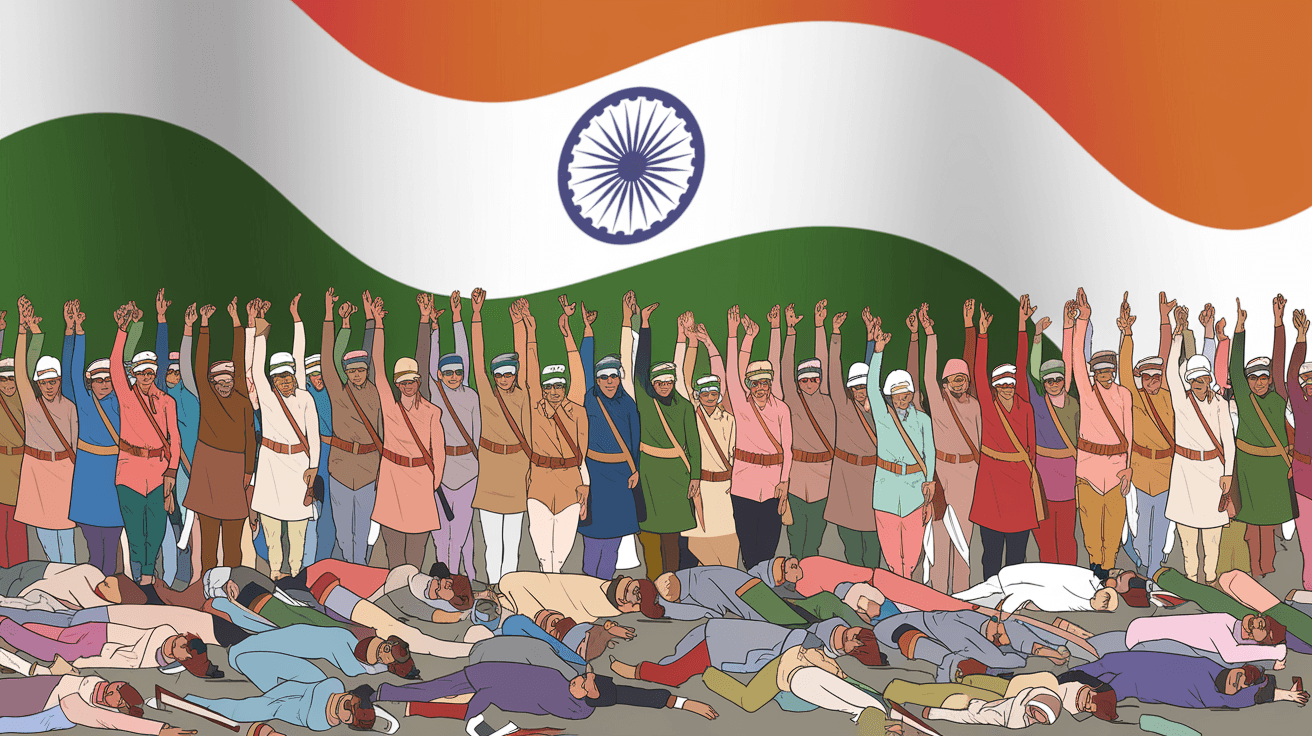
India's fight for independence was a long and painful journey. Many brave men and women stood up against colonial rule, risking their lives for the country's freedom. You might wonder, how many freedom fighters died in India during this struggle? Understanding their sacrifices helps us appreciate the price of freedom.
In this article, I will walk you through the estimated numbers, the different phases of the freedom movement, and the stories behind these sacrifices. Together, we will explore the impact of these heroes who gave their lives for India’s independence.
The Indian freedom struggle lasted nearly 90 years, from the late 19th century until 1947. It involved many phases, including peaceful protests, civil disobedience, and armed rebellions. Freedom fighters came from all walks of life, united by the goal of ending British rule.
Each phase witnessed sacrifices, including deaths, imprisonments, and hardships.
Determining the exact number of freedom fighters who died is challenging. Records from that time are incomplete, and many deaths went unreported. However, historians estimate that tens of thousands lost their lives during the struggle.
These numbers include both well-known leaders and countless unnamed heroes.
The 1857 Sepoy Mutiny was the first large-scale rebellion against British rule. It involved soldiers, peasants, and local rulers.
One of the darkest moments in Indian history, this massacre shocked the nation.
Led by Gandhi, these movements encouraged Indians to boycott British goods and institutions.
This was a mass protest demanding an immediate end to British rule.
Many freedom fighters became legends because of their courage and sacrifice. Here are a few:
Their stories inspire millions and remind us of the cost of freedom.
While famous leaders are remembered, many ordinary people also sacrificed their lives.
Recognizing these unsung heroes is important to honor the full scope of the freedom struggle.
The sacrifices of freedom fighters created a powerful wave of nationalism.
Without these sacrifices, India’s freedom might have taken much longer.
India honors its freedom fighters in many ways:
These acts keep their memories alive and educate new generations.
The number of freedom fighters who died in India is estimated to be in the tens of thousands. Their sacrifices spanned decades and shaped the nation’s destiny. From the 1857 revolt to the Quit India Movement, countless brave souls gave their lives for freedom.
Remembering these heroes helps us value the independence we enjoy today. Their courage and sacrifice continue to inspire us to build a better India.
Over 100,000 people, including soldiers and civilians, died during the 1857 revolt due to battles and British reprisals.
Bhagat Singh was a revolutionary freedom fighter executed by the British in 1931 for his role in anti-colonial activities.
British troops fired on a peaceful crowd in 1919, killing around 379 people and injuring hundreds, sparking outrage across India.
Yes, women like Rani Lakshmibai died fighting in battles, and many others participated and sacrificed during protests and uprisings.
India honors them through national holidays, memorials, statues, museums, and educational programs to keep their legacy alive.