

How Many Families Are There in India
F
Discover verified facts, data, and insights about India’s states, culture, economy, education, and more — all in one place at FactBharat.
Search for a command to run...
Discover verified facts, data, and insights about India’s states, culture, economy, education, and more — all in one place at FactBharat.
No comments yet. Be the first to comment.
Moving to the USA from India is a dream for many. Whether you want to study, work, or live with family, the process can seem complex. But with the right information, you can plan your move confidently. I’ll guide you through the key steps and options...
Opening a college in India is a dream for many educators and entrepreneurs who want to contribute to the country’s education sector. If you are one of those who want to start a college, you need to understand the process clearly. It involves several ...
Opening a hospital in India is a significant and rewarding venture. If you’ve ever wondered how to start one, you’re in the right place. Whether you’re a healthcare professional, entrepreneur, or investor, understanding the process is crucial. You’ll...
Opening a medical store in India can be a rewarding business opportunity. You get to serve your community by providing essential medicines and healthcare products. If you are thinking about starting a medical store, you might wonder where to begin an...
Opening a restaurant in India can be an exciting and rewarding venture. Whether you dream of serving traditional Indian dishes or international cuisine, the process involves careful planning and understanding of local regulations. If you’re ready to ...
FactBharat | Insights About India
2558 posts
Discover verified facts, data, and insights about India’s states, culture, economy, education, and more — all in one place at FactBharat.
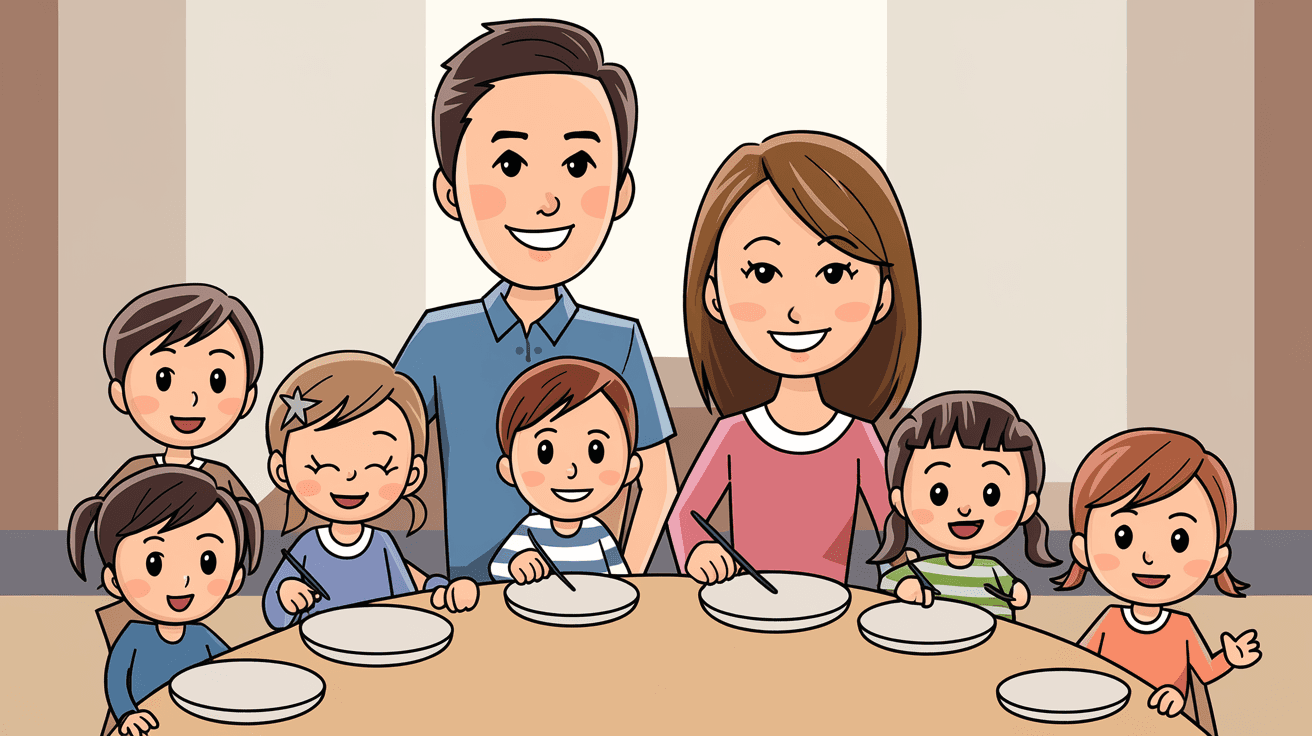
If you’ve ever wondered how many families there are in India, you’re not alone. India is home to a vast and diverse population, and understanding the number of families helps us grasp the social and economic fabric of the country. Whether you’re curious about demographics, planning research, or just want to know more about Indian households, this article will guide you through the latest facts and figures.
We’ll explore the total number of families, the types of family structures common in India, and how these numbers reflect the country’s growth and diversity. By the end, you’ll have a clear picture of Indian families today.
India’s population is over 1.4 billion, making it the most populous country in the world. But how does this translate into families? According to the latest census and government data, India has approximately 300 million families.
This number is based on the average household size and the total population. The average family size in India is about 4.5 members per household. Using this average, the calculation goes like this:
This figure may vary slightly depending on the source and the year of the data, but it gives a solid estimate of the scale.
India’s families are diverse, shaped by culture, religion, and social norms. Understanding the types of families helps explain the variety within the total number.
Nuclear families consist of parents and their children living together. This type is becoming more common, especially in urban areas.
Joint families include multiple generations living under one roof. This traditional setup is still prevalent in rural areas and some urban communities.
Though less common, single-parent families are increasing due to divorce, separation, or widowhood.
India’s size and diversity mean family numbers and types vary widely by region.
The number and type of families in India affect many aspects of life.
Several trends are influencing how families in India are evolving.
Understanding how the number of families is counted helps appreciate the accuracy of the data.
Counting families in a country as large and diverse as India is complex.
Despite these challenges, India’s statistical agencies work hard to provide reliable data.
Understanding how many families there are in India is important for many reasons.
Governments, businesses, and researchers all rely on this data to make informed decisions.
Now you know that India has roughly 300 million families, ranging from traditional joint families to modern nuclear ones. These families reflect the country’s rich cultural diversity and ongoing social changes. The number and types of families influence everything from the economy to social policies.
As India continues to grow and urbanize, family structures will keep evolving. Keeping track of these changes helps us understand the country better and plan for a future that supports all kinds of families.
India has approximately 300 million families, based on the latest population and household size data.
The average family size in India is about 4.5 members per household.
Joint families are traditional and common, especially in rural areas, but nuclear families are increasing in urban regions.
Urbanization leads to more nuclear families due to space constraints and lifestyle changes.
Family data is primarily updated every 10 years through the national census, with additional surveys in between.