

How Many Factories in India
F
Discover verified facts, data, and insights about India’s states, culture, economy, education, and more — all in one place at FactBharat.
Search for a command to run...
Discover verified facts, data, and insights about India’s states, culture, economy, education, and more — all in one place at FactBharat.
No comments yet. Be the first to comment.
Moving to the USA from India is a dream for many. Whether you want to study, work, or live with family, the process can seem complex. But with the right information, you can plan your move confidently. I’ll guide you through the key steps and options...
Opening a college in India is a dream for many educators and entrepreneurs who want to contribute to the country’s education sector. If you are one of those who want to start a college, you need to understand the process clearly. It involves several ...
Opening a hospital in India is a significant and rewarding venture. If you’ve ever wondered how to start one, you’re in the right place. Whether you’re a healthcare professional, entrepreneur, or investor, understanding the process is crucial. You’ll...
Opening a medical store in India can be a rewarding business opportunity. You get to serve your community by providing essential medicines and healthcare products. If you are thinking about starting a medical store, you might wonder where to begin an...
Opening a restaurant in India can be an exciting and rewarding venture. Whether you dream of serving traditional Indian dishes or international cuisine, the process involves careful planning and understanding of local regulations. If you’re ready to ...
FactBharat | Insights About India
2558 posts
Discover verified facts, data, and insights about India’s states, culture, economy, education, and more — all in one place at FactBharat.
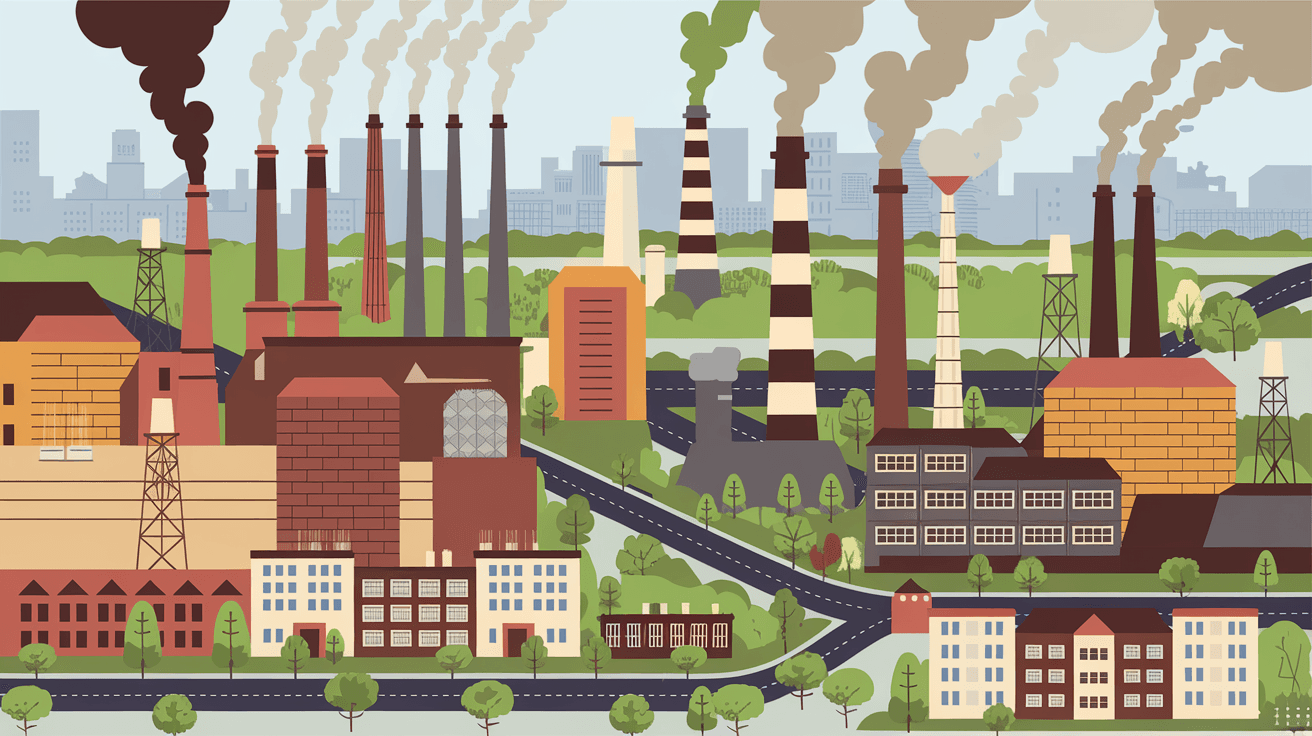
If you’ve ever wondered how many factories there are in India, you’re not alone. India’s industrial landscape is vast and diverse, playing a crucial role in the country’s economy. Understanding the number of factories helps us grasp the scale of manufacturing and industrial growth in India.
In this article, I’ll walk you through the latest figures, where these factories are located, and what sectors they cover. You’ll also learn how these factories contribute to employment and economic development. Let’s dive in and explore the industrial heartbeat of India.
India has a large and growing manufacturing sector. According to recent government data, there are approximately 2.5 million registered factories across the country. These factories range from small-scale units to large industrial plants.
Here’s what you need to know about these factories:
The number of factories reflects India’s push towards industrialization and “Make in India” initiatives. This growth supports millions of jobs and contributes significantly to the GDP.
Factories in India are not evenly spread. Some states have a higher concentration due to better infrastructure, skilled labor, and government policies. Here’s a breakdown of the top states by factory count:
These states benefit from good connectivity, ports, and industrial policies that attract investment.
Factories in India vary widely based on size and industry. Here’s a look at the main types:
This diversity allows India to cater to both domestic demand and export markets.
Factories are the backbone of India’s industrial economy. They contribute about 25% of the country’s GDP and employ millions of people. Here’s how factories impact the economy:
The government supports factories through schemes like the Production Linked Incentive (PLI) to boost manufacturing.
Despite growth, factories in India face several challenges:
Addressing these challenges is key to sustaining factory growth and competitiveness.
The Indian government has launched multiple initiatives to support factories and manufacturing:
These programs aim to increase the number of factories and improve their output quality.
The future looks promising for factories in India. Experts predict:
With ongoing reforms and investments, India’s factory count and productivity are expected to rise steadily.
Now you know that India has around 2.5 million factories spread across various states and industries. These factories are vital for employment, exports, and economic growth. While challenges exist, government support and technological advances are helping factories thrive.
Understanding the scale and diversity of factories in India gives you a clearer picture of the country’s industrial strength. Whether you’re a student, investor, or just curious, this knowledge highlights how manufacturing shapes India’s present and future.
India has approximately 2.5 million registered factories, ranging from small-scale units to large industrial plants across various sectors.
Maharashtra leads with over 400,000 factories, followed by Tamil Nadu, Gujarat, and Uttar Pradesh.
India has small, medium, and large-scale factories, with industries like textiles, automotive, chemicals, and electronics.
Factories contribute about 25% of India’s GDP and provide employment to over 50 million people.
Key initiatives include Make in India, the Production Linked Incentive (PLI) scheme, Industrial Corridors, and Skill India programs.