

How Many Elephants Are There in India
F
Discover verified facts, data, and insights about India’s states, culture, economy, education, and more — all in one place at FactBharat.
Search for a command to run...
Discover verified facts, data, and insights about India’s states, culture, economy, education, and more — all in one place at FactBharat.
No comments yet. Be the first to comment.
Moving to the USA from India is a dream for many. Whether you want to study, work, or live with family, the process can seem complex. But with the right information, you can plan your move confidently. I’ll guide you through the key steps and options...
Opening a college in India is a dream for many educators and entrepreneurs who want to contribute to the country’s education sector. If you are one of those who want to start a college, you need to understand the process clearly. It involves several ...
Opening a hospital in India is a significant and rewarding venture. If you’ve ever wondered how to start one, you’re in the right place. Whether you’re a healthcare professional, entrepreneur, or investor, understanding the process is crucial. You’ll...
Opening a medical store in India can be a rewarding business opportunity. You get to serve your community by providing essential medicines and healthcare products. If you are thinking about starting a medical store, you might wonder where to begin an...
Opening a restaurant in India can be an exciting and rewarding venture. Whether you dream of serving traditional Indian dishes or international cuisine, the process involves careful planning and understanding of local regulations. If you’re ready to ...
FactBharat | Insights About India
2558 posts
Discover verified facts, data, and insights about India’s states, culture, economy, education, and more — all in one place at FactBharat.
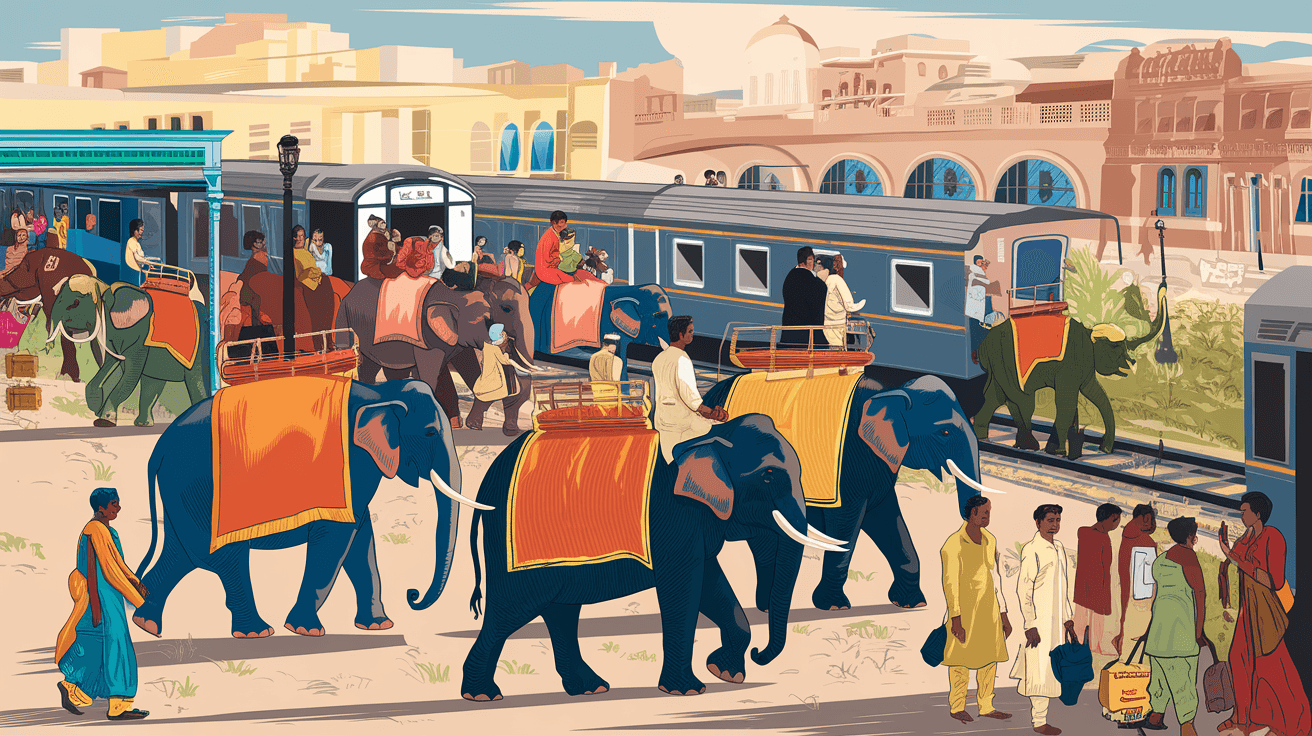
If you’ve ever wondered how many elephants live in India, you’re not alone. India is home to one of the largest populations of Asian elephants in the world. These majestic creatures play a vital role in the country’s forests and culture. Understanding their numbers helps us appreciate their importance and the efforts needed to protect them.
In this article, I’ll share the latest information about the elephant population in India. We’ll explore where they live, how many there are, and what challenges they face. By the end, you’ll have a clear picture of India’s elephants and why their conservation matters.
India is known to have the largest population of Asian elephants globally. According to the most recent estimates, the country hosts around 27,000 to 30,000 wild elephants. This number comes from the All India Elephant Census, which is conducted every few years to monitor their population and distribution.
This population size reflects a positive trend compared to past decades when elephant numbers were declining due to habitat loss and poaching.
Elephants in India are spread across various forested regions. Their habitats include dense forests, grasslands, and hilly areas. The main states where elephants are found include:
Elephants need large territories to roam, feed, and breed. The availability of water and food sources strongly influences their distribution.
Counting elephants is a challenging task because they roam over large areas and live in dense forests. India uses a scientific method called the All India Elephant Census to estimate their numbers.
This combination of methods helps provide a reliable estimate of the elephant population.
India has taken several steps to protect its elephant population. These efforts focus on habitat preservation, reducing human-elephant conflicts, and preventing poaching.
These efforts have contributed to stabilizing and increasing the elephant population in recent years.
Despite conservation successes, elephants in India face several serious threats. These challenges affect their survival and well-being.
Addressing these challenges requires coordinated efforts between government, local communities, and conservation groups.
Local people living near elephant habitats play a crucial role in conservation. Their cooperation helps reduce conflicts and protect elephants.
When communities benefit from elephant conservation, they become active partners in protecting these animals.
Elephants are not just important ecologically but also culturally. Here are some fascinating facts:
These facts show why elephants are treasured in India.
If you care about elephants, there are ways you can contribute to their protection:
Every small action counts toward ensuring a safe future for India’s elephants.
India’s elephant population is one of the largest and most important in the world. With around 27,000 to 30,000 elephants living across various states, these animals are vital to the country’s forests and culture. Thanks to conservation efforts like Project Elephant and protected reserves, their numbers have stabilized and even grown in some areas.
However, elephants still face threats from habitat loss, human conflict, and poaching. Protecting them requires ongoing efforts from the government, local communities, and individuals like you. By understanding how many elephants there are and the challenges they face, you can appreciate their value and support their conservation. Together, we can help ensure that India’s elephants continue to thrive for generations to come.
India has approximately 27,000 to 30,000 wild elephants, making it home to the largest Asian elephant population in the world.
Kerala, Karnataka, Tamil Nadu, Assam, and West Bengal are among the states with the highest numbers of elephants.
Project Elephant is a government initiative started in 1992 to protect elephants and their habitats through conservation, research, and conflict mitigation.
Elephants help maintain forests by dispersing seeds, creating clearings, and supporting biodiversity, making them a keystone species.
Conflicts arise mainly due to habitat loss and crop raiding, as expanding human settlements overlap with elephant habitats.