

How Many Elephant Reserves Are There in India
F
Discover verified facts, data, and insights about India’s states, culture, economy, education, and more — all in one place at FactBharat.
Search for a command to run...
Discover verified facts, data, and insights about India’s states, culture, economy, education, and more — all in one place at FactBharat.
No comments yet. Be the first to comment.
Moving to the USA from India is a dream for many. Whether you want to study, work, or live with family, the process can seem complex. But with the right information, you can plan your move confidently. I’ll guide you through the key steps and options...
Opening a college in India is a dream for many educators and entrepreneurs who want to contribute to the country’s education sector. If you are one of those who want to start a college, you need to understand the process clearly. It involves several ...
Opening a hospital in India is a significant and rewarding venture. If you’ve ever wondered how to start one, you’re in the right place. Whether you’re a healthcare professional, entrepreneur, or investor, understanding the process is crucial. You’ll...
Opening a medical store in India can be a rewarding business opportunity. You get to serve your community by providing essential medicines and healthcare products. If you are thinking about starting a medical store, you might wonder where to begin an...
Opening a restaurant in India can be an exciting and rewarding venture. Whether you dream of serving traditional Indian dishes or international cuisine, the process involves careful planning and understanding of local regulations. If you’re ready to ...
FactBharat | Insights About India
2558 posts
Discover verified facts, data, and insights about India’s states, culture, economy, education, and more — all in one place at FactBharat.
Elephants are one of the most majestic creatures in India, symbolizing strength and wisdom. If you’ve ever wondered how many elephant reserves India has, you’re not alone. These reserves play a crucial role in protecting the Asian elephant, which is an endangered species. Understanding the number and locations of these reserves helps us appreciate the efforts made to conserve these gentle giants.
In this article, I’ll take you through the current number of elephant reserves in India, where they are located, and why they matter. You’ll also learn about the challenges these reserves face and what is being done to ensure elephants continue to thrive in their natural habitats.
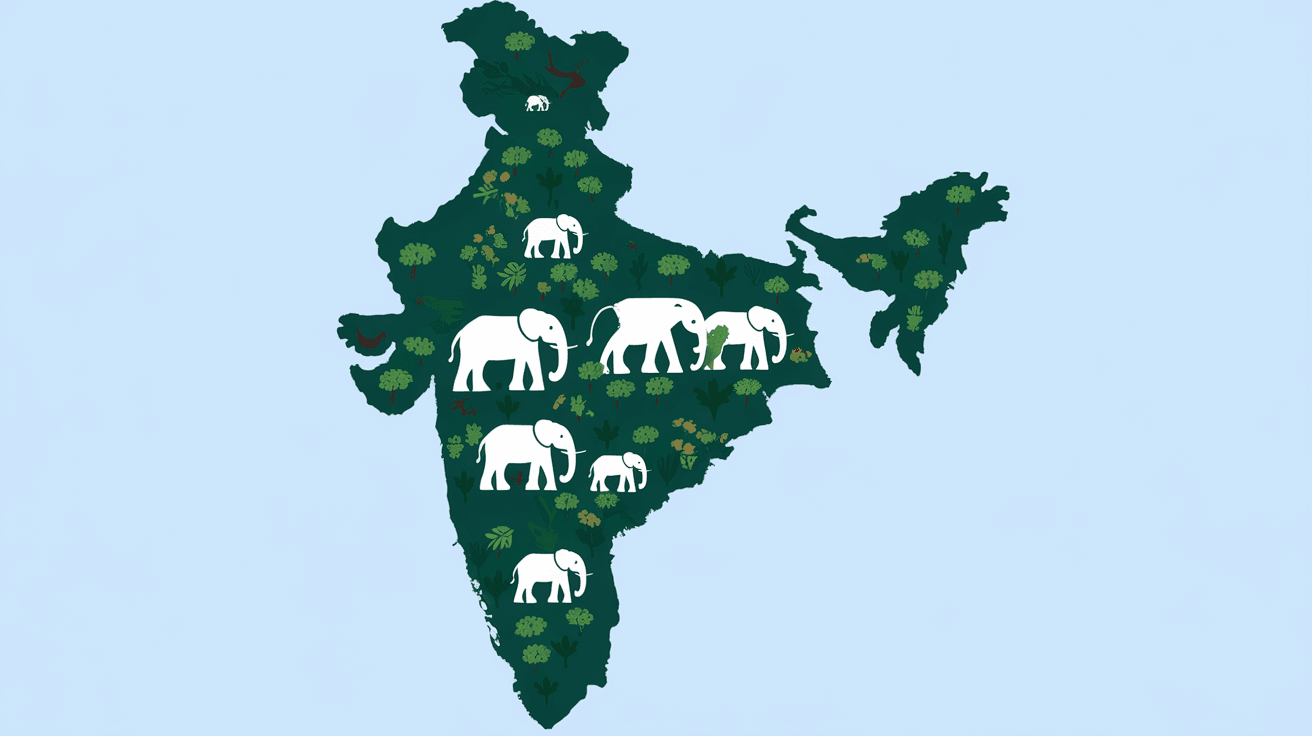
India currently has 32 officially notified elephant reserves spread across various states. These reserves are specially designated areas aimed at conserving the Asian elephant and its habitat. The government, along with wildlife organizations, manages these reserves to reduce human-elephant conflicts and promote biodiversity.
The concept of elephant reserves was introduced under Project Elephant, launched by the Indian government in 1992. The project focuses on protecting elephants, their habitats, and migration corridors. Since then, the number of reserves has steadily increased to cover important elephant habitats across the country.
Elephant reserves are distributed mainly in the following regions:
This regional spread ensures that elephant habitats are protected across different ecosystems, from tropical forests to grasslands.
Elephant reserves are protected areas specifically created to conserve elephants and their habitats. These reserves often include national parks, wildlife sanctuaries, and reserved forests. They serve several important functions:
Elephant reserves are managed by state forest departments with support from the central government. They often involve local communities to promote coexistence and sustainable development.
Here are some of the most well-known elephant reserves in India:
| Elephant Reserve | Location | Notable Features |
| Nilgiri Elephant Reserve | Tamil Nadu, Kerala, Karnataka | Part of the Nilgiri Biosphere Reserve; home to large elephant herds |
| Kaziranga Elephant Reserve | Assam | Overlaps with Kaziranga National Park; famous for wildlife diversity |
| Buxa Elephant Reserve | West Bengal | Located in the Buxa Tiger Reserve; important for elephant migration |
| Dudhwa Elephant Reserve | Uttar Pradesh | Includes Dudhwa National Park; critical for elephant conservation in the north |
| Periyar Elephant Reserve | Kerala | Known for Periyar Wildlife Sanctuary; a popular eco-tourism spot |
These reserves are vital for maintaining healthy elephant populations and supporting other species in the ecosystem.
Despite their importance, elephant reserves face several challenges:
These challenges require coordinated efforts from government, NGOs, and local communities to address.
Project Elephant is the flagship program of the Indian government for elephant conservation. It supports the management of elephant reserves and promotes research and education. The project also provides financial assistance to states for habitat improvement and conflict mitigation.
Some key objectives of Project Elephant include:
Since its inception, Project Elephant has helped increase the number of elephant reserves and improved the overall conservation status of elephants in India.
You might wonder how you can contribute to elephant conservation. Here are some simple ways:
Every small action counts when it comes to saving these magnificent animals.
India is home to 32 officially recognized elephant reserves, spread across different regions to protect the Asian elephant and its habitat. These reserves are crucial for conserving elephant populations, maintaining biodiversity, and reducing conflicts between humans and elephants. Despite facing challenges like habitat loss and poaching, ongoing efforts through Project Elephant and other initiatives are making a positive impact.
By understanding the number and significance of elephant reserves, you can appreciate the scale of conservation work in India. Whether you visit these reserves or support conservation efforts, your involvement helps ensure that elephants continue to roam freely in the wild for generations to come.
India has 32 officially notified elephant reserves across various states, established to protect the Asian elephant and its habitat.
Assam and Karnataka are among the states with the highest number of elephant reserves due to their large forested areas and elephant populations.
Elephant reserves protect elephant habitats, maintain migration corridors, reduce human-elephant conflicts, and support research and conservation efforts.
Elephant reserves often include national parks and wildlife sanctuaries but are specifically designated for elephant conservation and may cover larger areas.
Project Elephant provides funding, research, and policy support to manage elephant reserves, reduce conflicts, and promote habitat conservation across India.