

How Many Dogs Are Banned in India
F
Discover verified facts, data, and insights about India’s states, culture, economy, education, and more — all in one place at FactBharat.
Search for a command to run...
Discover verified facts, data, and insights about India’s states, culture, economy, education, and more — all in one place at FactBharat.
No comments yet. Be the first to comment.
Moving to the USA from India is a dream for many. Whether you want to study, work, or live with family, the process can seem complex. But with the right information, you can plan your move confidently. I’ll guide you through the key steps and options...
Opening a college in India is a dream for many educators and entrepreneurs who want to contribute to the country’s education sector. If you are one of those who want to start a college, you need to understand the process clearly. It involves several ...
Opening a hospital in India is a significant and rewarding venture. If you’ve ever wondered how to start one, you’re in the right place. Whether you’re a healthcare professional, entrepreneur, or investor, understanding the process is crucial. You’ll...
Opening a medical store in India can be a rewarding business opportunity. You get to serve your community by providing essential medicines and healthcare products. If you are thinking about starting a medical store, you might wonder where to begin an...
Opening a restaurant in India can be an exciting and rewarding venture. Whether you dream of serving traditional Indian dishes or international cuisine, the process involves careful planning and understanding of local regulations. If you’re ready to ...
FactBharat | Insights About India
2558 posts
Discover verified facts, data, and insights about India’s states, culture, economy, education, and more — all in one place at FactBharat.
If you’re thinking about getting a dog in India, you might wonder if certain breeds are banned. You’re not alone. Many people want to know how many dogs are banned in India and why some breeds face restrictions. Understanding these rules helps you make a safe and informed choice.
In this article, I’ll walk you through the list of banned dog breeds in India, the reasons behind these bans, and what you should consider before bringing a dog home. Let’s explore the facts so you can find the perfect furry friend without any surprises.
India has banned certain dog breeds mainly for public safety reasons. These breeds are often considered aggressive or dangerous due to their size, strength, or history of attacks. The government aims to reduce dog bite incidents and protect people, especially children.
Here are some reasons why dog breeds get banned:
Understanding these reasons helps you see why the government takes these steps seriously.
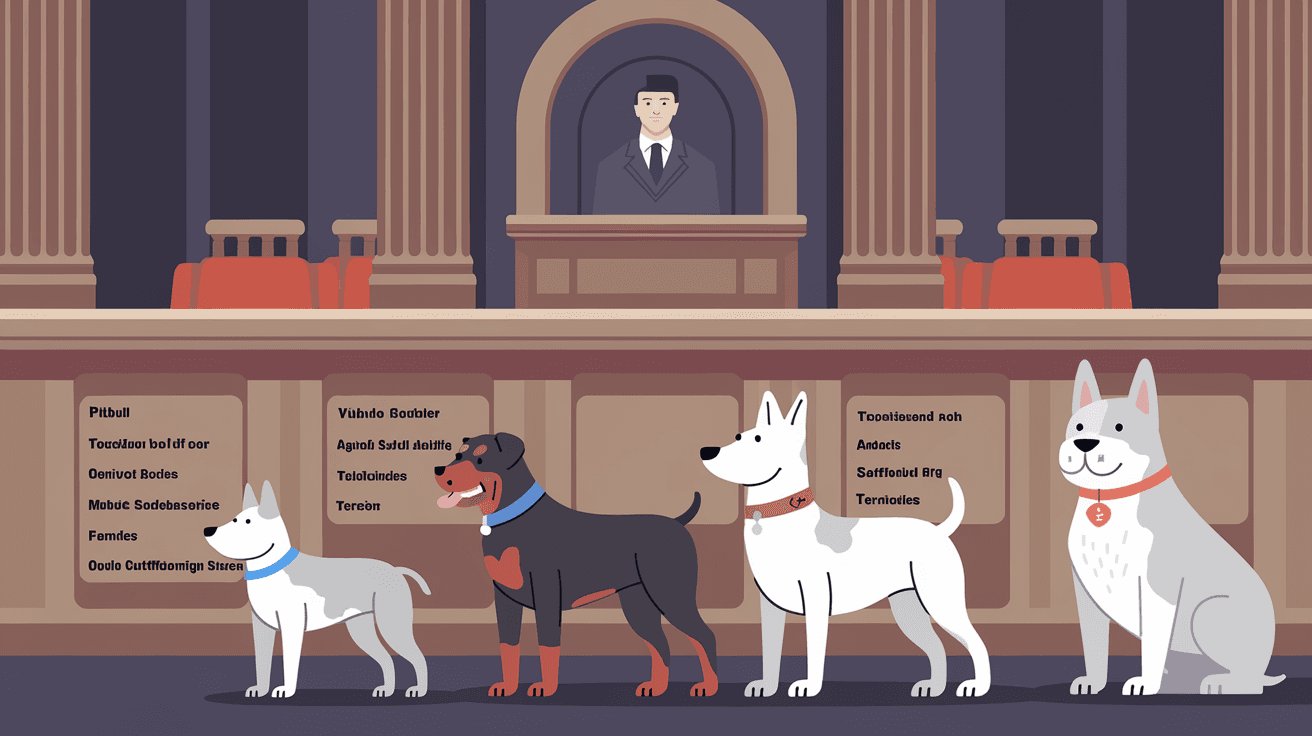
Currently, India bans four main dog breeds. These breeds are not allowed to be imported, sold, or kept as pets in many parts of the country. The list includes:
These breeds are often called "dangerous dogs" under Indian law. The ban is enforced by various state governments and municipal authorities.
The ban on these four breeds is mostly nationwide, but enforcement can vary by state or city. Some states have stricter rules, while others may allow ownership with conditions like muzzling or registration.
For example:
Always check local laws before adopting or buying a dog.
Besides the banned breeds, some states or cities restrict other dogs considered dangerous or aggressive. These restrictions are less formal but still important to know.
Commonly restricted breeds include:
These breeds are not banned but may require special permits, registration, or muzzling in public.
If you want to be sure about dog breed restrictions, here’s what you can do:
Doing this research helps you avoid legal trouble and ensures your dog is welcome in your community.
Owning a banned dog breed in India can lead to serious consequences. Authorities may:
In some cases, repeat offenses can lead to legal action. It’s best to avoid banned breeds or follow all regulations strictly if exceptions apply.
Despite the bans, some people keep these dogs because:
However, owning a banned breed comes with risks, including legal issues and public safety concerns.
If you want a dog but are worried about breed restrictions, consider these popular and safe alternatives:
These breeds are widely accepted and make excellent pets without legal hassles.
When picking a dog breed, keep these points in mind:
Choosing wisely helps you enjoy a happy and safe relationship with your dog.
Once you have your dog, follow these steps to stay compliant and safe:
Being a responsible dog owner benefits everyone.
Now you know that India bans four main dog breeds: Pit Bull Terrier, Japanese Tosa, Dogo Argentino, and Fila Brasileiro. These bans exist to protect public safety and reduce dog attacks. However, enforcement varies by region, so it’s important to check local laws before adopting.
If you want a dog, plenty of safe and friendly breeds are available that don’t face restrictions. By choosing wisely and following rules, you can enjoy a loving pet without worries. Remember, responsible ownership is key to a happy life with your dog.
India bans four dog breeds: Pit Bull Terrier, Japanese Tosa, Dogo Argentino, and Fila Brasileiro. These breeds are restricted due to safety concerns.
No, enforcement varies. Some states like Delhi and Mumbai are strict, while others may have lenient or unclear rules.
Yes, breeds like Rottweilers or German Shepherds may require permits or muzzles but are not banned outright.
Check local laws, consider breed temperament, and adopt from shelters if possible. Choose a breed that fits your lifestyle and legal requirements.
You risk fines, confiscation of the dog, and legal penalties. It’s best to avoid banned breeds or comply strictly with regulations.