

How Many Different Adivasi Groups Are There in India
F
Discover verified facts, data, and insights about India’s states, culture, economy, education, and more — all in one place at FactBharat.
Search for a command to run...
Discover verified facts, data, and insights about India’s states, culture, economy, education, and more — all in one place at FactBharat.
No comments yet. Be the first to comment.
Moving to the USA from India is a dream for many. Whether you want to study, work, or live with family, the process can seem complex. But with the right information, you can plan your move confidently. I’ll guide you through the key steps and options...
Opening a college in India is a dream for many educators and entrepreneurs who want to contribute to the country’s education sector. If you are one of those who want to start a college, you need to understand the process clearly. It involves several ...
Opening a hospital in India is a significant and rewarding venture. If you’ve ever wondered how to start one, you’re in the right place. Whether you’re a healthcare professional, entrepreneur, or investor, understanding the process is crucial. You’ll...
Opening a medical store in India can be a rewarding business opportunity. You get to serve your community by providing essential medicines and healthcare products. If you are thinking about starting a medical store, you might wonder where to begin an...
Opening a restaurant in India can be an exciting and rewarding venture. Whether you dream of serving traditional Indian dishes or international cuisine, the process involves careful planning and understanding of local regulations. If you’re ready to ...
FactBharat | Insights About India
2558 posts
Discover verified facts, data, and insights about India’s states, culture, economy, education, and more — all in one place at FactBharat.
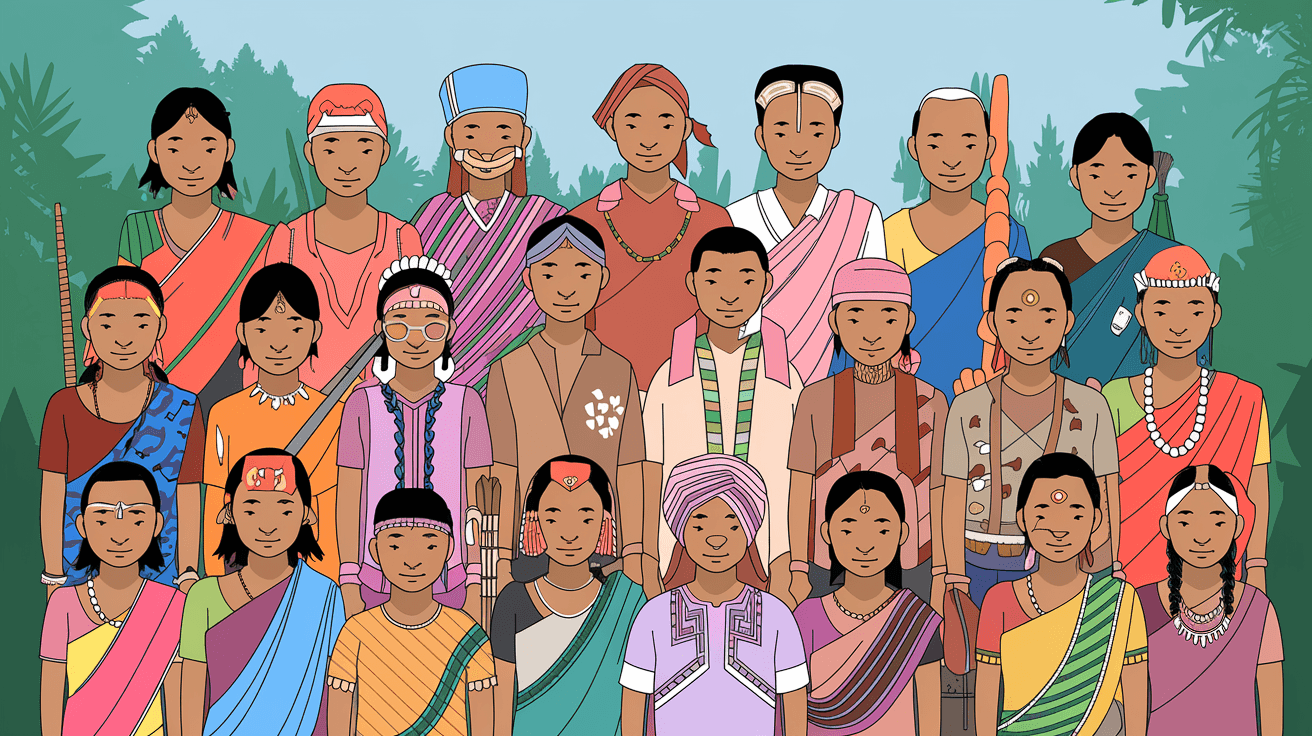
India is home to a rich tapestry of indigenous communities known as Adivasis. These groups have lived in the country for centuries, preserving unique cultures, languages, and traditions. If you’ve ever wondered how many different Adivasi groups exist in India, you’re not alone. Understanding their diversity helps us appreciate the country’s cultural heritage and the challenges these communities face today.
In this article, I’ll guide you through the number of Adivasi groups, their distribution, and what makes each group distinct. We’ll also explore how the government classifies these communities and why their recognition matters. By the end, you’ll have a clear picture of India’s indigenous diversity and why it’s essential to protect it.
Adivasis are the original inhabitants of India, often referred to as tribal or indigenous peoples. The word "Adivasi" means "original inhabitants" in Hindi. These groups have distinct social, cultural, and economic systems different from the mainstream population.
Understanding who Adivasis are is the first step to appreciating their diversity and the number of groups across India.
India officially recognizes over 700 Adivasi groups. This number comes from the government’s Scheduled Tribes list, which identifies communities eligible for certain benefits and protections.
This vast number reflects India’s incredible ethnic diversity. Each group has its own identity, making the Adivasi population a mosaic of cultures.
Adivasi groups are spread throughout India, but they are mostly concentrated in specific regions. These areas are often rich in forests and natural resources.
This regional spread shows how Adivasi groups have adapted to different environments and cultures.
While there are hundreds of groups, some are more prominent due to their population size or cultural influence. Here are a few major Adivasi groups:
Each group contributes uniquely to India’s cultural fabric.
The Indian government classifies Adivasi groups under the Scheduled Tribes category. This classification is crucial for their social and economic development.
However, some groups still struggle for official recognition, which affects their access to benefits.
Despite their rich heritage, many Adivasi groups face significant challenges:
Efforts are ongoing to address these issues, but much work remains.
Preserving the diversity of Adivasi groups is vital for several reasons:
You can support these communities by promoting awareness, respecting their rights, and encouraging inclusive policies.
If you want to explore further, here are some ways to learn about Adivasi groups:
Engaging with these communities respectfully helps preserve their heritage.
India’s Adivasi groups are incredibly diverse, with over 700 recognized tribes spread across the country. Each group has its own unique culture, language, and traditions that enrich India’s social fabric. Understanding their numbers and distribution helps us appreciate the complexity and beauty of India’s indigenous heritage.
While these communities face challenges like displacement and poverty, their preservation is crucial for cultural diversity and sustainable development. By learning more and supporting their rights, you can play a part in protecting India’s original inhabitants and their vibrant cultures.
India officially recognizes over 700 Adivasi groups under the Scheduled Tribes list, which grants them certain legal protections and benefits.
Most Adivasi groups are concentrated in central, northeastern, western, southern, and eastern India, often in forested or hilly regions.
Scheduled Tribes classification helps Adivasi groups access reservations in education, jobs, and political representation, aiding their social and economic development.
No, Adivasi groups speak a wide variety of languages and dialects, many of which are unique to their communities.
Common challenges include displacement due to development, poverty, loss of cultural identity, and limited political representation.