

How Many Days to Learn Car Driving in India
F
Discover verified facts, data, and insights about India’s states, culture, economy, education, and more — all in one place at FactBharat.
Search for a command to run...
Discover verified facts, data, and insights about India’s states, culture, economy, education, and more — all in one place at FactBharat.
No comments yet. Be the first to comment.
Moving to the USA from India is a dream for many. Whether you want to study, work, or live with family, the process can seem complex. But with the right information, you can plan your move confidently. I’ll guide you through the key steps and options...
Opening a college in India is a dream for many educators and entrepreneurs who want to contribute to the country’s education sector. If you are one of those who want to start a college, you need to understand the process clearly. It involves several ...
Opening a hospital in India is a significant and rewarding venture. If you’ve ever wondered how to start one, you’re in the right place. Whether you’re a healthcare professional, entrepreneur, or investor, understanding the process is crucial. You’ll...
Opening a medical store in India can be a rewarding business opportunity. You get to serve your community by providing essential medicines and healthcare products. If you are thinking about starting a medical store, you might wonder where to begin an...
Opening a restaurant in India can be an exciting and rewarding venture. Whether you dream of serving traditional Indian dishes or international cuisine, the process involves careful planning and understanding of local regulations. If you’re ready to ...
FactBharat | Insights About India
2558 posts
Discover verified facts, data, and insights about India’s states, culture, economy, education, and more — all in one place at FactBharat.
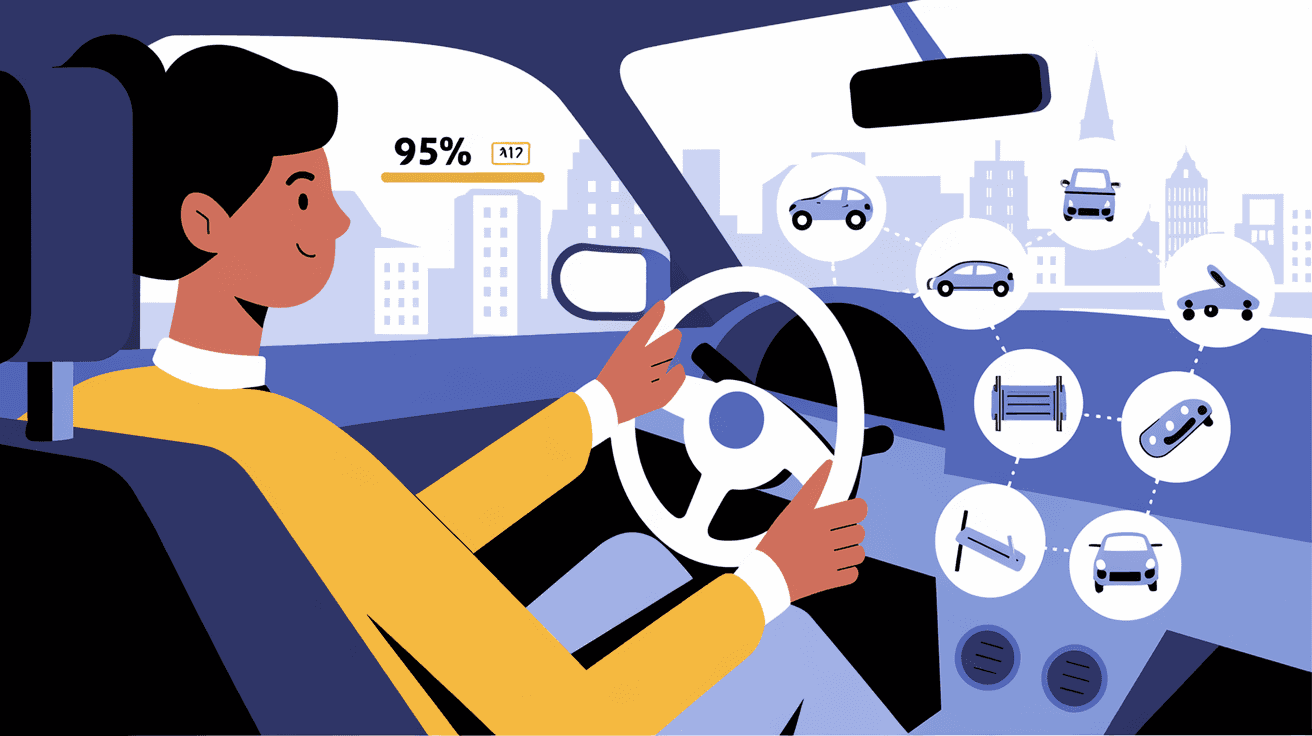
Learning to drive a car in India is an exciting step toward independence. You might be wondering how many days it takes to learn car driving here. The answer depends on several factors like your practice time, learning method, and comfort behind the wheel. Whether you want to drive for daily commuting or just for fun, knowing the timeline helps you plan better.
In this article, I’ll guide you through the typical duration to learn driving in India. I’ll also share tips on how to speed up your learning process and what to expect during your driving lessons. By the end, you’ll have a clear idea of how long it takes to become a confident driver on Indian roads.
The time to learn driving varies widely among learners. On average, most beginners take about 15 to 30 days to learn basic car driving skills in India. This estimate assumes you practice regularly and attend formal driving lessons.
Here’s what influences the learning duration:
| Learning Stage | Duration (Days) | Description |
| Basic Controls & Handling | 3 to 5 | Understanding pedals, steering, gears. |
| Practice in Open Areas | 5 to 7 | Driving in parking lots or empty roads. |
| City Traffic Practice | 7 to 10 | Handling real traffic situations. |
| Preparation for Test | 3 to 5 | Practicing test routes and maneuvers. |
If you practice for about 1 to 2 hours daily, you can expect to be ready for your driving test within a month.
Learning to drive isn’t just about clocking hours behind the wheel. Several factors can speed up or slow down your progress.
Regular practice is key. Driving once a week won’t help much. You should aim for at least 5 days a week, practicing for 1-2 hours each day. Quality matters too—focused practice on specific skills like parking or lane changing helps.
Manual transmission cars require learning clutch control and gear shifting, which can take extra days. Automatic cars are simpler, so you might learn faster if you start with one.
Learning in a calm, less crowded area helps build confidence. Busy city roads with heavy traffic can be intimidating and slow your progress. Many learners start in residential areas or empty parking lots.
A good driving instructor can make a big difference. Experienced instructors teach you safe driving habits and help you avoid common mistakes.
Some people are naturally more comfortable behind the wheel. If you feel nervous, it might take longer to get confident. Patience and positive mindset are important.
If you want to learn driving quickly, here are some tips that can help:
Driving schools play a crucial role in teaching car driving. They provide:
Most driving schools offer packages that last from 15 days to 1 month. These packages include theory classes, practical lessons, and mock tests.
After learning, you need to pass the driving test to get your license. The test usually includes:
You can take the test after completing your learner’s license period, which is usually 30 days. Passing the test means you are ready to drive independently.
The Indian Road Transport Department recommends a minimum of 20 to 25 hours of practical driving before taking the test. This includes:
This amount of practice helps you handle different driving situations confidently.
Learning to drive in India comes with unique challenges:
Being aware of these challenges helps you prepare mentally and stay alert.
Safety is the top priority when learning to drive. Here are some safety tips:
| Practice Hours per Day | Estimated Days to Learn | Notes |
| 1 hour | 25 to 30 | Slow but steady progress |
| 1.5 hours | 18 to 22 | Balanced learning pace |
| 2 hours or more | 15 to 20 | Faster learning with focus |
Learning to drive a car in India typically takes between 15 to 30 days, depending on your practice routine, vehicle type, and comfort level. Regular practice, preferably daily, combined with professional guidance from a driving school, can help you become a confident driver faster. Remember, patience and safety are key as you navigate through busy Indian roads.
By understanding the learning timeline and following the tips shared here, you can plan your driving lessons effectively. Soon, you’ll be ready to enjoy the freedom of driving your own car safely and confidently.
It usually takes about 15 to 30 days with regular practice and lessons. The exact time depends on your learning pace and practice frequency.
Yes, automatic cars are easier to learn because you don’t have to manage clutch and gear shifts, which can speed up the learning process.
At least 20 to 25 hours of practical driving is recommended, including practice in open areas and city traffic.
While not mandatory, joining a driving school helps you learn structured lessons and prepares you well for the driving test.
Heavy traffic, varied road conditions, diverse vehicles, and unpredictable drivers are common challenges learners face on Indian roads.